
Most people think about their drains exactly twice: when one stops working, and when the plumber leaves. In between, buildup grows quietly on the inside of every line in the house. The benefits of regular drain cleaning come from interrupting that cycle before it ends in a weekend backup, a ruined floor or a sewage smell that will not go away.
This article covers what scheduled cleaning actually prevents, how to tell whether your home needs it more often than average, and how to fit it into a simple yearly routine.
Why Drains Narrow Even When Nothing Seems Wrong
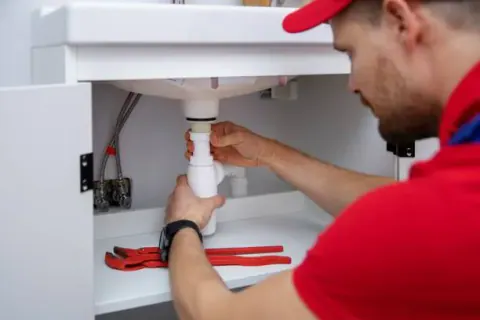
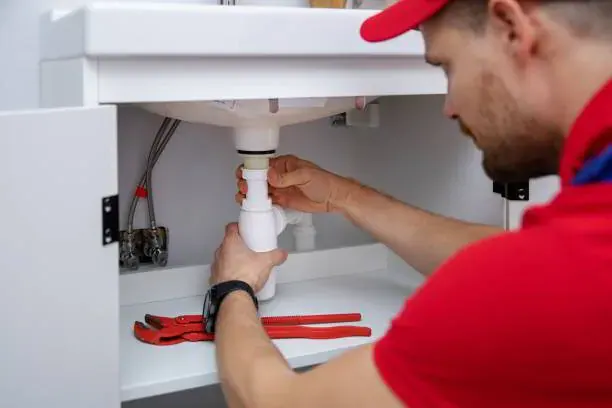
A drain rarely clogs all at once. Each day a thin film of soap, body oils, food fat and minerals clings to the pipe wall. In a home with hard water, as many homes in Manatee and Sarasota counties have, scale adds a rough texture that catches even more. Over months, the open diameter of the pipe shrinks until one ordinary event, such as a holiday meal or a houseful of guests, finishes the job.
By the time water stands in the sink, the line has often been narrowing for a long time. Regular cleaning resets the pipe before it reaches that point.
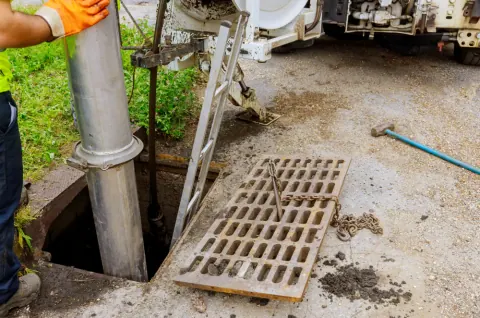
Main sewer lines follow the same pattern on a larger scale. Roots from mature landscaping can find small gaps at pipe joints, and every bit of debris that passes through snags on them. Cleaning the main line before it fully clogs keeps sewage in the pipe instead of in your tub.
Six Benefits of Keeping Drains on a Schedule
- Fewer emergency calls. A planned cleaning on a weekday is simpler and calmer than a backup at night or during a holiday when the house is full.
- Fresher kitchens and bathrooms. Many lingering drain odors come from decaying residue stuck to the pipe wall, not from the sewer itself. Removing the film removes the smell.
- Less stress on pipes and joints. Standing water and trapped debris hold moisture and waste against the pipe. Keeping lines clear reduces that constant contact.
- Early warning of bigger problems. A technician cleaning a main line can notice roots, sags or recurring trouble spots before they turn into a failure.
- Better performance from appliances. Dishwashers and washing machines drain faster and more reliably when the line they empty into is fully open.
- Protection for floors and cabinets. Slow leaks and overflows often start with a partially blocked drain. Fewer blockages means fewer chances for water damage.
How Often Should You Clean Your Drains?
There is no single interval that suits every home. Use these household profiles as a starting point, then adjust based on what you notice.
- Small household, light cooking: a professional main line cleaning is often only needed when symptoms appear, with simple at-home strainer care in between.
- Busy family with heavy kitchen use: kitchen and main lines tend to benefit from a scheduled cleaning on a regular cycle, because grease builds steadily.
- Vacation rental or seasonal home: cleaning before peak season makes sense, since guests often use drains differently than owners do.
- Older home with a history of root intrusion: a recurring main line cleaning, guided by camera findings, can keep the line open between larger repairs.
- Restaurant or multi-unit building: kitchen and shared lines usually need the most frequent attention; see our commercial plumbing page for that side.
Keep a simple note in your phone each time a drain runs slow or gets cleared. After a year you will see a pattern, and that pattern is the best guide to how often your home actually needs service.
What Professional Maintenance Cleaning Looks Like
Routine drain service is different from emergency unclogging. The goal is to clean the pipe wall, not just poke a hole through a blockage. Depending on the line, that may mean a properly sized cable for branch drains or high-pressure water jetting for kitchen and main lines with grease or scale.
For a line with a history of repeat trouble, a camera inspection before or after cleaning shows the real condition of the pipe. That way, you know whether ongoing maintenance is enough or whether a damaged section is causing the repeat clogs. Learn more on our sewer camera inspection page.
Habits That Stretch Time Between Cleanings
Professional cleaning works best alongside a few everyday habits:
- Wipe greasy pans with a paper towel before washing them.
- Use mesh strainers in tubs and showers and empty them often.
- Flush only toilet paper; even wipes labeled flushable can snag in older lines.
- Run plenty of water after using the garbage disposal.
- Give drains in guest bathrooms a quick flush with hot water if they sit unused for weeks.
For a deeper look at prevention, read our guide to stopping clogs before they start.
Building Drain Care Into Your Yearly Plan
The easiest way to stay ahead of drains is to tie them to something you already do. The Redemption Family Plan is a maintenance membership at $175 per year that includes an annual plumbing inspection, priority scheduling and discounts on repairs. That yearly visit is a natural moment to talk through any slow drains and decide whether a cleaning makes sense.
Whether or not you join, Redemption Plumbing offers free phone estimates on drain cleaning service. Call (941) 541-7473 and describe how your drains have been behaving, and we will explain the options and price before any work begins.