


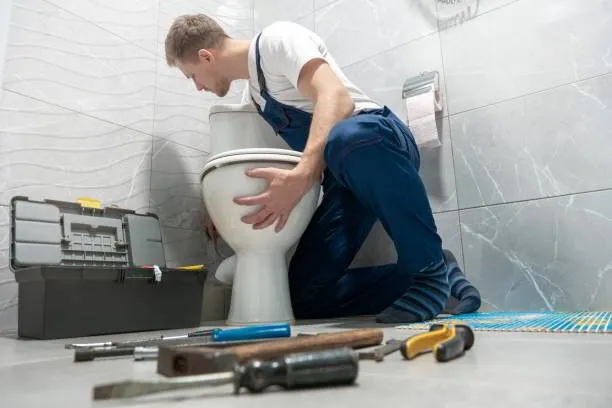
You’ve bought a new toilet. Maybe the old one finally gave up after years of problems, or maybe you’re upgrading to something more efficient. Either way, it’s sitting in a box in your garage, and you’re trying to decide if you can install it yourself or if you need to call someone.
Here’s the truth about toilet installation. It’s not rocket science, but it’s also not quite as simple as some YouTube videos make it look. Especially here in Sarasota County, where we’ve got our own quirks – older plumbing in some areas, specific code requirements, and that lovely Florida humidity that affects everything.
Get it right and you’ve got a toilet that works perfectly for years. Get it wrong and you’re dealing with leaks, wobbling, constant running, or worse – water damage that costs way more than just hiring a plumber in the first place.
Let me walk you through what you actually need to know about toilet installation for homes in Sarasota County. The stuff that matters, the mistakes people make, and when it makes sense to DIY versus when you should just call a professional.
And if you’re reading this and thinking you’d rather just have someone handle it, Redemption Plumbing Services serves all of Sarasota County. Call (941) 541-7473 or email Getgreatservice@redplbg.com. We’re available 24/7, licensed (CFC1431820), insured, and we install toilets correctly the first time.
Why Toilet Installation Matters More Than You Think
A toilet that’s installed wrong doesn’t always fail immediately. That’s actually the problem. It might work fine for weeks or even months before issues start showing up.
Maybe it’s a slow leak at the base that’s been soaking into your subfloor without you knowing. By the time you notice, you’ve got water damage and possibly mold. In Sarasota County’s humid climate, mold doesn’t need much encouragement.
Or maybe the wax ring wasn’t seated properly, and sewer gases are seeping into your bathroom. You get used to the smell and don’t realize what’s happening until guests come over and immediately notice.
Or the toilet rocks slightly because it wasn’t shimmed level, and that constant movement gradually breaks the seal and cracks the flange. Now you need flange repair on top of reinstalling the toilet.
These aren’t hypothetical scenarios. I see these problems constantly in Sarasota County homes where someone installed a toilet themselves and missed a critical step.
The installation process itself isn’t terribly complicated. But the details matter a lot, and skipping steps or doing them wrong creates problems that compound over time.
What Makes Sarasota County Different
Not every toilet installation tip you find online applies equally here. We’ve got specific considerations in Sarasota County that affect how toilets should be installed.
Water quality here is hard. Lots of minerals. That affects everything from how long wax rings last to how quickly toilet internals wear out. When you’re installing a new toilet, you want to use quality components that’ll hold up to our water.
Older homes in areas like Sarasota, Venice, and North Port often have plumbing that’s… let’s say vintage. Cast iron flanges that are corroded, non-standard rough-in distances, floors that aren’t level because houses have settled over decades. You need to work with what’s there, not what the installation manual assumes you have.
Code requirements in Florida include specific venting requirements and water efficiency standards. New toilets need to be WaterSense certified (1.28 gallons per flush or less). Most new toilets meet this, but it’s worth verifying before you buy.
Humidity and moisture mean you need to be extra careful about sealing. A small leak that might evaporate quickly in a dry climate becomes a breeding ground for mold here. Proper sealing and regular checks matter more in Florida.
Septic systems are common in parts of Sarasota County. If you’re on septic, you want a septic-safe toilet and you definitely don’t want any leaks that let clean water constantly run into your system. That throws off the bacterial balance your septic tank needs.
Common Toilet Installation Mistakes
Let me tell you what goes wrong most often, because these are the service calls we get after someone tried to install their own toilet.
Not replacing the wax ring. You’re installing a new toilet, so you need a new wax ring. Don’t try to reuse the old one. Don’t use that foam ring because you think it’s easier. Use a proper wax ring and if you’re not confident about getting it positioned right the first time, use one with a plastic horn that guides it into place.
Incorrect flange height. The toilet flange should sit on top of your finished floor, not below it. If you’ve installed new flooring and the flange is now too low, you need a flange extender. Installing a toilet on a low flange is asking for leaks and seal problems.
Not checking if the floor is level. If the floor isn’t level, the toilet will rock. That rocking breaks seals and eventually cracks the porcelain. You need to shim the low spots, then caulk around the base (leaving the back open for leak detection) to hold everything stable.
Overtightening bolts. Porcelain cracks. You’re tightening the closet bolts enough to pull the toilet snug to the floor, not trying to crush it into submission. Hand tight plus a quarter turn with a wrench is usually plenty. If the toilet still rocks, add shims – don’t just crank the bolts harder.
Skipping the test. After installation, you need to actually test everything. Flush multiple times. Check for leaks at the base. Watch the water level in the bowl. Make sure the tank fills and shuts off properly. Don’t just assume it’s fine because it flushes once.
Not dealing with old flanges. If your toilet flange is rusted, cracked, or corroded, replacing the toilet without fixing the flange is pointless. You need a solid, secure flange for the toilet to seal properly. Sometimes that means cutting and replacing sections, sometimes it means installing a flange repair ring. Either way, a bad flange means a bad installation.
Getting the Installation Right
If you’re doing this yourself, here’s what actually needs to happen for a proper installation in a Sarasota County home.
First, shut off the water and remove the old toilet. Drain everything, disconnect the supply line, unbolt it from the floor, and lift it straight up. Have towels ready because there’s always more water than you expect.
Clean the flange area completely. Scrape off the old wax ring, clean any crud off the flange, inspect for damage. This is when you discover if you need flange repairs before you can proceed.
Check that the flange is at the right height – flush with or slightly above the finished floor. If it’s low, get a flange extender. Make sure the bolts are in good condition and properly positioned.
Put the new wax ring on the flange (or on the toilet’s outlet depending on preference – both work if done correctly). If you’re using a ring with a plastic horn, make sure it’s oriented correctly.
Set the new toilet carefully. Line up the bolts with the holes in the base, and lower the toilet straight down onto the wax ring. Don’t rock it around trying to position it – you get one shot at this. Press down firmly to compress the wax ring and seal everything.
Install the washers and nuts on the closet bolts. Tighten them alternately (a little on one side, a little on the other) until the toilet is snug to the floor. Don’t overdo it.
Check level. If the toilet rocks, loosen the bolts, add shims where needed, retighten. The toilet should be solid with no movement.
Attach the tank if it’s a two-piece toilet. Connect the water supply. Turn the water back on and let the tank fill.
Test everything. Flush several times. Check for leaks at the base, at the tank-to-bowl connection, at the supply line connection. Watch the fill valve shut off. Make sure nothing’s running constantly.
Caulk around the base, leaving the back open. This stabilizes the toilet and prevents water from getting under it, but the open back lets you see leaks if they happen.
When to Call a Professional
Some toilet installations are straightforward. If you’ve got a standard setup, everything’s in good condition, and you’re reasonably handy, you can probably handle it.
But call a plumber in Sarasota County if:
- The flange is damaged and needs replacement or repair
- You’re not sure about the rough-in distance and whether your new toilet will actually fit
- The floor is significantly unlevel or damaged
- You’re changing the toilet location (this requires moving plumbing)
- There are signs of previous water damage that need addressing
- You’re just not comfortable working with plumbing
- You’ve already tried once and it’s not working right
Honestly, the cost of professional installation isn’t that high compared to the cost of water damage from a botched DIY job. We charge a few hundred dollars for a straightforward toilet installation. Water damage remediation and floor repair? That’s thousands.
Tips Specific to Sarasota County Homes
For older homes, budget extra time to deal with whatever surprises you find. Corroded flanges, non-standard dimensions, floors that have settled – it’s all common in houses built 30-40+ years ago.
For homes on septic, make sure you’re not overtightening anything that could cause small leaks. Even minor leaks add water to your septic system constantly, which messes with how it functions.
In humid bathrooms, check your bathroom fan is working properly. A new toilet installation is a good time to make sure you’ve got proper ventilation. Moisture from the toilet area needs somewhere to go.
For vacation homes, if your house sits empty for months at a time, consider how that affects your toilet. Wax rings can dry out. Water in the bowl evaporates and lets sewer gases in. You might want to take extra steps to maintain seals.
During hurricane season, having a properly functioning toilet with no leaks is especially important. When storms hit and things get stressful, the last thing you need is plumbing problems adding to it.
Getting It Done Right
Installing a toilet correctly protects your home from water damage, saves money on water bills if you’re upgrading to a more efficient model, and just makes your bathroom work better.
If you’re confident in your abilities and the installation is straightforward, go for it. Just take your time, don’t skip steps, and test everything thoroughly when you’re done.
If you’re not sure, or if you run into problems, that’s what we’re here for. Redemption Plumbing Services handles toilet installations throughout Sarasota County – from Sarasota and Siesta Key to Venice, North Port, and everywhere in between.
Call (941) 541-7473), email Getgreatservice@redplbg.com, or stop by our location at 3101 16th Avenue West in Bradenton. We’re available 24/7 for emergencies, licensed (CFC1431820), and insured.
We’ll get your new toilet installed properly, answer any questions you have, and make sure everything’s working the way it should. Because a toilet that’s installed right is something you don’t have to think about for years, and that’s exactly how it should be.
Questions People Ask About Toilet Installation
Can I install a toilet myself? Depends on your skill level and the specific situation. If everything’s standard and in good condition, it’s doable for a handy homeowner. If there are complications, call a pro.
How long does toilet installation take? Professional installation usually takes 1-2 hours for a straightforward replacement. DIY might take longer, especially your first time.
Do I need a permit to replace a toilet? Generally not for a direct replacement in Sarasota County. But if you’re moving the toilet’s location or doing major plumbing work, check with the building department.
What’s the best toilet for Florida homes? Something with a powerful flush (to handle our hard water buildup), WaterSense certified for efficiency, and a good warranty. Brands like Kohler, Toto, and American Standard all make models that work well here.
Why is water pooling around my newly installed toilet? Either the wax ring isn’t sealed properly, the flange is damaged, the closet bolts are loose, or there is condensation (which is common in humid Florida bathrooms). Figure out which it is quickly before you get water damage.

Comments are closed