


We’ve all been there. You’re halfway through lathering up, maybe humming your favorite tune, when suddenly—bam—the water turns into an arctic blast. It’s a rude awakening that usually means your water heater has either run out of juice or, worse, is on its last legs.
Honestly, most of us don’t give that big metal cylinder in the garage a second thought until it stops working. But when it does, the pressure to pick a replacement fast can lead to a panic buy that doesn’t really fit your family’s needs. Choosing the right one isn’t just about getting the hot water back on; it’s about lowering your monthly bills and making sure everyone gets a warm shower, even the person who goes last.
I want to walk you through exactly How to choose the Right Water Heater for Your Home so you can move forward with confidence. Think of this as a roadmap to your home’s comfort. If you hit a snag or just want a pro to handle the heavy lifting, we’re right here in Bradenton at 3101 16th Avenue West. You can reach Redemption Plumbing 24/7 at (941) 541-7473 or shoot us an email at Getgreatservice@redplbg.com. We’re licensed, insured (LIC #: CFC1431820), and ready to help.
What You Need to Know First
Before you start shopping, you need a tiny bit of homework done. Don’t worry, there’s no quiz. Just grab a notebook and check these three things:
- Fuel Source: Do you have a gas line, or is your current heater strictly electric? Switching from one to the other can be pricey, so knowing your baseline is key.
- Space Constraints: Measure the height and width of your current unit. Modern high-efficiency tanks are often wider due to extra insulation.
- Peak Demand: How many people live in your house, and do you all shower at the same time? This helps determine the size you actually need.
Step-by-Step Guide to Picking Your Perfect Heater
1. Choose Your Style (Tank vs. Tankless)
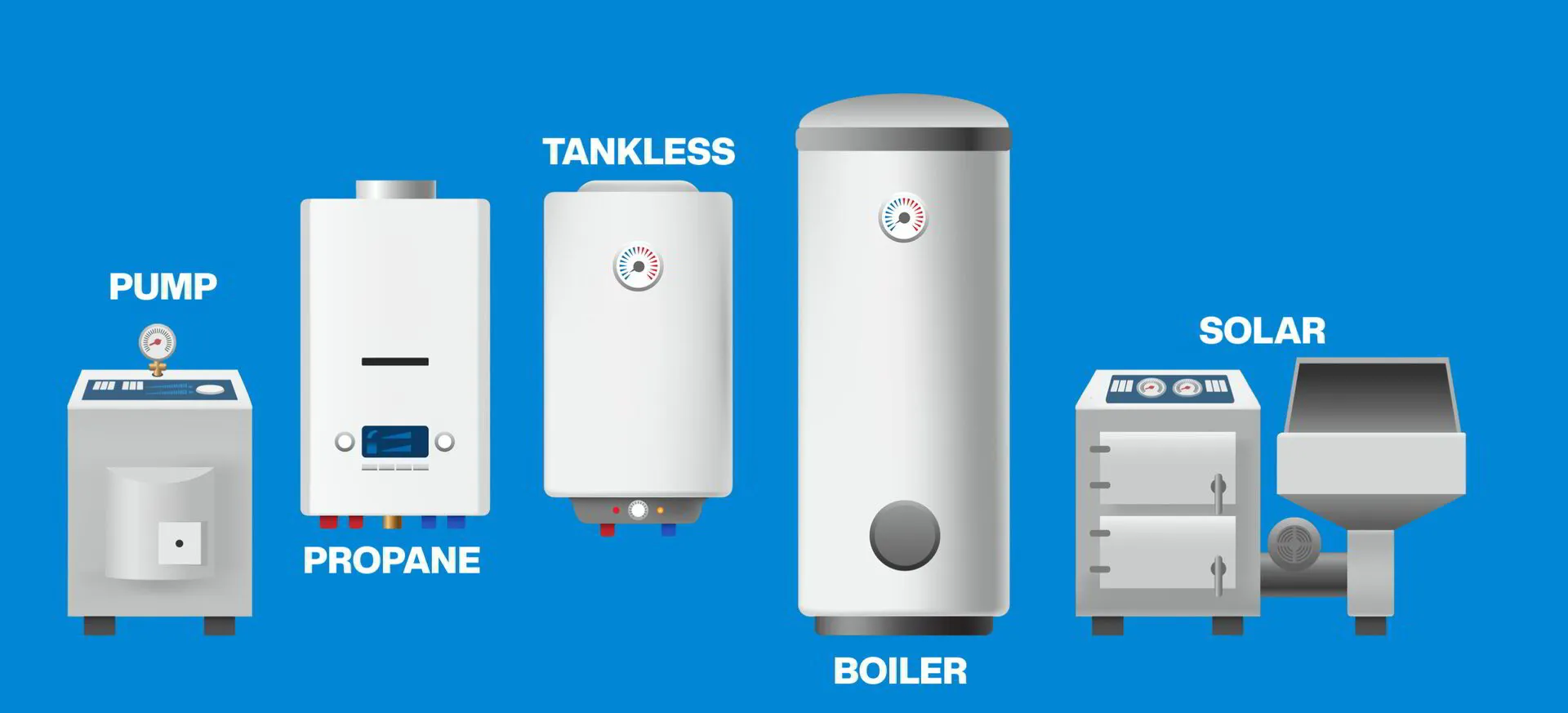
This is the big debate. A traditional tank heater keeps 40 to 50 gallons of water hot 24/7. It’s like keeping your car idling in the driveway just in case you want to drive later. It’s reliable and cheaper upfront, but it can run out of hot water.
On the flip side, a tankless water heater heats water on demand. It’s endless hot water, but the initial installation is more of an investment.
Pro Tip: If you have a massive soaking tub or a family of five, tankless is almost always the winner for long-term sanity.
2. Determine the First Hour Rating (Sizing)
If you stick with a tank, look at the “First Hour Rating” (FHR) on the yellow EnergyGuide label. This isn’t just how many gallons the tank holds; it’s a measure of how much hot water the unit can deliver in one busy hour.
Warning: Don’t just buy a “50-gallon tank” because that’s what you have now. If your kids have grown into teenagers who take 20-minute showers, your peak demand has changed. You might need a higher FHR.
3. Factor in Energy Efficiency
Look for the Uniform Energy Factor (UEF). The higher the number, the more efficient the unit. While high-efficiency models cost more initially, they pay for themselves in reduced utility bills over time.
Insight: In our Florida climate, heat pump water heaters (also called hybrid heaters) are incredibly effective because they pull heat from the warm air in your garage to heat the water. It’s like a Green Flow for your wallet.
4. Check the Warranty
Most water heaters come with a 6, 9, or 12-year warranty. Honestly, I’ve seen that the units with longer warranties usually have better heating elements and thicker insulation. It’s worth the extra few bucks for the peace of mind.
Expected Outcome: By the end of these steps, you should have a specific model type and size in mind that fits your house and your habits.
Visualizing the Difference: Tank vs. Tankless
| Feature | Standard Tank | Tankless (On-Demand) |
| Upfront Cost | Lower | Higher |
| Hot Water Supply | Limited to tank size | Endless |
| Physical Size | Large (Takes up floor space) | Small (Wall-mounted) |
| Lifespan | 8–12 years | 20+ years |
| Monthly Cost | Higher (Heats 24/7) | Lower (Heats on demand) |
Common Buying Mistakes
- Ignoring the T&P Valve: When you get your new unit, make sure the Temperature and Pressure relief valve is installed correctly. I’ve seen DIY installs where this was capped off, which turns a water heater into a literal bomb.
- Forgetting Maintenance: No matter what you choose, if you don’t perform a regular water heater service, sediment will eat your unit from the inside out.
- Mismatched Fuel Lines: If you buy a high-powered gas tankless unit, your current gas line might be too small to feed it. Always have a pro check the BTU requirements first.
Expert Insights for Sarasota Homeowners
Here’s the thing about living in Manatee County: our water can be a bit hard with minerals. These minerals love to settle at the bottom of your tank, making it less efficient and noisier (that popping sound you hear).
If you’re investing in a new heater, I highly recommend considering a whole-home water softener at the same time. It protects your new investment and keeps your faucets and fixtures looking brand new.
Also, don’t forget that a leaking water heater is one of the most common causes of major home insurance claims. Catching a failing unit before it bursts is the ultimate “pro move.” If you see any rust at the bottom of your current tank, that’s your house whispering for help before it starts screaming.
Summary and Your Next Move
Choosing a water heater doesn’t have to be a headache. If you focus on your fuel source, your family’s peak usage, and the long-term energy savings, the right choice usually becomes pretty clear.
To recap:
- Decide if you want the lower cost of a tank or the endless supply of a tankless unit.
- Measure your space so you don’t end up with a unit that doesn’t fit.
- Check the EnergyGuide label to save money on your monthly bills.
- Hire a licensed professional to ensure the gas and water lines are safe.
At Redemption Plumbing, we’ve installed thousands of these across Manatee County. We know which brands handle our local water best and which ones are built to last. If you’re ready to stop the cold-shower lottery, give us a shout. We’re here for you 24/7, because nobody should have to wait for hot water.


Comments are closed