


Why Does My Toilet Look Like an Abandoned Ship?
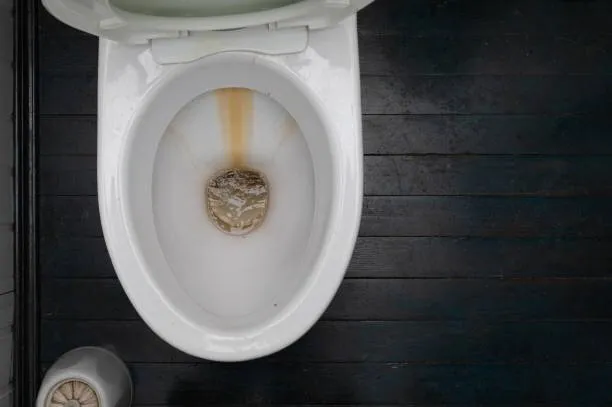
We’ve all been there. You spend all Saturday cleaning the house, scrubbing the floors until they shine, but then you look into the guest bathroom and see it: that stubborn, ugly, orange-brown ring right at the water line. Honestly, it makes the whole room feel “dirty” even when you’ve just sanitized it. It’s frustrating. You scrub and scrub with that blue bottled cleaner from the grocery store, but the stain just stares back at you, mocking your effort.
If you’re living in Sarasota FL, you’re probably dealing with this more than most. Our local water is “hard,” which is just a polite way of saying it’s packed with minerals like iron and magnesium. When that iron hits the air and the water in your bowl, it oxidizes. And presto—you’ve got rust.
Banishing rust stains from your toilet isn’t just about appearances, though. It’s about protecting the porcelain and making sure your plumbing stays healthy. If you’re tired of the “orange ring of doom,” I’m going to walk you through exactly how to get rid of it and, more importantly, how to keep it from coming back. If you find that the stains are actually coming from old, corroded pipes inside your walls, you might want to look into our pipe repair services before the problem gets worse.
1. The Acid Trip (The Natural Kind)
When it comes to rust, traditional bleach is actually your enemy. Believe it or not, bleach can actually make rust stains permanent by “setting” the iron into the porcelain. What you really need is something acidic to break down the mineral bond. Plain old white vinegar or fresh lemon juice are your best friends here.
You’ll want to pour about two cups of vinegar into the bowl and let it sit. And I mean really sit. Don’t flush it for at least a few hours—overnight is better. The acid slowly eats away at the iron deposits so you can just swish them away with a brush the next morning.
Real-world scenario: I had a friend over in Siesta Key who thought she needed a brand-new toilet. The rust was so thick it looked like it was part of the ceramic. We did a vinegar soak, followed by a little elbow grease, and saved her a few hundred bucks on a new toilet installation.
Pro Tip: If the stain is above the water line, soak some paper towels in vinegar and “stick” them to the stain. They’ll stay put and keep the acid working right where you need it.
2. The Pumice Stone Power Play
Sometimes, the minerals have been there so long they’ve basically turned into rock. When liquids won’t cut it, you need to go mechanical. A pumice stone is a lifesaver for porcelain. It’s abrasive enough to remove the rust but soft enough that it won’t scratch your toilet (as long as you keep it wet!).
Always, always wet the stone first. If you use a dry pumice stone on dry porcelain, you’re going to leave scratches that will actually trap more dirt and rust in the future. Rub the stone gently over the ring, and you’ll see the orange literally disappear into a grey paste.
Real-world scenario: I’ve used this trick on dozens of “uncleanable” toilets in older Sarasota FL homes. It’s satisfying to watch that ring vanish after years of buildup. It’s like magic, but with more scrubbing.
3. Baking Soda and Lemon Juice Paste
If you’ve got a vertical stain—maybe a “trail” coming down from under the rim—a liquid soak won’t help much. You need something that clings. Mix baking soda with enough lemon juice to make a thick paste (think toothpaste consistency).
Smear that paste all over the rusty spots and let it bubble. That chemical reaction helps lift the iron out of the microscopic pores of the porcelain. Leave it for an hour, scrub with a stiff brush, and flush.
Real-world scenario: This is my go-to for under-the-rim stains. Those little jet holes can get clogged with rust, which eventually leads to a weak flush. If your toilet isn’t clearing the bowl like it used to, it might be time for a professional drain cleaning to make sure the rest of the line is clear too.
4. Check Your Tank (The Root of the Evil)
Here’s a secret: if your bowl keeps getting rusty, the problem might not be your water—it might be your tank. Take the lid off and look inside. If the water in there is orange, or if the metal components (like the handle rod or old-school fill valves) are corroding, they’re dumping rust into the bowl every time you flush.
You can clean the bowl a thousand times, but if the tank is “bleeding” rust, the stains will be back in a week. Sometimes, just replacing those old metal parts with modern plastic ones solves the problem for good.
Real-world scenario: I once worked with a homeowner in Venice who was convinced their well water was ruined. I opened the tank and found a rusted-out steel bolt that was disintegrating. One $5 part replacement later, and no more rust.
5. Professional Grade Removers (For the “Mission Impossible” Stains)
If you’ve tried vinegar, lemons, and pumice and you’re still seeing orange, it’s time for the heavy hitters. There are products specifically designed for high-iron water areas (like Sarasota). Look for things containing “oxalic acid.”
These are powerful, so wear gloves and keep the bathroom ventilated. They work by chemically converting the rust into a colorless, water-soluble form. It’s the “nuclear option,” but boy, does it work.
Insight: If you’re using these heavy cleaners frequently, it might be a sign that yourwater heateris rusting out from the inside. If the rust is showing up in your sinks and tubs too, give us a call to check the heater before it leaks.
Comparison: Which Method Should You Choose?
| Method | Effort Level | Best For… | Cost |
| Vinegar Soak | Low (Wait time) | Light rings / Maintenance | $ |
| Pumice Stone | High (Scrubbing) | Thick, crusty buildup | $ |
| Lemon/Soda Paste | Medium | Vertical trails / Rim jets | $ |
| Chemical Remover | Low | Deeply set, old stains | $$ |
| Part Replacement | Medium | Preventing stains at the source | $$ |
Export to Sheets
Key Takeaways for a Sparkling Throne
- Ditch the Bleach: It sounds counter-intuitive, but bleach can make rust worse. Stick to acids.
- Keep it Wet: If you’re using a pumice stone, a dry stone equals a scratched toilet. Always dip it in the bowl water first.
- Overnight is Best: Time is the most effective ingredient. Let your cleaners sit while you sleep.
- Look Upstream: Always check the tank. If the source of the rust is in the tank, you’ll never win the battle in the bowl.
- Sarasota Hard Water: Accept that we live in a high-mineral area. Monthly “preventative” vinegar soaks will save you a lot of heavy scrubbing later.
Wrapping Up the Rust Battle
Honestly, a rusty toilet is more of a mental drain than anything else. It’s that one thing you see every morning that bugs you. But as you’ve seen, banishing rust stains from your toilet doesn’t have to involve a massive renovation or expensive chemicals. Usually, it just takes a little bit of the right stuff and some patience.
And hey, if you find that the rust is just one symptom of a bigger plumbing headache—like low pressure, weird noises, or recurring clogs—don’t feel like you have to handle it all alone. We see this stuff every day in Sarasota FL, and we’re always happy to swing by and take a look. Whether it’s a stubborn leak or a water heater that’s seen better days, we’ve got your back.
Ready to say goodbye to the orange for good? Try the vinegar soak tonight and see how it looks in the morning. If you’re still struggling, or if that rust is appearing in your drinking water too, give us a shout. We’ll help you get to the bottom of it so you can get back to enjoying your beautiful Florida home.
Would you like me to put together a list of the best water softeners that can help prevent these stains from ever starting in your pipes?


Comments are closed