


The $200 Leak and a Change of Heart
I remember sitting at a kitchen table with a homeowner named Sarah a few months back. She was staring at her water bill like it was a ghost. It had spiked by nearly $200 in a single month, and she couldn’t figure out why. We walked over to her guest bathroom, and sure enough, there was a faint, almost musical hiss coming from the toilet.
It was a tiny leak—a worn-out flapper valve that cost about five dollars to fix. But that little leak had wasted thousands of gallons of water. Sarah looked at me and said, “I feel like I’m literally flushing money and the planet down the drain.”
She was right. That moment was a wake-up call for her, and honestly, it’s one I see a lot. We often think “going green” requires a massive lifestyle overhaul or a solar-powered everything. But in the world of plumbing, a Green Flow Eco-Friendly approach is actually about the small, smart moves that keep your home running better and your conscience a little clearer.
If you’ve ever felt that twinge of guilt while waiting five minutes for the shower to get hot, this is for you. Let’s talk about how we can turn that around.
Why “Going Green” is Actually Just Good Plumbing
When people hear “eco-friendly,” they sometimes think of low-flow showerheads that feel like a weak mist. But the technology has come so far. Today, being environmentally conscious in your home is just synonymous with being efficient.
The Real Cost of Waste
Water is one of those things we take for granted until it’s gone or until it costs too much. Every drop that leaks or gets wasted is water that had to be treated, pumped, and heated. That takes energy. When you reduce your water footprint, you’re not just saving the local reservoir; you’re lowering the demand on the power grid and keeping more cash in your wallet.
The Hidden Impact of Your Pipes
It’s not just about the water itself. It’s about what we put into the water. Harsh chemical cleaners, grease, and non-biodegradable “stuff” all impact our local ecosystem. A Green Flow Eco-Friendly home considers the entire cycle—what comes in, how we use it, and what we send back out into the world.
Core Concepts of a Sustainable Home
So, how do we actually achieve this? It’s not just about turning off the tap while you brush your teeth (though you should definitely do that). It’s about systemic changes.
1. High-Efficiency Fixtures (That Don’t Suck)
The biggest game-changer is the WaterSense label. If you haven’t seen it, keep an eye out next time you’re at the hardware store. Toilets, faucets, and showerheads with this label are certified to use at least 20% less water while performing as well as—or better than—standard models.
Pro Tip: If your toilet was made before 1994, you could be using up to 7 gallons per flush. A modern toilet installation can bring that down to 1.28 gallons. That’s a massive difference over a year.
2. The Magic of Tankless Water Heaters
Think about your standard water heater. It’s a giant tank keeping 50 gallons of water hot 24/7, even while you’re at work or sleeping. It’s like keeping your car idling in the driveway just in case you want to go to the store later.
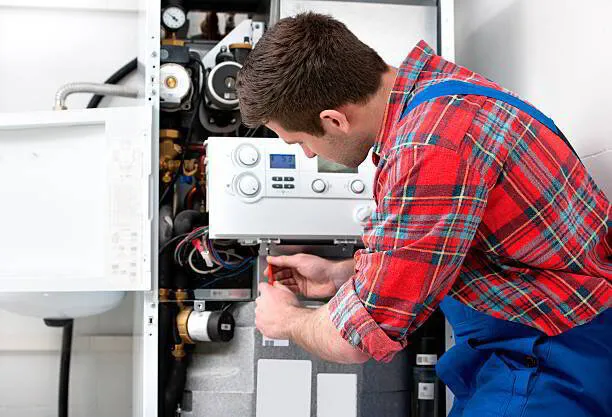
A tankless water heater only heats water the second you turn on the tap. It’s endless hot water, but only on demand. It’s more efficient, takes up less space, and lasts twice as long as a tank model.
3. Smart Leak Detection
Remember Sarah’s $200 leak? Modern Green Flow Eco-Friendly tech could have stopped that in minutes. We now have leak detection systems that sit on your main water line and monitor the “pulse” of your home. If it senses water running for two hours straight (like a leaking toilet), it sends an alert to your phone. Some can even shut off the water automatically to prevent a flood.
Expert Insights: The Stuff Your Plumber Genuinely Wants You to Know
Look, I’ve been in this industry a long time, and I’ve seen the “dark side” of traditional plumbing. If you want to be truly eco-friendly, here is the insider advice that goes beyond the brochures.
- Stop Using Chemical Drain Cleaners: I cannot shout this loud enough. Those “liquid” fixes are toxic to the environment and they actually eat away at your pipes. If you have a clog, use a plunger, a zip-strip, or call us for a professional drain cleaning. Mechanical cleaning is always better for the planet (and your plumbing) than chemical burning.
- Check Your Water Pressure: If your pressure is too high, you’re literally forcing extra water out of every fixture. It causes leaks and wears out appliances. A simple pressure-reducing valve can save thousands of gallons a year.
- The “Flapper” Test: Every six months, put a few drops of food coloring in your toilet tank. Don’t flush. If color seeps into the bowl after 15 minutes, your flapper is leaking. It’s a 5-minute fix that saves a fortune.
Practical Application: Your “Green Flow” Checklist
Ready to make a change? You don’t have to do it all today. Pick one or two things from this list to get started:
- Install Aerators: These little mesh screens screw onto the tip of your faucets. They mix air into the water stream, so it feels like you have high pressure while using way less water. It’s the cheapest “green” upgrade you can buy.
- Shorten the “Wait” Time: If you find yourself waiting forever for hot water at the kitchen sink, consider a recirculating pump. It keeps hot water ready in the pipes so you don’t send five gallons of cold water down the drain while waiting for the heat.
- Upgrade the Dishwasher: Believe it or not, modern dishwashers use significantly less water than hand-washing. Just make sure you only run it when it’s full!
- Mulch Your Outdoor Lines: If you have outdoor faucets, keep them insulated. A burst pipe in the winter is a massive waste of water and a huge repair bill.
FAQ: Common Questions About Eco-Plumbing
Q: Will low-flow fixtures actually get my hair clean? A: Yes! Modern designs use air-induction technology to make the water feel powerful even though there’s less of it. The “weak” showers of the 90s are a thing of the past.
Q: Is eco-friendly plumbing more expensive to install? A: Sometimes the fixtures cost a tiny bit more upfront, but the ROI (return on investment) is incredibly fast. Most homeowners see their water bills drop by 20-30% almost immediately.
Q: Can I go green with an old septic system? A: Absolutely. In fact, it’s even more important. Using less water prevents your septic tank from getting overwhelmed, which prevents major environmental (and financial) disasters.
Conclusion: Flowing Toward a Better Future
Back to Sarah. After we fixed her leak and swapped her old showerhead for a high-efficiency one, her next water bill was back to normal. Better than normal, actually. She told me, “It’s weird, but I feel more connected to my home now. I’m actually paying attention.”
That’s what it’s all about. A Green Flow Eco-Friendly home isn’t just about the planet—it’s about you being the boss of your own domain. It’s about efficiency, smart tech, and not throwing money away.
At Redemption Plumbing, we’re here to help you find that balance. Whether you want a full-home water audit or just need to fix that annoying hiss in the bathroom, we’ve got your back. Let’s make this the year your plumbing finally works for you and the world around you.our water resources. By making conscious choices today, we can ensure a healthier planet for tomorrow.


Comments are closed