


The “Sink is Full Again” Blues
We’ve all been there. You’re brushing your teeth or finishing up the dinner dishes, and you realize the water isn’t going anywhere. It’s just… sitting there. Staring at you. Maybe it’s swirling lazically, or maybe it’s completely stagnant, filled with bits of toothpaste or yesterday’s pasta sauce.
It’s frustrating, right? Your first instinct might be to panic and call a plumber immediately. And hey, we love hearing from you! But honestly, a lot of the time, you can handle these little hiccups yourself with a few things you probably already have in your pantry or garage.
I want to share this DIY guide fixing those stubborn backups so you can get back to your life without the stress. Think of this as a “friend-to-friend” chat over coffee about the stuff I’ve seen work in real homes. If it sounds a bit messy, that’s because plumbing is. But saving yourself a service fee? That’s worth a little elbow grease.
1. The Classic Plunger (Done the Right Way)
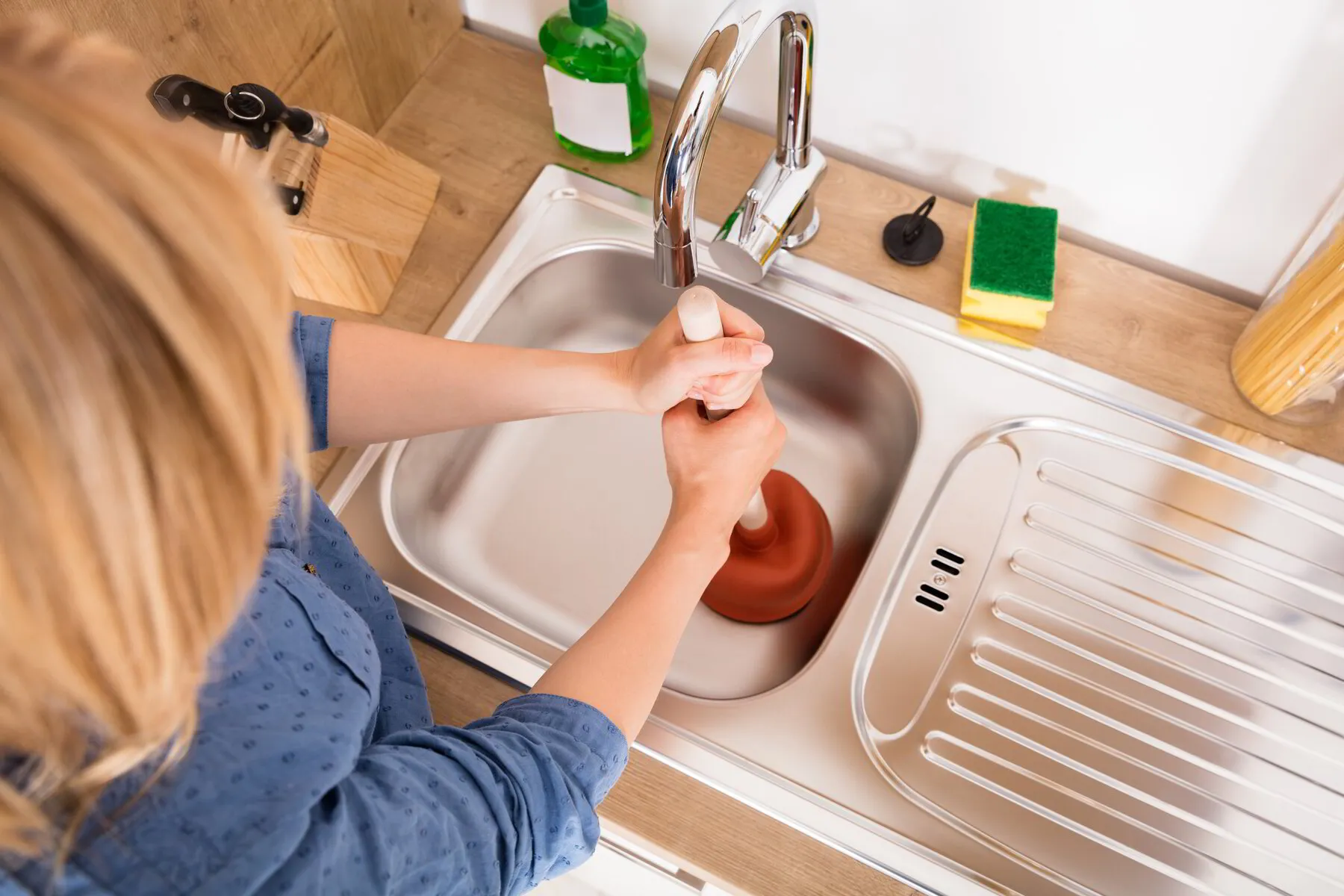
Most people have a plunger, but I’d bet half the people reading this aren’t using it quite right. For a sink, you want a standard cup plunger. For a toilet, you need one with a “flange” (that extra bit of rubber on the bottom).
The secret isn’t just pushing down; it’s the suction on the way back up. You want to create a tight seal, cover the overflow hole with a wet rag (if it’s a sink), and give it a series of fast, firm plunges. You’re trying to vibrate the clog loose, not just shove it deeper.
The Real-Life Moment: I once watched a guy try to plunge a double kitchen sink without plugging the other side. Every time he pushed down, water just sprayed out the other drain. Don’t be that guy. Plug the “off” side so the pressure stays in the pipes.
Quick Tip: Put a little petroleum jelly on the rim of the plunger. It helps create a much better seal against the porcelain.
2. The Baking Soda and Vinegar Volcano
If you’re worried about the environment—or just don’t want to pour liquid fire down your pipes—this is your best bet. It’s the same science experiment you did in fifth grade, but for your plumbing.
Dump about half a cup of baking soda down the drain, followed by half a cup of white vinegar. Plug the drain and let it fizz for about 15 minutes. The chemical reaction helps break up organic gunk like hair and soap scum. Finish it off with a kettle full of boiling water.
The Real-Life Moment: This works wonders for “stinky” drains. If your laundry room smells like a swamp, this combo usually eats through the bacteria-laden sludge that causes the odor.
Quick Tip: Don’t do this if you’ve already poured a commercial chemical cleaner down there. Mixing vinegar with those can create some really nasty fumes.
3. The “Zip-Strip” or the Plastic Hair Snatcher
If you have a bathroom sink or tub that’s draining slowly, the culprit is almost always hair. Gross, tangled, soapy hair. You can buy these long, flexible plastic strips with little barbs on them for a couple of bucks.
You just slide it down the drain, wiggle it around, and pull. You’ll be disgusted by what comes out, but the water will move like a dream afterward. It’s a bit stomach-turning, honestly, but incredibly satisfying.
The Real-Life Moment: I’ve seen these little strips pull out hairballs that looked like small rodents. It’s a “one and done” fix that works about 90% of the time for bathroom clogs.
4. Cleaning the P-Trap (The “U” Shape Under the Sink)
This sounds intimidating, but I promise you can do it. That U-shaped pipe under your sink is designed to hold a bit of water to keep sewer gases out. But it also catches rings, coins, and—you guessed it—heavy clogs.
Put a bucket underneath, unscrew the two slip nuts by hand (or with pliers), and pull the trap off. Dump it into the bucket and give it a good rinse in a different sink. If the clog was in the trap, you’ve just won the battle.
The Real-Life Moment: This is where people usually find their lost wedding rings. If something valuable went down the drain, do not run the water. Open the P-trap immediately.
Quick Tip: While the trap is off, check the condition of the washers. If they look flattened or cracked, spend the $2 to replace them before you put it back together.
5. The Hand-Cranked Drain Auger (The Snake)
When the plunger fails, it’s time to bring in the big guns. A hand snake is a long, coiled wire that you manually crank into the pipe. It can reach clogs that are 15 or 20 feet deep—way further than a plunger can reach.
You feed it in until you hit resistance, then crank it to “hook” the clog and pull it back out. It takes a little feel for it, but it’s the most effective DIY tool for a drain cleaning project that’s moved past the sink basin.
The Real-Life Moment: If you’re dealing with a main line backup in Sarasota, sometimes a hand snake isn’t enough. That’s when you might need a sewer camera inspection to see if tree roots have actually broken the pipe.
Which Method Should You Use?
| Method | Best For… | Difficulty | Mess Level |
| Plunger | Solid blockages / Toilets | Easy | Low |
| Baking Soda/Vinegar | Slow drains / Odors | Very Easy | None |
| Zip-Strip | Hair clogs in bathrooms | Easy | Medium (Gross!) |
| P-Trap Removal | Lost items / Local clogs | Medium | High |
| Snake/Auger | Deep or stubborn clogs | Medium/Hard | High |
Key Takeaways for Homeowners
- Safety First: If you’ve used chemical cleaners, wear eye protection and gloves. That stuff burns.
- Avoid “Liquid Drain Openers”: They can damage your pipes over time. Stick to mechanical methods or natural cleaners.
- Know your limits: If the water is backing up in the tub when you flush the toilet, that’s a main sewer line issue. Stop DIY-ing and call a pro.
- Keep it clean: Regular maintenance (like the baking soda trick once a month) keeps the big clogs from ever forming.
Wrapping It Up
Look, I know how it is. You want to be the hero of your own home and save some money. Most of the time, this DIY guide fixing your drains will do exactly that. There is a real sense of pride in fixing a sink and watching that water swirl away like it’s supposed to.
But sometimes, the problem is bigger than a hairball. If you’ve tried the plunger, cleaned the trap, and snaked the line, and you’re still standing in a puddle—don’t beat yourself up. Some clogs are just mean.
If you’re in the area and feeling defeated by your plumbing, give us a call at Redemption Plumbing. We won’t judge the mess; we’ll just help you get your “flow” back. And if you’re worried about future issues, check out our Redemption Family Plan to keep those drains clear year-round.


Comments are closed