


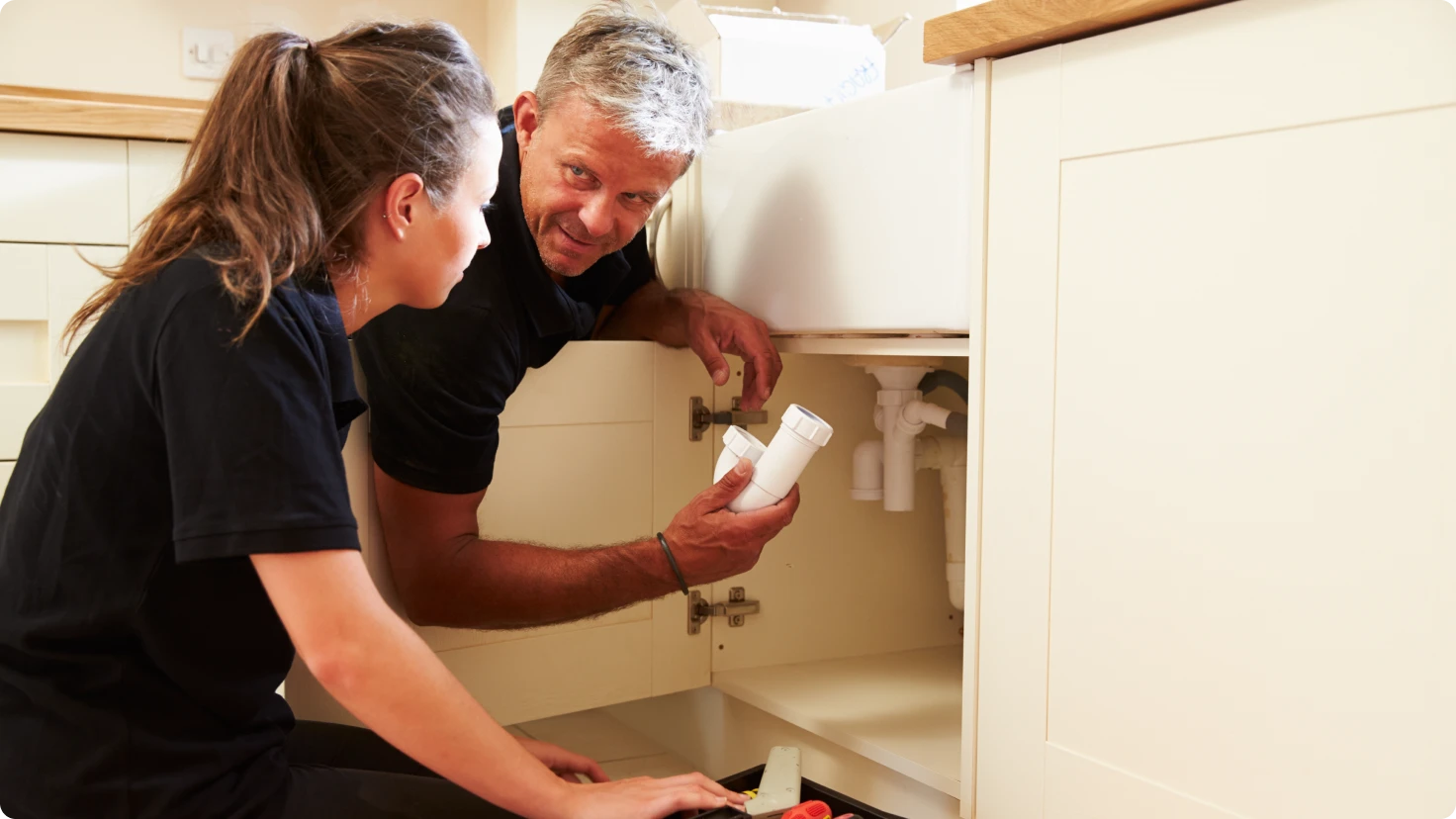
The “Oh No” Moment: Why Plumbing Matters
Look, we’ve all been there. It’s 2:00 AM, you’re stumbling toward the bathroom, and you hear it—that rhythmic, soul-crushing drip… drip… drip. Or worse, the squelch of wet carpet where there definitely shouldn’t be carpet.
For most homeowners, the plumbing system is like a mysterious, hidden labyrinth. We know it works, we pray it stays working, and we usually don’t think about it until it decides to stage a protest. But here’s the thing: you don’t need a master’s degree in mechanical engineering to keep your home dry and your bank account full.
Honestly, most of the “emergencies” I see could’ve been avoided with a little bit of heads-up knowledge and about ten minutes of poking around under the sink. We’re going to walk through some property-management-level secrets that will make you the hero of your own household. No jargon, no “corporate-speak”—just real talk about your pipes.
If things have already gone south and you’re currently standing in a puddle, don’t panic. You can always reach out for emergency plumbing services to get things back to normal. But for the rest of us? Let’s dive into the list.
1. Know Your Main Shut-Off (Like, Right Now)
I’m serious. If you stop reading right after this paragraph, I’ll still feel like I’ve done you a favor. Every single person living in a house needs to know exactly where the main water shut-off valve is located.
Think about it this way: if a pipe bursts, you have about sixty seconds to stop the flow before “minor repair” turns into “total floor replacement.” You don’t want to be frantically Googling “where is my water valve” while your living room becomes a swimming pool. It’s usually near the perimeter of the house, often in a garage, a basement, or even outside in a plastic box near the street.
The Scenario: Imagine you’re installing a new shelf and—whoops—you nick a pipe behind the drywall. Water is spraying. If you know where that valve is, you’re out the cost of a small patch job. If you don’t? You’re looking at a five-figure insurance claim.
Pro Tip: Once you find it, hang a bright tag on it. Better yet, show everyone in the house—including the teenagers—how to turn it.
2. The Golden Rule of Garbage Disposals
We call them “garbage” disposals, but that’s actually the worst name we could’ve given them. They aren’t trash cans. They’re basically small, spinning teeth meant for the tiny bits of food left on a plate after you’ve already scraped it into the bin.
The biggest offenders? Pasta, rice, coffee grounds, and eggshells. Pasta and rice expand in the water, creating a sticky paste that’s essentially organic concrete for your pipes. And grease? Forget about it. Pouring grease down the drain is like asking for a drain cleaning visit within the month. It cools down, hardens, and traps everything else passing by.
The Scenario: You host a big Sunday dinner and dump all the potato peels down the sink. Suddenly, the water isn’t moving, and the disposal is making a sad humming sound. Now you’re doing dishes in the bathtub.
Pro Tip: Always run cold water for 30 seconds after you turn the disposal off. It helps flush those tiny particles all the way out to the main sewer line.
3. Your Water Heater is a Living Thing (Sort Of)
Okay, maybe not “living,” but it definitely gets “crusty” over time. Most homeowners buy a water heater and then ignore it for twelve years until the showers start coming out lukewarm. Inside that tank, minerals from your water (like calcium) settle at the bottom and create a layer of sediment.
This sediment acts as a barrier between the burner and the water. Your heater has to work twice as hard to get through that “rock” layer, which spikes your energy bill and eventually cracks the tank. Flushing your tank once a year—basically just draining it to get the gunk out—can literally double the life of the unit.
The Scenario: You notice your water heater is making a “popping” or “knocking” sound. That’s not a ghost; it’s steam bubbles fighting their way through a thick layer of sediment. It’s a cry for help.
Pro Tip: If your heater is over 10 years old and has never been flushed, be careful. Sometimes that sediment is the only thing stopping a small leak. If you’re unsure, check out ourwater heater servicesto see if a flush or a replacement is the better move.
4. Stop Using Chemical Drain Cleaners
I know, I know. Those big blue or orange bottles at the hardware store promise to “melt” your clogs in seconds. And they do! But they also “melt” your pipes. Those chemicals are incredibly caustic and generate heat. If you have older PVC pipes, they can soften them. If you have metal pipes, they can eat through the walls over time.
Plus, if the chemical doesn’t clear the clog, you now have a sink full of standing water mixed with toxic acid. When a plumber eventually has to come out, it’s actually dangerous for them to work on.
The Scenario: The bathroom sink is slow. You pour a bottle of “Liquid-Fire-Death” down there. It works for a week, but the clog comes back. You do it again. Eventually, you notice a leak under the sink because the trap has literally been eaten away from the inside.
Pro Tip: Get a “Zip-It” tool. It’s a cheap, flexible piece of plastic with barbs. It pulls out hair clogs in seconds without a single chemical.
5. The “Silent” Toilet Leak
This is the sneakiest way homeowners lose money. A toilet can have a slow leak from the tank into the bowl that you never see or hear. It’s usually just a worn-out flapper—a $5 piece of rubber—but it can waste hundreds of gallons of water a day.
I’ve seen people get a water bill that’s $200 higher than usual and think the meter is broken. Nope. It’s just the toilet “ghost flushing” in the middle of the night.
The Scenario: You put a few drops of food coloring in the back of the toilet tank. You don’t flush. You come back 20 minutes later, and the water in the bowl is blue. Boom—you’ve got a leak.
Pro Tip: If the food coloring trick shows a leak, it’s usually time for atoilet repair. It’s a quick fix that pays for itself in one month of water bills.
6. Give Your Washing Machine Some Breathing Room
We’ve all tried to cram that last set of towels into the wash, right? But here’s the thing: those rubber hoses behind your machine are under constant pressure. When the machine abruptly shuts off the water, it creates a “water hammer”—a shockwave that rattles the pipes.
Over time, those cheap rubber hoses can bubble and burst. And since most laundry rooms are on the second floor or near the main living area, a burst hose is a disaster.
The Scenario: You’re at work, a hose bursts, and by the time you get home, the ceiling in your kitchen is on the floor.
Pro Tip: Swap those black rubber hoses for stainless steel braided hoses. They’re much harder to burst and give you a lot more peace of mind.
Quick Comparison: DIY vs. Pro Help
| Problem | DIY Difficulty | When to Call a Pro |
| Slow Drain | Easy (Use a snake) | If the whole house is backed up |
| Leaking Faucet | Medium (Requires tools) | If the shut-off valve is stuck |
| Water Heater Noise | Hard | If you see rust or water on the floor |
| Running Toilet | Easy (Replace flapper) | If the porcelain is cracked |
The Big Takeaways for Homeowners
Look, owning a home is a lot. It’s a constant game of “what’s that noise?” and “why is that damp?” But if you keep these things in mind, you’re ahead of 90% of the population:
- Location is everything: Know where that main shut-off is.
- Don’t feed the disposal: Treat it like a delicate instrument, not a woodchipper.
- Maintenance saves money: Flushing a water heater or checking a toilet flapper costs almost nothing but saves thousands.
- Avoid the chemicals: Your pipes will thank you, and your plumber won’t get chemical burns.
- Inspect the hoses: Those little rubber lines behind the washer and under the sink are the weakest links.
Let’s Keep Your Home Dry
At the end of the day, your home is your sanctuary. It shouldn’t be a source of constant stress. Most plumbing issues start small—so small you can almost ignore them. But as any homeowner who’s dealt with a flooded basement will tell you, “almost” is the most expensive word in the English language.
If you’ve noticed a small leak, or if you’re just worried about the age of your pipes, don’t sit on it. Whether you need leak detection or just a quick check-up, taking action now is the smartest thing you can do.
Want to make sure your home is truly protected? We’ve got your back. Feel free to check out our Residential Services or just give us a shout if you have a question. We’re here to help you keep things flowing—the right way.
How’s your water bill looking lately? Maybe it’s time for that food coloring test…


Comments are closed