


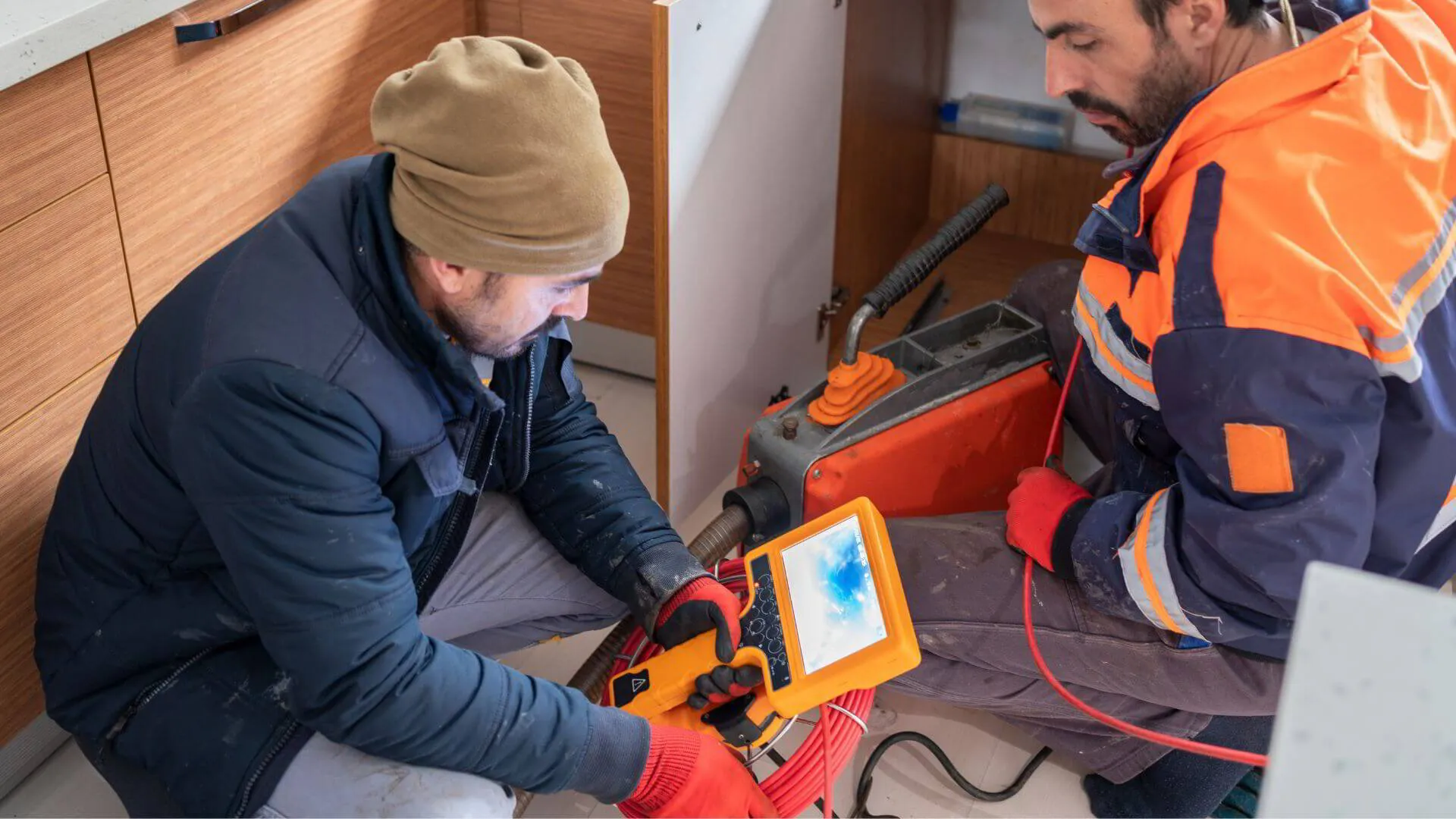
There is nothing quite as frustrating as a drain that refuses to behave. You know that feeling when you are standing in two inches of soapy water in the shower or watching the kitchen sink swirl endlessly without actually draining. It is annoying and, honestly, a bit gross. For years the only way to figure out what was happening deep inside your pipes was to start digging up the yard or cutting holes in the drywall. It was basically a guessing game where your wallet was the loser.
But things have changed for the better. Now we have high tech cameras that can travel through your plumbing like a tiny submarine. It takes the mystery out of the equation. Whether you are dealing with a stubborn clog or you are worried about the health of your home’s main line this guide will show you exactly how video inspection works and why it is the smartest move you can make for your house. If you are already dealing with a backup and need help right now you can check out our emergency plumbing services in Bradenton and Sarasota to get a pro out there fast.
What you need to know before the camera goes in
You do not actually need to buy any gear yourself because these camera rigs are professional grade and quite expensive. But you do need to be prepared. Before a plumber arrives for a sewer camera inspection there are a few things that make the process smoother.
First you need an accessible cleanout. This is a capped pipe usually located outside your home or in a crawlspace that provides a direct path to your main sewer line. If your cleanout is buried under three feet of mulch or hidden behind a bush you will want to clear that area.
Also it helps if the water has had a chance to settle. If the pipes are full of murky sewage the camera cannot see a thing. It is like trying to drive through a blizzard with no headlights. Sometimes we have to perform a drain cleaning first just to clear the path so the lens stays clean enough to give us a clear picture of what is actually going on down there.
Step by step walkthrough of a video inspection
Locating the entry point and prepping the line
The first thing we do is find the best place to insert the cable. Usually this is that main cleanout I mentioned earlier. If your house is older and does not have a cleanout we sometimes have to remove a toilet to get the camera into the system. It sounds like a hassle but it is still better than digging.
We check the monitor to make sure the light on the camera head is bright enough. These cameras are built on long flexible rods that are stiff enough to be pushed through bends but flexible enough not to get stuck.
Inserting the camera and navigating the turns
As we push the camera into the pipe we are watching a high definition screen in real time. It is a bit like watching a weirdly fascinating movie of your own plumbing. We are looking for the flow of water and any signs of trouble.
The camera has a transmitter inside it. This is the cool part. If we find a problem we can use a handheld locator device above ground to pinpoint exactly where the camera is. That means if there is a break under your driveway we can mark the exact spot on the concrete rather than guessing where to start jackhammering.
Identifying the culprits
This is where the diagnosis happens. We are looking for several specific things that tend to wreck plumbing systems.
- Root Intrusion: Tree roots love the water and nutrients inside your sewer pipes. They will find a tiny crack and grow into a massive bird nest of roots that catches everything you flush.
- Pipe Bellies: This is a fancy way of saying the pipe has sagged. When the ground shifts the pipe can lose its slope and water starts to pool which leads to constant backups.
- Corrosion or Scale: Especially in older cast iron pipes the inside can get crunchy and rough. This catches toilet paper and debris until a blockage forms.
- Offset Joints: This happens when two sections of pipe no longer line up perfectly creating a ledge that snags waste.
Recording and reviewing the findings
A good inspection is not just about seeing the problem once. We record the entire trip. This is vital for insurance claims or if you are in the middle of a home purchase. It gives you a digital record of the state of your pipes. Once we find the issue we can discuss the best way to fix it which might involve something like trenchless pipe repair to save your landscaping.
Troubleshooting the inspection process
Sometimes the camera hits a wall. Literally. If a pipe is completely collapsed, the camera cannot pass through it. In these cases we can only see up to the point of the break. You might think that is a failure but it actually tells us exactly where the most severe damage is.
Another issue is grease. If you have been pouring bacon fat down the drain for years the camera lens can get coated in a white film. If this happens we usually have to pull the camera out and clean it or use a hydro-jetter to wash the pipes before we try again.
If the screen goes black it is usually a dead battery or a loose connection in the cable reel. It happens to the best of us. Real plumbing is a bit messy and the gear takes a beating so we always make sure everything is charged and ready before we start.
Pro tips for a better diagnosis
I always tell homeowners to watch the screen with the plumber. Ask what you are looking at. A good tech will point out the difference between a minor buildup and a structural crack.
Look for the water level in the pipe. If the camera goes underwater for a few feet and then comes back out you have a belly in the line. That is something a simple snake will never fix permanently.
Also keep in mind that a camera inspection is not just for when things are broken. If you are buying a new home I strongly believe a sewer scope is just as important as the general home inspection. You do not want to move in and find out a week later that the main line under the house is shattered. It is a small investment that can save you thousands of dollars in surprise repairs.
Summary of why this matters
Plumbing used to be a lot of maybe this and “let’s try that.” It was expensive and invasive. The Ultimate Guide to Video Inspection for Plumbing Diagnosis shows that we do not have to live like that anymore. By using a camera we get the truth. We see the roots. We see the cracks. We see the toy car your toddler flushed three weeks ago.
When you have a clear picture you can make a smart decision. You stop paying for temporary fixes and start investing in real solutions. It gives you control back over your home.
If your drains are acting up or you just want that peace of mind knowing your pipes are in good shape we can help you out. You can reach out to us to schedule a visit or ask questions about how we can help keep your home running smoothly.
Would you like me to walk you through the differences between traditional pipe replacement and the newer trenchless methods we can use once we find a problem with the camera?


Comments are closed