


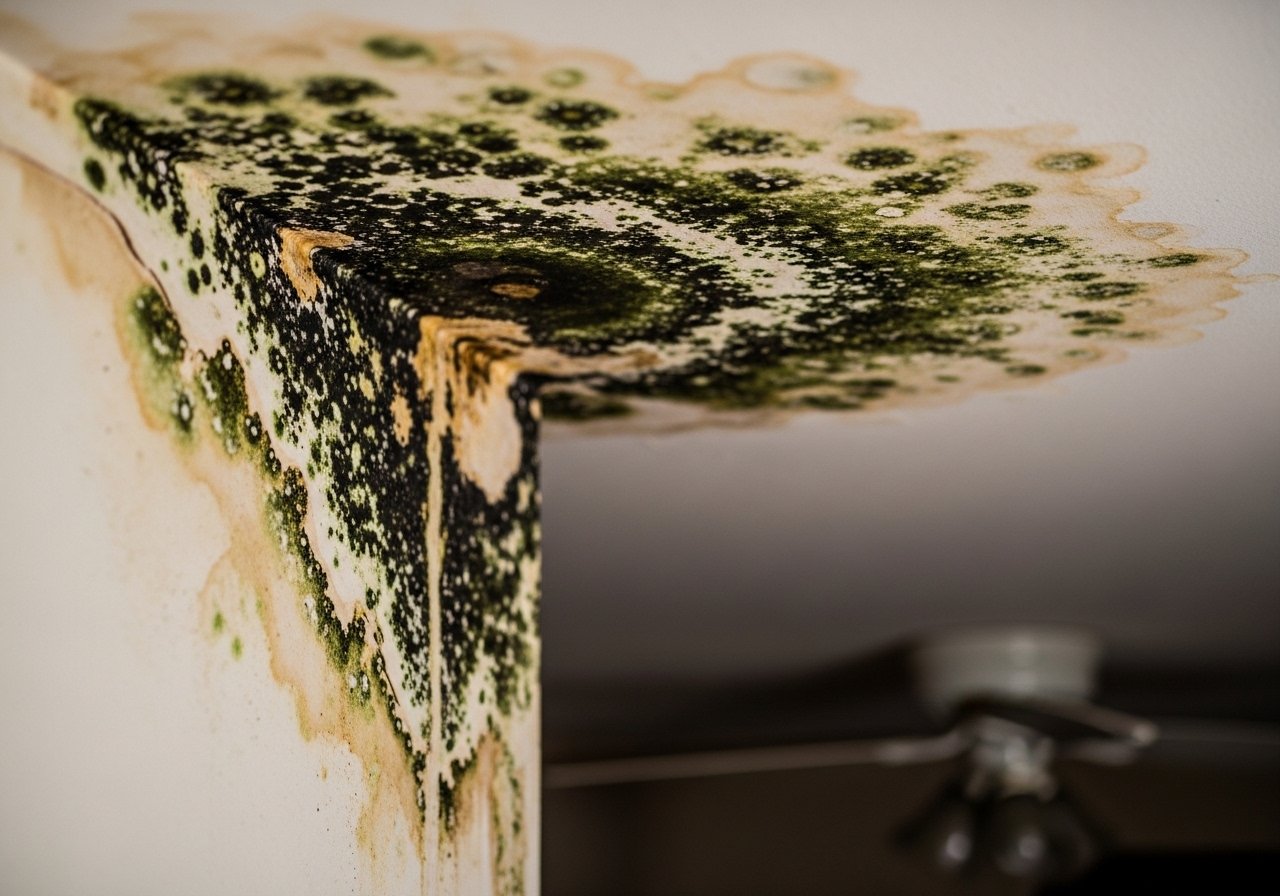
If you’ve discovered a water leak in your Bradenton home — whether it’s a dripping pipe under the sink, a slow slab leak, or a burst supply line — your first instinct might be to dry things up and monitor the situation. That instinct can cost you thousands of dollars.
In Bradenton, Florida, mold doesn’t wait. Thanks to the region’s consistently high humidity, warm temperatures year-round, and the naturally moist environment around Manatee County, mold spores can begin colonizing wet surfaces faster than almost anywhere else in the United States. Understanding the timeline — and knowing exactly what to do at each stage — can be the difference between a simple plumbing repair and a full-scale mold remediation project.
This guide covers everything Bradenton homeowners need to know: how fast mold really grows after a water leak, what factors accelerate it in Florida’s climate, and the precise steps you should take to protect your home and family.
Why Bradenton’s Climate Makes Mold Worse Than Almost Anywhere Else
Before we get to the timeline, it’s important to understand why Bradenton is a particularly risky environment when it comes to mold after water damage.
Bradenton sits on Florida’s Gulf Coast in Manatee County, where average summer temperatures regularly exceed 90°F and relative humidity stays above 80% for the majority of the year. Mold spores are already naturally present in outdoor and indoor air throughout the region — they don’t need to be “introduced.” All they need is a moisture source and warmth, and a hidden water leak provides both immediately.
Compared to homes in drier climates like Arizona or Colorado, a water-damaged wall cavity in a Bradenton home faces a dramatically accelerated mold growth timeline. What might take a week or two to become a visible problem in a drier state can become a serious infestation within days here.
Florida’s building construction also plays a role. Many Bradenton homes are built on concrete slabs with limited subfloor air circulation, meaning moisture trapped beneath flooring or inside wall cavities has nowhere to escape. That trapped moisture becomes the perfect environment for mold to thrive, completely hidden from view.
The Mold Growth Timeline After a Water Leak in Bradenton
Understanding what happens hour by hour and day by day after a water leak can help you make faster, smarter decisions.
0 to 24 Hours: The Critical Window
Within the first few hours after a water leak, moisture begins soaking into porous materials: drywall, insulation, wood framing, carpet padding, and subflooring. Mold spores — which are already present in the air — begin settling onto wet surfaces almost immediately.
In Bradenton’s climate, the conditions for mold germination are met almost instantly. Temperatures inside walls and under floors are typically between 75°F and 95°F, humidity is naturally high, and organic materials like drywall paper and wood provide all the nutrients mold needs.
This is the window where acting quickly makes the biggest difference. If you can get a professional to identify and stop the water source within the first 24 hours and begin proper drying, you have the best chance of preventing mold growth entirely.
This is exactly why professional leak detection and repair in Bradenton, FL is such a critical first call. You need to stop the water source — not just dry the surface.
24 to 48 Hours: Mold Begins to Colonize
By the 24 to 48-hour mark, mold spores on wet surfaces have germinated and begun forming hyphae — the microscopic thread-like structures that are the beginning of a mold colony. You likely won’t see or smell anything yet, but the biological process is already underway inside your walls or under your floors.
At this stage, materials that have been continuously wet — not just dampened but saturated — are beginning to be permanently compromised. Drywall that remains wet for 48 hours or more will almost certainly need to be replaced, not just dried.
The threat at this stage is still largely invisible, which is why so many Bradenton homeowners underestimate the urgency of a water leak. Just because you can’t see mold doesn’t mean it isn’t already growing.
3 to 7 Days: Visible Mold Appears
Between three and seven days after a water leak, mold colonies have grown large enough to become visible as spots, patches, or fuzzy growths on affected surfaces. You may also begin to notice a musty or earthy odor — the distinctive smell of microbial volatile organic compounds (mVOCs) being released by active mold.
At this point, the damage has moved beyond a simple plumbing repair. You now have a water damage problem and a mold remediation problem, and the costs are compounding.
Structural materials at the one-week mark may include rotting subflooring, degraded drywall, compromised insulation, and weakened wood framing — all in addition to the original plumbing failure that started the problem.
1 to 3 Weeks: Structural Damage Sets In
If a water leak goes unaddressed for more than a week in a Bradenton home, you’re likely looking at significant structural damage in addition to a mold infestation. Wood framing begins to rot, metal components may rust, and the mold colony itself can expand to cover large areas inside wall cavities and ceiling spaces.
At the two-to-three-week mark, many homeowners first realize there’s a serious problem — they smell something wrong, notice a discolored patch on the ceiling, or see a warped section of flooring. By then, what started as a plumbing repair has become a much larger and more expensive project.
Beyond 3 Weeks: Health Risks and Major Remediation
Mold colonies that have been growing unchecked for more than three weeks can pose serious health risks, particularly for household members with respiratory conditions, allergies, or compromised immune systems. Mold species common in Florida water damage situations include Cladosporium, Penicillium, Aspergillus, and in severe cases, Stachybotrys chartarum (commonly called “black mold”).
Full remediation at this stage typically involves licensed mold remediation contractors, removal and replacement of significant structural materials, and an air quality testing process — costs that can reach tens of thousands of dollars.
The Most Common Sources of Water Leaks That Lead to Mold in Bradenton
Not all water leaks are the same, and some are far more likely to lead to hidden mold growth than others. The most dangerous leaks are the ones you can’t see.
Slab leaks are especially common in Bradenton due to the region’s sandy, shifting soil and the prevalence of older copper and CPVC plumbing beneath concrete foundations. A slow slab leak can silently saturate your flooring and lower walls for weeks before a homeowner notices anything. Calling a professional for expert pipe repair and replacement in Bradenton as soon as you suspect a slab issue is critical to preventing extensive mold damage.
Behind-wall supply line leaks from aging connections at sinks, toilets, dishwashers, and washing machines are another frequent culprit. These leaks saturate wall cavities silently and are often only discovered when mold has already taken hold.
Drain line leaks and sewer-adjacent moisture from compromised drain pipes or backed-up drains can introduce both water damage and contamination simultaneously. If you notice slow drains throughout your home alongside unusual odors, consider professional drain cleaning services in Bradenton as part of your response plan.
Roof and window intrusion leaks following Bradenton’s summer storm season can allow rainwater into attic spaces and wall cavities, creating prolonged moisture conditions that are ideal for mold growth.
Warning Signs You Have a Mold-Risk Water Leak in Your Bradenton Home
Because the most dangerous leaks are hidden, you need to know the indirect signs that moisture is accumulating somewhere it shouldn’t be:
- Unexplained increases in your Manatee County water bill with no change in your usage habits
- A musty or earthy smell in specific rooms, closets, or areas of your home that doesn’t go away
- Visible discoloration, bubbling, or warping on walls, ceilings, or floors
- Warm spots or soft spots on tile or hardwood floors, particularly near the center of a room
- Sound of running water when no fixtures are in use
- Increased allergy symptoms or respiratory irritation experienced by household members at home
If you notice more than one of these signs at the same time, the probability of an active, hidden water leak is high. Time matters — these are not symptoms to monitor and wait on.
What To Do Immediately After Discovering a Water Leak in Bradenton
Acting in the right sequence is just as important as acting quickly. Here is the step-by-step process Bradenton homeowners should follow:
Step 1: Stop the Water Source
Your very first priority is stopping water from continuing to flow into the affected area. Locate your main water shutoff valve — typically near the water meter or where the main supply line enters your home — and turn it off. For appliance-specific leaks, use the individual shutoff valve behind the toilet, under the sink, or behind the washing machine.
Do not skip this step even if the leak appears minor. A slow, continuous drip is more dangerous from a mold perspective than a sudden flood that gets noticed and addressed immediately.
Step 2: Call a Professional for Leak Detection — Not Just Surface Drying
This is the step most Bradenton homeowners skip, and it’s the one that leads to expensive outcomes. Many people call a water damage company to dry the visible surfaces, without first confirming that the original water source has been fully located and fixed. The result is that drying efforts are undermined by ongoing moisture from the unresolved leak.
Professional leak detection and repair in Bradenton uses non-invasive technology — thermal imaging, acoustic listening devices, pressure testing — to find the exact source of moisture inside your walls, under your slab, or beneath your flooring without unnecessary demolition. This step must happen before or in parallel with any drying efforts.
If you suspect the situation is urgent — a large active leak, signs of structural damage, or water near electrical components — contact an emergency plumber in Bradenton, FL immediately. Do not wait for a scheduled appointment.
Step 3: Remove Standing Water and Begin Drying
Once the leak source is confirmed and stopped, begin removing standing water using mops, wet-dry vacuums, or towels. Open windows and doors if outdoor humidity is lower than indoor humidity (check your weather app — in Florida’s summer months, outdoor humidity may actually be higher, making opening windows counterproductive). Run air conditioning to both cool and dehumidify the air.
For any significant water intrusion, professional-grade dehumidifiers and air movers are far more effective than household fans. A water damage restoration company can deploy these within hours.
Step 4: Document Everything for Insurance
Florida homeowners’ insurance policies typically cover sudden and accidental water damage, but may exclude gradual leaks or mold that results from failure to act promptly. Before moving or discarding any water-damaged materials, photograph and video document everything thoroughly. Note the date and time the leak was discovered.
Keep all receipts for plumbing services, drying equipment rentals, and any emergency repairs. A professional assessment report from your plumber documenting the source and nature of the leak is a valuable component of a successful insurance claim.
Step 5: Address the Root Plumbing Cause Permanently
After the immediate drying and mold prevention steps are handled, address the underlying plumbing failure completely. Temporary patches and “watch and wait” approaches are not appropriate responses to a leak that has caused moisture infiltration in a Bradenton home.
Depending on the source, this may involve trenchless pipe repair in Bradenton for slab leaks or underground pipe failures — a method that resolves pipe problems without excavating your floors or landscaping — or complete pipe section replacement for severely corroded or compromised supply lines. A full assessment from a licensed plumber will clarify the best long-term solution for your specific situation.
How to Prevent Mold from Water Leaks in Bradenton Long-Term
The best mold remediation is mold that never starts. Bradenton homeowners can significantly reduce their risk with a few proactive measures:
Schedule regular plumbing inspections. Pipes in Florida’s soil environment age faster than in many other climates due to soil chemistry and temperature cycling. An annual inspection of your supply lines, shutoff valves, and visible drain connections can catch developing problems before they become active leaks.
Watch your water meter. Once a month, turn off all fixtures in your home and observe your water meter for 15 minutes. Any movement indicates an active leak somewhere in your system.
Know your shutoff valve locations. Every adult in your household should know where the main water shutoff is and how to operate it. In a leak emergency, every minute counts.
Maintain your air conditioning. A properly functioning AC system is your first line of defense against Bradenton’s ambient humidity. Keep units serviced and filters clean to maintain effective dehumidification.
Don’t ignore early warning signs. A higher-than-usual water bill, a new musty smell in one room, or a soft spot on a floor — any of these can be the earliest indicator of a developing leak situation. Addressing them immediately is always less expensive than waiting.
Final Thoughts: In Bradenton, Fast Action Is Everything
The question isn’t really “how fast does mold grow after a water leak in Bradenton?” — because the answer is simple and sobering: within 24 to 48 hours, the biological process has already begun. The real question is how fast you act.
Every hour between a water leak and professional intervention narrows your options and increases your costs. In a climate as warm and humid as Bradenton’s, there is no such thing as a minor water leak that can wait until next week.
If you’ve noticed any signs of a hidden leak, don’t wait for mold to confirm what your instincts are already telling you. Contact Redemption Plumbing Services for professional leak detection and repair in Bradenton, FL today. Our licensed plumbers use non-invasive technology to find hidden moisture fast — before it becomes a mold problem, a structural problem, or both.
Redemption Plumbing Services 📍 2908 Florida Blvd, Bradenton, FL 34207 📞 (941) 541-7473 🕐 Available 24/7


Comments are closed