


Sarah called us on a Tuesday morning. Her water bill had jumped from $120 to $340 in one month, and she had no idea why.
We found the problem in about ten minutes. A toilet in her guest bathroom – the one nobody really uses – had a flapper that wasn’t sealing. Water was trickling into the bowl 24/7. For probably three months based on the wear we saw. All that wasted water, all that wasted money, happening in a room she walked past every day without noticing.
The fix cost $50. The wasted water over those three months? Probably $500-600. And she only caught it because her bill got so high she knew something was wrong.
Here’s the thing about that situation. A regular plumbing inspection would have caught that problem before it wasted a single dollar. We check toilets, we test for leaks, we look for exactly this kind of thing. That’s what inspections do – they find the problems you don’t know you have, before they cost you real money.
If you haven’t had your plumbing inspected in a while, Redemption Plumbing Services can help. We provide thorough residential plumbing inspections that actually find issues before they become expensive problems. Call (941) 541-7473) or email Getgreatservice@redplbg.com. We’re available 24/7, licensed (CFC1431820), and based at 3101 16th Avenue West, Bradenton, Florida 34205.
What Regular Plumbing Inspections Actually Are
An inspection isn’t fixing things. It’s looking at your plumbing system to see what condition it’s in, what’s working, what’s not, and what’s going to fail soon if you don’t do something about it.
Think of it like going to the dentist. They’re not drilling cavities every time you go. They’re checking to make sure you don’t have cavities forming. Catching small problems when they’re still small.
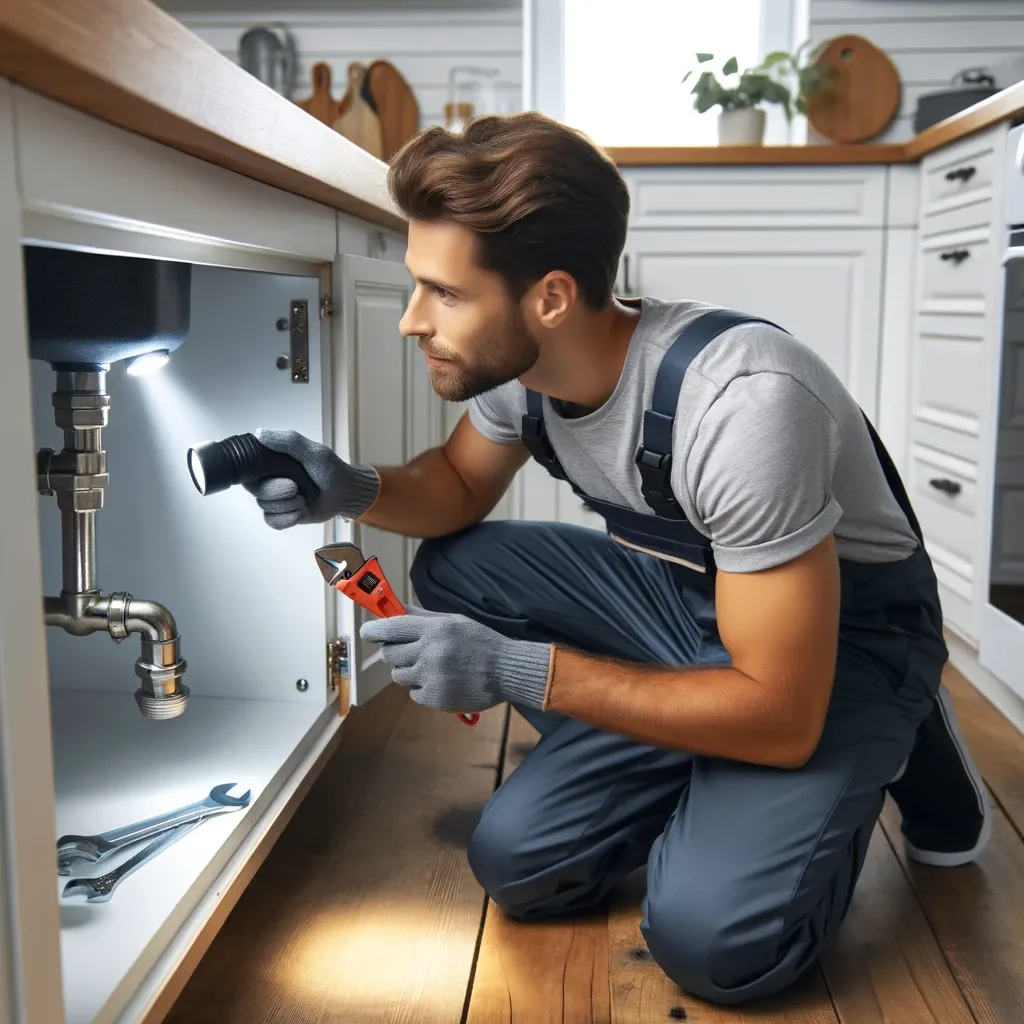
A good plumbing inspection covers everything. Water heaters, drain lines, supply lines, fixtures, visible pipes, water pressure, shutoff valves – all of it. We’re looking for leaks, corrosion, wear, clogs developing, components approaching end of life, code violations, and anything else that could become a problem.
It typically takes 1-2 hours for a thorough inspection of an average house. Longer if it’s a bigger home or if we find things that need closer examination.
You get a report of what we found, what condition things are in, what needs attention now, and what you should keep an eye on for the future. No surprises six months from now – you know what’s coming.
Why Most People Skip Inspections Until It’s Too Late
Nobody thinks about their plumbing until it stops working. That’s just human nature. If everything’s flowing and flushing and heating, why would you?
But plumbing doesn’t fail suddenly out of nowhere. It fails gradually over time, showing signs if you know what to look for. A small drip becomes a leak. A slow drain becomes a backup. A water heater that’s accumulating sediment becomes a water heater that fails and floods your garage.
I’ve seen homeowners spend $5,000 fixing water damage that could have been prevented with a $200 inspection. I’ve seen water heaters that could have been maintained for years instead get replaced because nobody noticed the warning signs until it was too late.
The crazy part is that most homeowners are paying for problems right now and don’t realize it. That running toilet wastes about $200 a year. Those small leaks under sinks add up to real water bills. The water heater that’s full of sediment is using 20-30% more energy to heat your water.
Regular inspections catch all of that stuff. You stop wasting money, you prevent damage, and you extend the life of your plumbing components. It pays for itself pretty quickly.
What We Actually Find During Inspections
Let me tell you what comes up constantly when we inspect homes that haven’t been checked in a while.
Hidden leaks are everywhere. Under sinks where they drip into cabinets slowly rotting the wood. At toilet bases where water seeps into the floor. At water heater connections where it’s been dripping for months. Supply lines that are weeping at connections. These waste water, cause damage, and cost money every single day they’re not fixed.
Toilet problems beyond running flappers. Wax rings that are deteriorating. Fill valves that aren’t shutting off properly. Tanks that are cracked but not leaking yet. Bowl rings that are starting to separate. All of these get worse over time until you’ve got a real problem.
Water heater issues show up in almost every inspection of homes where the heater hasn’t been maintained. Sediment buildup that reduces efficiency. Anode rods that are completely corroded. Pressure relief valves that are stuck. Connections that are starting to corrode. The tank itself showing signs of internal corrosion.
These things don’t fix themselves. They get worse until the water heater fails, usually in a way that creates a flood.
Drain line problems developing. Slow drainage that homeowners have gotten used to. Partial clogs that haven’t become full blockages yet. Tree roots starting to intrude into sewer lines. Pipe bellies where water pools. Corrosion inside older pipes.
A camera inspection of your main sewer line shows exactly what’s happening in there. You can see roots, cracks, blockages forming – and deal with them before sewage backs up into your house.
Fixture wear that’s not obvious until you’re looking for it. Faucets with washers that are wearing out. Showerheads with reduced flow from mineral buildup. Garbage disposals that are struggling. Washing machine supply lines that are getting brittle.
All of this stuff is on a timeline to failure. Inspections tell you where on that timeline each component is, so you can plan instead of panic.
The Money Part Nobody Talks About
Let’s be direct about costs because that’s probably what you’re thinking about.
A plumbing inspection costs $150-300 depending on the size of your house and what’s included. That’s not nothing, but compare it to what you’re avoiding.
Water damage from a leak you didn’t know about? $2,000-10,000 depending on extent. Sewer backup because tree roots completely blocked your line? $3,000-8,000 for line repair plus cleanup. Water heater failure that floods your space? $1,500-3,000 for replacement plus water damage repair.
I had a customer who spent $18,000 dealing with mold from a slow leak in a wall that went undetected for over a year. An inspection would have caught that when it was still just a $150 pipe connection fix.
Beyond preventing disasters, inspections save money on utilities. We find running toilets, dripping faucets, inefficient water heaters, pressure issues – stuff that’s costing you $20-50 monthly. Over a year, that’s $200-600 you’re just throwing away.
And there’s the extending-life-of-components angle. A water heater that gets regular maintenance lasts 12-15 years. One that doesn’t lasts 7-10 years and fails messively. That’s thousands of dollars difference in lifetime cost, not counting the emergency replacement premium and damage costs.
Regular inspections aren’t an expense. They’re insurance against bigger expenses.
How Often You Actually Need Inspections
The answer depends on your specific situation, but here are some general guidelines.
Annual inspections make sense for most homes. Once a year, have someone look at everything and make sure it’s all working properly. Think of it as your plumbing’s annual physical.
Older homes – we’re talking 20+ years old – might benefit from inspections twice a year. Components are aging, systems are wearing out, and things fail more frequently. You’re trying to stay ahead of problems rather than just maintaining working systems.
Before buying a home, get a dedicated plumbing inspection beyond what the general home inspector does. Home inspectors look at plumbing, but they’re not plumbing specialists. We dig deeper and find things they miss.
After major events like flooding, hurricanes, or any situation where your plumbing took a hit, get an inspection. You want to make sure everything’s actually okay, not just appearing to work.
If your water bill spikes unexpectedly, that’s not a scheduled inspection but it’s a signal you need one. Something’s using water and you need to find out what before it costs you more.
What Redemption Plumbing Looks For
When we do inspections, we’re being thorough in ways that matter for keeping your home safe and your plumbing working.
We start with the water heater because it’s the most likely thing to fail catastrophically. Checking for leaks, corrosion, sediment, proper temperature, pressure relief valve function, anode rod condition, and any signs the tank’s approaching end of life.
We inspect all visible supply lines – hot and cold water pipes. Looking for corrosion, leaks, proper support, adequate pressure, signs of previous repairs that might be failing.
We check every fixture. Toilets for leaks, proper flushing, tank components wearing out. Sinks for drain leaks, supply leaks, proper operation. Showers and tubs for mixing valve issues, drain problems, fixture wear.
We look at your main sewer line, either visually or with a camera if needed. Checking for backups developing, root intrusion, pipe damage, proper slope, any issues with the line from your house to the street connection.
We test water pressure and flow. Too high and it’s wearing out everything faster. Too low and there’s a restriction or problem somewhere.
We examine shutoff valves throughout your house to make sure they actually work. You’d be surprised how many shutoff valves are frozen in place from never being used. In an emergency, you need these to function.
We document everything. What we checked, what condition it’s in, what needs attention, what’s fine, what to watch. You get a clear record of your plumbing system’s health.
Getting Your Home Inspected
If you’ve never had a plumbing inspection or it’s been years, now’s a good time to schedule one. You’re not behind – you’re just getting started with preventive maintenance.
At Redemption Plumbing Services, we do thorough inspections that actually find problems before they become expensive disasters. We serve homes throughout our service areas and we’re available 24/7 for when you need us.
Call (941) 541-7473), email Getgreatservice@redplbg.com, or visit us at 3101 16th Avenue West, Bradenton, Florida 34205. Licensed (CFC1431820) and insured.
We’ll schedule your inspection, spend the time to check everything properly, explain what we find in plain language, and give you a clear picture of your plumbing system’s condition.
Because Sarah’s $500 water waste could have been prevented with a $200 inspection. That’s the math that matters. Find problems when they’re small, fix them before they’re expensive, and keep your plumbing working the way it should.
Let’s make sure your home isn’t wasting money on problems you don’t even know you have. Give us a call and let’s get you scheduled.


Comments are closed