


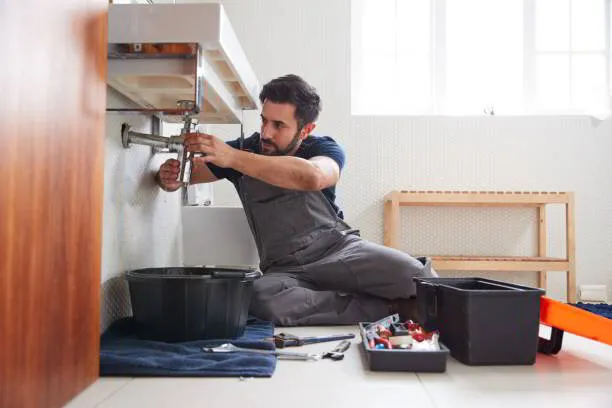
Mastering Your Home Pipes in Manatee County
It is a common scenario for many of us living here in the Sunshine State. You are enjoying a quiet evening at home when you notice a slow puddle forming under the kitchen sink or hear the ominous sound of a toilet that just will not stop running. In Manatee County, our plumbing systems face unique pressures from high humidity and mineral-rich water that can lead to unexpected breakdowns.
Honestly, many homeowners feel a bit helpless when it comes to the pipes hidden behind their walls. But maintaining a healthy home shouldn’t be a mystery. By following a few residential plumbing tips, you can move from reacting to emergencies to proactively protecting your property. At Redemption Plumbing, we believe that a little bit of knowledge goes a long way in preventing a minor drip from becoming a major flood.
This guide walks you through the essential steps of home plumbing care. Whether you are in Bradenton or Parrish, these steps will help you maintain your system like a professional. If you find yourself in over your head, remember that we are located at 3101 16th Avenue West in Bradenton and are available 24/7 at (941) 541-7473 or through Getgreatservice@redplbg.com.
Prerequisites and Preparation
Before you begin inspecting your home, you will need a few basic items to make the process effective. You do not need a truck full of industrial gear, just a few simple tools to help you see what is happening under the surface.
- A reliable flashlight with fresh batteries.
- A pair of work gloves to protect your hands from sharp edges or grime.
- A bucket to catch water during inspections.
- A basic set of wrenches for minor tightening.
- A dry cloth or paper towels to check for slow, “invisible” leaks.
Having these ready ensures you can handle small adjustments on the spot without having to run back and forth to the garage.
Step-by-Step Guide to Home Plumbing Health
1. Execute a Visual Inspection of All Fixtures
Start by walking through every room in your house that has a water connection. Open the cabinets under your sinks and use your flashlight to look at the joints and valves.
Look for any signs of green corrosion on copper pipes or white mineral crust on shut-off valves. Take a dry paper towel and run it along the bottom of the pipes. If the towel comes away damp, you have a slow leak that needs immediate attention. Small drips are the primary cause of cabinet rot and mold growth in Florida homes.
2. Perform a Stress Test on Shut-Off Valves
In Manatee County, the salt in our air can cause metal components to seize up over time. Go to the valves behind your toilets and under your sinks. Gently try to turn them off and then back on again.
If a valve feels stuck, do not force it with all your might because you could snap the stem and cause a flood. If it is frozen, it is time to call for faucet repair and installation to have the valve replaced. Ensuring these work is critical for those moments when you need to kill the water fast during a burst pipe.
3. Clear Your Drains Using Natural Methods
Instead of using harsh chemicals that eat away at your pipes, use mechanical and natural methods to keep things flowing. Once a month, pour a cup of baking soda followed by a cup of vinegar down your kitchen and bathroom drains.
Let it fizz for ten minutes and then flush it with a gallon of boiling water. This breaks up the soap scum and grease that lead to major clogs. If your drains are still sluggish after this, you might need professional drain cleaning services to clear the deeper lines.
4. Monitor Your Water Heater Health
Your water heater is a silent workhorse that often gets ignored until the water turns cold. Check the base of the tank for any signs of moisture or rust. If you hear a popping or rumbling sound when the unit is running, it means sediment has built up at the bottom.
Draining a few gallons of water from the bottom valve into a bucket once a year will help remove this sediment and prolong the life of the unit. For more complex issues, our water heater services can ensure your system is operating efficiently and safely.
5. Check for Underground and Slab Leaks
Walk around the exterior of your home and look for unusually green patches of grass or puddles that never seem to dry up. Inside, feel for warm spots on your tile floors. These are classic signs of a leak under your concrete slab.
Because we live in an area with shifting sandy soil, pipes can crack or shift under the foundation. If you suspect a hidden leak, we utilize advanced leak detection and repair technology to find the exact spot without unnecessary digging.
Troubleshooting Common Issues
If you encounter a problem during your inspection, here are the most likely solutions.
- Low Water Pressure at One Faucet: This is usually a clogged aerator. Unscrew the faucet tip and soak it in vinegar to remove mineral deposits.
- Gurgling Sounds in the Walls: This often points to a venting issue or a partial clog in the main line. You may need a sewer camera inspection to see what is blocking the flow.
- Garbage Disposal Jammed: Use the hex wrench that came with the unit to manually turn the blades from the hole at the bottom of the motor. This usually clears most jams without needing a new unit.
Expert Insights for Long-Term Pipe Health
Here is the truth about plumbing in our region. Many of the issues we see are completely preventable. One of the best residential plumbing tips I can give is to stop using your toilet as a trash can. Even items labeled as flushable do not break down in our sewer systems and are the number one cause of emergency calls.
Also, be mindful of your water pressure. High pressure feels great in the shower, but it is like high blood pressure for your house. It wears out your gaskets, valves, and appliance connections. We recommend keeping your home’s pressure between 40 and 60 psi to prevent premature failure of your plumbing system.
For those with older homes, consider a yearly membership plan. Having a professional eye on your system once a year is the most cost-effective way to avoid a five-figure repair bill down the road.
Summary and Next Steps
Maintaining your plumbing system in Manatee County requires a mix of common sense and consistency. By performing these inspections every few months, you are taking ownership of your home’s infrastructure and preventing the stress of a sudden emergency.
To recap your action plan:
- Inspect all visible pipes and connections for moisture.
- Exercise your shut-off valves to keep them functional.
- Flush your water heater to remove sediment.
- Monitor your water bill for unexplained spikes that indicate hidden leaks.
If you find a problem that requires a licensed and insured professional, Redemption Plumbing is ready to help. We are LIC #: CFC1431820 and have been serving this community with integrity for years. We are available 24/7 at (941) 541-7473 to handle everything from a leaky faucet to emergency sewer repairs.


Comments are closed