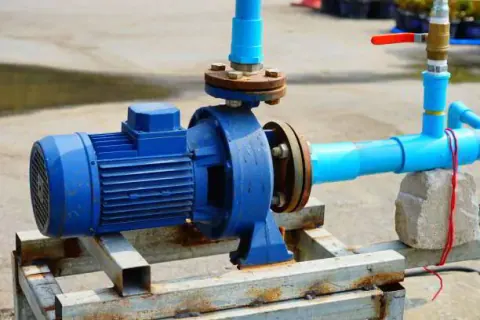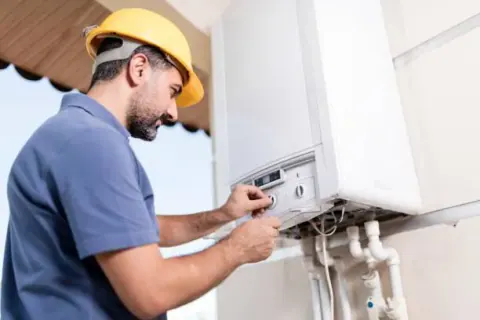

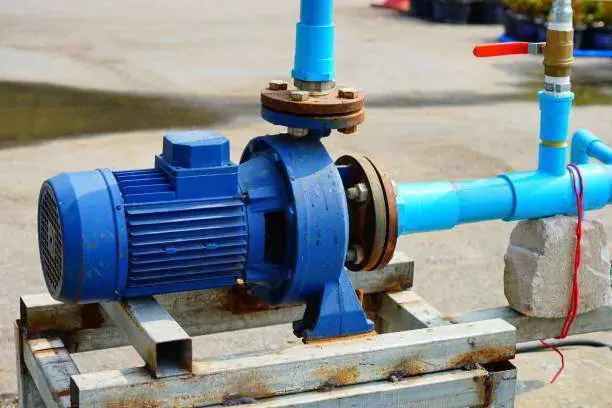
Ask most people up north about sump pumps and they will picture a basement. Bradenton homes are mostly built on concrete slabs with no basement at all, so it is fair to wonder whether a sump pump in Bradenton is ever necessary. For many homes the answer is no. For some properties, though, a well-placed pump with battery backup is one of the most practical ways to keep storm water out during hurricane season.
This guide helps you work out which group you fall into, and if a pump makes sense, how to choose, place and maintain one so it works when the rain will not stop.
Why a sump pump in Bradenton is even a question
Our part of the Gulf Coast is flat and low, the water table can sit close to the surface, and summer storms can drop a lot of rain in a short time. When the ground is already saturated, water has nowhere to go but across the surface, and it tends to collect against foundations, in low corners of yards and in any space that sits below the surrounding grade.
Tropical systems add storm surge near the coast and long periods of heavy rain inland. Power outages often arrive at the same time, which is exactly when an ordinary electric pump stops working.
Properties that may benefit from a sump pump
- Homes with a crawlspace that collects standing water after heavy rain.
- Houses with a sunken garage, below-grade room or step-down addition.
- Low lots where water pools against the foundation or under a slab-level patio.
- Yards with a drainage basin or catch area that needs to be pumped to the street or a swale.
- Commercial buildings with elevator pits, mechanical rooms or loading docks below grade.
- Older homes that have a history of water entering after major storms.
If none of those describe your property and you have never had water intrusion, a sump pump is probably not your best investment. Good grading, working gutters and clear drainage paths may do more.
It is also worth separating two different storm problems. Surface water and groundwater coming into a low space is what a sump pump handles. Sewage backing up through floor drains or tubs during a storm is a different issue, related to the sewer line or septic system, and a sump pump will not stop it. If backups are your concern, have the main line and cleanouts checked as part of your storm preparation.
Walk your property during the next heavy downpour and take photos of where water collects and how long it stays. That record is the single most useful thing to show a plumber when deciding on a pump.
How to choose and size a sump pump
If a pump makes sense, the details matter as much as the decision itself:
- Pump type: submersible pumps sit in the pit and run quieter; pedestal pumps keep the motor above water and are easier to service. Most residential installations use submersibles.
- Capacity: the pump must move water faster than it flows in during the worst storms, at the height it needs to lift that water. Bigger is not always better, as an oversized pump short-cycles.
- Switch type: vertical and electronic float switches are less likely to snag in a small pit than tethered floats.
- Discharge route: water must be carried well away from the foundation, never into the sanitary sewer, and in a direction that does not flood a neighbor.
- A check valve on the discharge line, so pumped water does not flow back into the pit.
Battery backup is not optional here
Hurricanes and tropical storms frequently knock out power for hours or days, and that is when a pump is needed most. A battery backup system keeps a secondary pump running when the main one loses power or fails. Options include a second, battery-powered pump in the same pit or combination units with both pumps built in.
Backup batteries have a limited run time, so choose one sized for the amount of water your pit actually collects, and keep a spare charged battery on hand if long outages are common in your neighborhood.
If you own a generator, plan in advance how the pump will be connected and test it before the season starts. Never run a generator indoors or in a garage.
Pre-season maintenance checklist
Before the start of hurricane season, and again before any named storm, run through these steps:
- Pour water into the pit until the float lifts, and confirm the pump starts, empties the pit and shuts off.
- Clear debris, sand and silt from the pit and inlet screen.
- Check the discharge line outside for blockages, crushed sections or disconnections.
- Test the backup battery and replace it if it no longer holds a charge.
- Make sure the alarm, if your system has one, sounds when the water level rises.
Our guide to signs a sump pump is failing during a Florida rainstorm covers the symptoms to watch for once the season is underway. For the bigger picture on emergencies, see what to do while waiting for an emergency plumber.
Getting professional advice before the storms
Redemption Plumbing offers storm-prep inspections that look at how your property handles water, including sump pumps, drains and main line cleanouts. If a pump is the right answer, our sump pump installation and repair service can help with sizing, placement, discharge routing and backup systems. For a breakdown of what affects the price, read our sump pump installation cost guide.
Call (941) 541-7473 for a free phone estimate with upfront pricing approved before work begins. If water is already coming in, our 24/7 emergency plumbing line is the place to start.