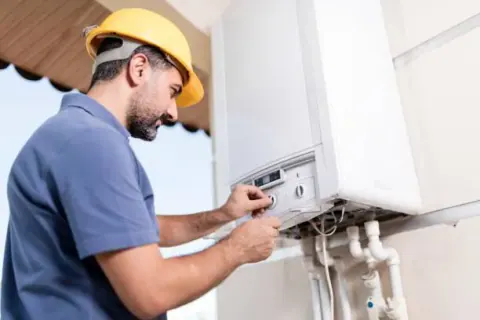

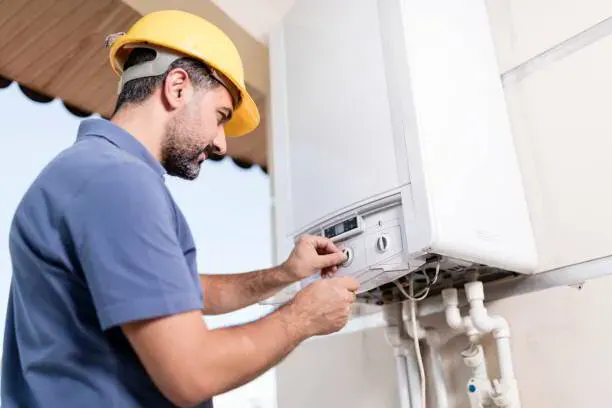
Most water heaters do not simply wear out. They get worn down by sediment, corrosion and pressure that nobody was watching. If you want to prolong your water heater's lifespan in a Manatee or Sarasota home, the good news is that the habits that matter most are simple, cheap and mostly a once-a-year job.
Our area adds two complications: mineral-rich water that settles in the bottom of the tank, and garages and utility closets that run hot and humid much of the year. The five tips below are aimed squarely at those conditions. None of them can rescue a tank that is already leaking, but all of them help a healthy unit stay that way longer.
Tip 1: Flush the tank before sediment hardens
When water is heated, dissolved calcium and magnesium drop out and settle on the tank floor. In a gas heater that layer sits between the burner and the water, so the flame works harder and the steel overheats. In an electric heater, the lower element can end up buried in scale and burn out early.
A flush drains that loose sediment out through the drain valve before it bakes into a hard crust. For many homes here, once a year is a sensible rhythm; homes with very hard water or heavy hot-water use may benefit from more frequent flushing. If you have never flushed an older tank, have a plumber do the first one, because years of buildup can clog an old plastic drain valve or keep it from closing again.
Turn off the power or set a gas unit to pilot before draining, and never run an electric heater with the tank partly empty. A dry element burns out in seconds.
Tip 2: Check the anode rod every few years
Inside every glass-lined steel tank is a sacrificial anode rod, usually magnesium or aluminum. It corrodes on purpose so the tank wall does not. Once the rod is eaten down to bare wire, the water starts attacking the steel, and that is when pinhole leaks begin.
Hard water tends to coat and consume anodes faster, so we suggest having the rod pulled and inspected every few years, and sooner if you notice a rotten-egg smell in the hot water only. Replacing a worn anode is one of the most cost-effective things you can do for a tank that is otherwise in good shape. Some tanks have limited overhead clearance, which is where a flexible segmented rod comes in handy.
Tip 3: Set a sensible temperature
Many heaters leave the factory set hotter than most households need. Every extra degree speeds up mineral precipitation and puts more stress on the tank, valves and lining, and it raises the risk of scalding. Around 120 degrees Fahrenheit works well for most families and is the setting commonly recommended for safety.
If you regularly run out of hot water at that setting, the answer may be a mixing valve or a properly sized replacement rather than cranking the thermostat. That conversation is worth having before you push an aging tank harder than it was designed for.
Tip 4: Keep pressure under control
Water expands as it heats. In a closed plumbing system, often created by a check valve or pressure-reducing valve at the meter, that expansion has nowhere to go, so pressure spikes every time the burner or element runs. Repeated spikes fatigue the tank and fittings and can make the relief valve drip.
- Ask whether your system needs a thermal expansion tank, and have an existing one checked for a failed bladder.
- Have overall house pressure measured; high street pressure wears out every fixture, not just the heater.
- Lift the temperature and pressure (T&P) relief valve lever once a year to confirm it opens and reseats. If it keeps dripping afterward, call a plumber rather than capping it.
- Make sure the relief valve discharge pipe runs to a safe, visible spot and is never plugged.
Tip 5: Give the heater a healthy place to live
Location matters more than people expect. A gas heater needs clear space for combustion air and a venting path that is intact and correctly sloped. Electric units need dry surroundings for their wiring and controls. Storing paint, pool chemicals or cardboard against the tank invites corrosion and is a fire risk with gas equipment.
Keep the area clear, check the drain pan for moisture whenever you are in the garage, and look at the supply connections for green or white crust. Small drips from a fitting are inexpensive to fix early and very expensive to ignore. A once-a-year professional look ties all five tips together; members of the Redemption Family Plan ($175 per year) get an annual plumbing inspection, priority scheduling and discounts on repairs.
Seasonal homes deserve a special note. If you leave for part of the year, consider turning the heater to vacation mode or off and closing the cold supply valve while you are away. Water that sits warm and still for months can develop odors, and a slow leak in an empty house can run unnoticed for weeks. When you return, run the hot taps for a few minutes before using the water normally.
When maintenance can no longer prolong your water heater's lifespan
Maintenance slows wear; it does not reverse damage. If the tank itself is weeping, if hot water comes out rusty from the tap closest to the heater, or if it rumbles loudly even after a flush, the unit may be past the point where care helps. Our guide to the common signs of a failing water heater walks through those red flags in detail.
If you want to understand why our local water is so hard on tanks in the first place, read how Bradenton's hard water shortens heater life. And when it is time for a new unit, our water heater repair and installation team services tank and tankless models from all major brands, with upfront pricing approved before any work starts. You can also check our complete maintenance guide for a month-by-month routine.