Plumbing emergencies rarely give notice, but they are surprisingly predictable. The same handful of failures account for most urgent calls, and the common plumbing emergencies in Bradenton, FL homes are shaped by our hard water, slab construction, mature trees and summer storms.
Knowing what each one looks like and the first thing to do turns a panicked moment into a manageable one. Here are six that come up again and again, plus a quick way to decide whether yours can wait until morning.
What Makes a Plumbing Problem an Emergency?
A problem is urgent when it is causing damage right now or takes away something your household cannot do without. As a rule of thumb, treat it as an emergency if you have:
- Water spreading that you cannot stop with a fixture valve
- Sewage coming up into a tub, shower or floor drain
- Water near electrical outlets, appliances or the panel
- A gas smell near a gas water heater (leave the house and call the gas utility first)
- No usable toilet or no water at all in an occupied home
A dripping faucet or a single slow drain is annoying but can usually wait for regular hours.
Six Emergencies Bradenton Homes See Most
1. Burst or disconnected supply lines
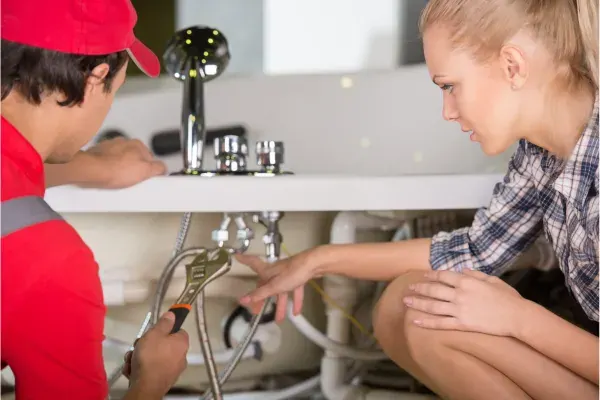
The flexible hoses feeding sinks, toilets and washing machines are the most frequent source of sudden flooding. Hard water and age make the fittings brittle, and one can let go without warning. First move: close the fixture valve or the main shutoff, then shut off power to anything wet.
2. Main sewer line backups
Roots from mature landscaping, grease build-up and older cast iron or clay lines make backups common in established neighborhoods. Wastewater appears in the lowest drain, often a shower. First move: stop using all water in the house so the backup does not get worse.
3. Water heater failures
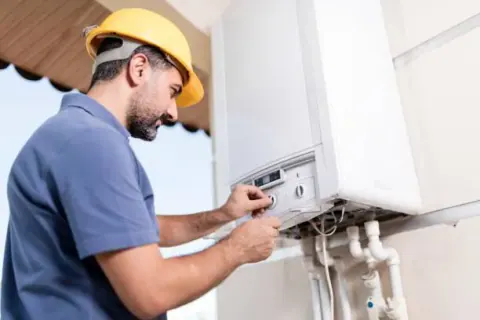
Hard water sediment shortens tank life here, and an old tank can start leaking from the bottom. A leaking relief valve is another warning sign. First move: close the cold-water inlet valve, then turn off the breaker or set a gas unit to pilot. Our emergency water heater replacement team can help if the tank has failed.
4. Slab leaks
Because so many local homes are slab-on-grade, a pinhole in a line under the floor can show up as a warm spot, the sound of running water or a meter that never stops. It becomes an emergency when water surfaces through the floor. First move: shut off the main and call. Our slab leak repair service locates the leak before any concrete is opened.
5. Overflowing toilets
Usually a clog, sometimes a sign of a main line problem if other drains are also slow. First move: close the valve behind the toilet, or lift the tank lid and raise the float to stop the fill.
6. Storm-season flooding and drainage failures
Heavy summer downpours and tropical storms saturate the ground, push groundwater toward foundations and stress sewer lines and septic drain fields. Homes that rely on a sump pump depend on it working at exactly the worst moment. First move: keep water use low and check any pump for power.
Save (941) 541-7473 in your phone now under 'Plumber - Emergency.' When water is on the floor, nobody wants to be searching for a number.
A burst pipe from a nail driven into a wall, a garbage disposal that jams and leaks, and a washing machine that overflows also make regular appearances. They follow the same rule: stop the water first, protect people from electrical hazards, then call for help.
What to Do While You Wait
- Stop the water at the closest valve you can safely reach.
- Keep people and pets away from wet areas near electricity.
- Move valuables, rugs and electronics out of the water's path.
- Take photos and video for your records and your insurer.
- Start removing standing water and running fans if it is safe to do so.
Our article on what to do while waiting for an emergency plumber goes through these steps in more depth.
If you own a rental or a seasonal home, make sure tenants or caretakers know where the main shutoff is and have the emergency number. Many of the worst losses happen in homes where nobody nearby knows how to stop the water.
Take a few minutes to note where your water heater, main valve and electrical panel are in relation to each other. In an emergency, knowing that the breaker for the heater is labeled and reachable saves precious time.
How to Make Emergencies Less Likely
Most of these failures give early hints. Replace old supply hoses before they burst. Flush the water heater and have it checked if it is getting older. Watch for slow drains in more than one fixture. Exercise your shutoff valves so they work when you need them. Before hurricane season, have your plumbing looked over as part of storm prep.
Redemption Plumbing offers storm-prep plumbing inspections, and the Redemption Family Plan ($175 per year) includes an annual inspection with priority scheduling and repair discounts.
Getting Help Any Time of Day
Our emergency line is answered 24/7. Tell us what is happening, which valve you closed and whether any water is near electrical equipment, and we will guide you through the next step. Our 24/7 emergency plumbing service includes free phone estimates and upfront pricing that you approve before work begins, even in the middle of the night.