Sarasota homes ask a lot of their plumbing. Hard water scales fixtures and water heaters, salt air works on anything metal outdoors, summer storms test drains and sewer lines, and many households spend part of the year away. This plumbing guide for Sarasota, FL homeowners organizes the care your system needs by season, so nothing gets missed.
Use it as a calendar. Each season has a short list of checks you can do yourself and a note on when a professional visit makes sense.
The Four Forces Acting on Sarasota Plumbing
- Hard water: minerals build up as scale in water heaters, faucet aerators, showerheads and toilet valves, shortening their life.
- Coastal air: salt-laden humidity corrodes outdoor spigots, exposed valves, water heater fittings in garages and metal fasteners.
- Heavy seasonal rain: saturated ground, high water tables and storm runoff stress sewer lines, septic drain fields and any open cleanouts.
- Seasonal occupancy: a house that sits empty for months can hide a leak for a long time and lets traps dry out.
Winter: High Season Checks
Winter is when many Sarasota homes are fullest, with residents back and guests visiting. Fixtures and the water heater work hardest now.
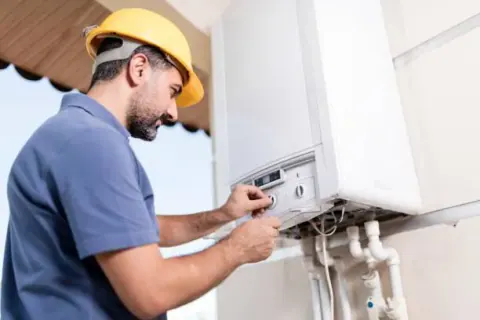
- Test the water heater's temperature and listen for rumbling, a sign of sediment.
- Clean faucet aerators and showerheads to restore flow lost to scale.
- Check that toilets are not running, since extra guests mean extra flushes.
- Watch for slow drains that might signal a main line issue before a full house makes it worse.
If your heater struggles to keep up with a full house, our article on water heater services in Sarasota explains repair and replacement options.
Spring: Leaving for the Summer
If you close up your Sarasota home for part of the year, how you leave it matters as much as anything else on this list.
- Shut off the main water valve, or at minimum the supply to the washer and ice maker.
- Turn the water heater to vacation mode or turn off its power or gas.
- Ask a neighbor or property manager to run water in each fixture every few weeks so traps do not dry out and let sewer gas in.
- Leave the air conditioning set to manage humidity, which helps you avoid mold from any unnoticed moisture.
- Place water sensors by the water heater, washer and sinks, ideally ones that alert your phone.
Before you lock up, take a photo of your water meter reading. When you return, compare it. If the meter moved while the main valve was open and nobody was home, you have a leak to track down.
When you return in the fall or winter, reverse the process slowly. Open the main valve partway, listen for running water, then check under sinks, around toilets and at the water heater before turning it back on. Run each faucet until the flow is steady and any air has cleared, and flush each toilet to refill the traps.
Summer: Rainy Season and Storm Prep
Afternoon downpours and the start of hurricane season put drains and sewer connections under the most pressure. Make sure cleanout caps are in place so storm water and debris cannot enter the line. Clear yard drains and keep mulch and sand away from them.
If your home relies on a sump pump, test it before the wettest months. Septic owners should watch for slow drains or soggy ground over the drain field after long rainy stretches. Redemption Plumbing offers storm-prep inspections that look at these weak points before a storm arrives. Our guide on sump pump warning signs during Florida rainstorms covers what to watch for.
Fall: Recovery and Readiness
After storm season winds down, check for any damage it left behind. Look for new soggy spots in the yard, gurgling drains or sewer odors that might mean shifted or root-damaged lines. A sewer camera inspection is the clearest way to confirm the condition of an older line that has been through heavy rain.
Fall is also a good time to flush the water heater before the busy winter season and to check outdoor fixtures for salt-air corrosion. Replace corroded hose bibbs and exposed valves while it is still a simple job.
Keep a single record for the house: when the water heater was installed and last flushed, when the sewer line was last cleared or scoped, and when the septic tank was pumped if you have one. For seasonal residents, sharing that record with a property manager or neighbor means the right information is available if something happens while you are away.
Older Sarasota neighborhoods often have cast iron drains and mature trees, while newer homes may have plastic lines but heavier irrigation use. Knowing which describes your home helps you focus on the checks that matter most.
Year-Round Habits for Sarasota Homes
A few habits help in every season: keep grease and wipes out of drains, use mesh strainers in showers that see beach sand, review your water bill for unexplained increases, and make sure everyone in the household knows where the main shutoff is. Our water conservation tips for Sarasota also help keep usage and bills down.
Redemption Plumbing serves Sarasota homeowners from our Bradenton office. The Redemption Family Plan, at $175 per year, includes an annual plumbing inspection, priority scheduling and discounts on repairs. Call (941) 541-7473 for a free phone estimate, or use our 24/7 line for emergencies. You can also browse our residential plumbing services.