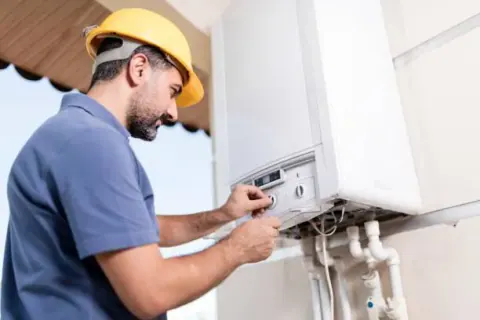
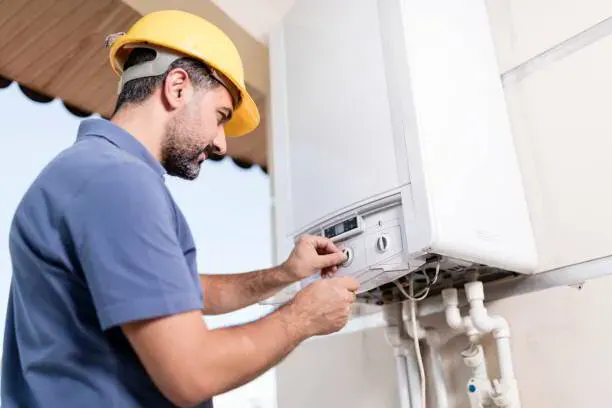
A water heater is one of the hardest-working appliances in a Gulf Coast home, and one of the most ignored until it leaks or goes cold. Good water heater maintenance in Manatee and Sarasota comes down to a handful of tasks done on a regular rhythm, with a few extra steps that our hard water, coastal exposure and seasonal occupancy make especially important.
This guide is organized by how often each task should happen, from quick monthly glances to yearly service, with separate notes for tankless units and homes that sit empty part of the year. Some tasks are easy for homeowners; others are best left to a licensed plumber, and we say which is which.
Why Local Conditions Shorten Water Heater Life
Hard water carries dissolved minerals that drop out when heated. In a tank they settle as sediment, which insulates the water from the burner or lower element, causes rumbling and stresses the tank bottom. In tankless units the minerals coat the heat exchanger. Coastal air adds corrosion to exposed fittings and gas components, especially on heaters in garages or outdoor closets.
Seasonal living is the third factor. Water that sits still in a tank for months, and heaters left running in an empty house, both bring their own wear. Our article on extending water heater life in Manatee and Sarasota covers some of the warning signs in more detail.
Monthly: Quick Visual Checks
These take two minutes and catch most problems early:
- Look at the floor and drain pan around the heater for moisture or rust-colored water
- Check pipe connections at the top of the tank for crusty buildup or drips
- Glance at the end of the relief valve discharge pipe for signs it has been dripping
- Listen for new popping or rumbling, which usually means sediment has built up
- On gas units, make sure the area around the heater is clear of stored items and the flame area is unobstructed
Every Year: Flush, Test and Inspect
Flush the tank
Flushing drains sediment from the bottom of the tank. In hard-water areas, yearly flushing is a reasonable baseline, and some households benefit from doing it more often. If a tank has gone many years without flushing, the drain valve can clog or leak once opened, so an older neglected tank is a good job to hand to a plumber.
Test the temperature and pressure relief valve
The temperature and pressure relief valve is the heater's most important safety device. Testing it means lifting the lever briefly to confirm water flows out of the discharge pipe and stops when released. The water is scalding, so keep hands and feet clear. If the valve does not open, will not reseat or keeps dripping afterward, have it replaced promptly.
Check the anode rod
The anode rod is a metal rod inside the tank that corrodes so the tank lining does not. Hard water can use it up faster. Checking it requires removing it from the top of the tank, which usually takes the right tools and some care, so most homeowners have a plumber inspect it during annual service. Replacing a spent anode is one of the most cost-effective ways to extend tank life.
Set the thermostat to a temperature that meets your needs without being excessive. Many households find around 120 degrees Fahrenheit comfortable; higher settings speed up scale buildup and increase scald risk.
Tankless Water Heaters: Descaling and Filters
Tankless units skip the sediment problem but face scale in the heat exchanger. Annual service typically includes:
- Descaling the heat exchanger by circulating a cleaning solution through the service valves with a small pump.
- Cleaning the inlet water filter screen, which catches debris and scale flakes.
- Checking venting and combustion on gas models, and electrical connections on electric models.
- Reviewing any error codes the unit has logged.
If your unit lacks isolation service valves, adding them makes every future descaling faster and simpler.
Error codes, fluctuating temperatures or reduced flow at hot taps are often the first signs that scale is building up in a tankless unit. Do not keep resetting it and hoping; those warnings usually mean descaling is overdue.
Seasonal Homes: Before You Leave and When You Return
Before leaving for an extended period, turn the heater to vacation mode or off following the manufacturer's directions, and consider shutting off its cold water supply or the home's main valve. Turning it off saves energy and keeps a leak from refilling indefinitely while no one is home.
When you return, restore water first and make sure the tank is completely full before turning the power or gas back on. An electric element energized in an empty tank can burn out within moments. Then open a hot tap until water flows steadily, check for leaks and watch for discolored water, which may mean the tank needs a flush.
When Maintenance Is Not Enough
Some signs mean it is time for repair or replacement rather than more upkeep: water leaking from the tank body, rusty hot water that does not clear after flushing, or a heater that cannot keep up even after service. Call (941) 541-7473 for a free phone estimate. We service, repair and install tank and tankless heaters from all major brands, and our emergency water heater replacement team is available 24/7 if your tank fails outright.
The Redemption Family Plan, a $175-per-year membership, includes an annual plumbing inspection, priority scheduling and discounts on repairs, a simple way to keep yearly water heater checks on the calendar. See all our water heater services for more.