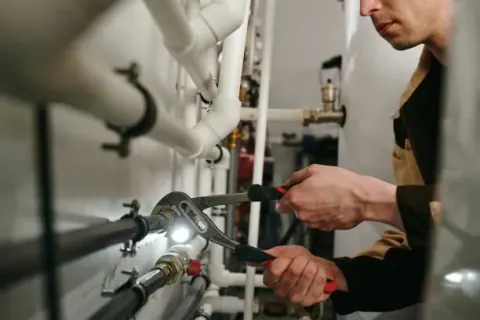
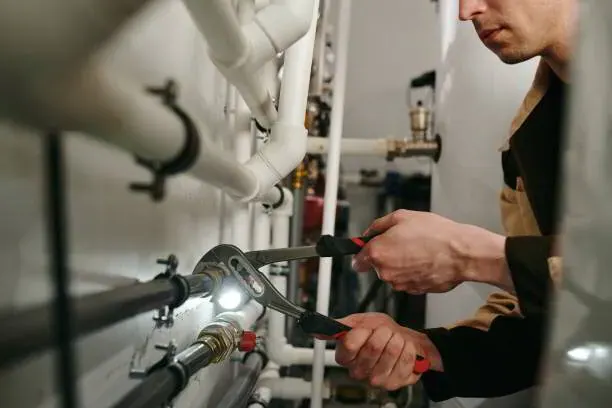
A plumbing problem at home is an inconvenience. At a restaurant, office, shop or apartment building, it can mean closed doors, unhappy tenants and lost revenue by the hour. That is why commercial plumbing in Tampa, FL deserves its own plan, built around how your building is used, who depends on it and how quickly you need to recover when something goes wrong.
This guide is written for owners, operators and property managers. It covers the systems that cause the most trouble in commercial buildings, the habits that prevent emergencies and the questions worth asking before you trust a plumber with your property.
Why Commercial Plumbing Is a Different Job
Tampa businesses put sustained demand on kitchens, restrooms, equipment and building drains. A restroom in a busy store may see more flushes in a day than a family bathroom sees in a month. A restaurant kitchen sends grease, food solids and hot water down its drains through every service. A multi-unit building ties dozens of households to one main line.
That volume changes the math. Small weaknesses that might take years to show up at home surface quickly, and a single failure can affect everyone in the building. Commercial work also has to fit around operating hours, health inspections, tenants and customers, so scheduling and communication matter as much as the repair itself.
Different businesses, different weak points
- Restaurants: grease-laden kitchen drains, floor drains, dishwashers and high hot water demand
- Offices: restrooms, break room sinks and aging valves that see heavy weekday use
- Retail: customer restrooms and the few fixtures that must work every open hour
- Multi-unit buildings: shared main lines, stacked drains and water heaters serving many households
Knowing which category your property fits helps you decide where maintenance attention pays off first.
The Systems That Fail Most Often
Across restaurants, offices, retail and multi-unit properties, the same handful of problems account for most service calls:
- Slow and backed-up drains, especially kitchen lines carrying grease and floor drains collecting debris
- Repeat restroom problems: running or clogged toilets, worn flush valves and leaking faucets that get heavy daily use
- Water heaters struggling to keep up with dishwashing, cleaning or many tenants at once
- Equipment connections at dishwashers, ice machines, beverage stations and appliances that loosen or wear
- Main sewer line issues such as root intrusion, sagging sections or buildup that affect the whole building
When the same drain clogs again and again, the fix is rarely another quick snaking. A sewer camera inspection shows whether buildup, roots or a damaged section is the real cause, and hydro jetting can clear grease-coated lines more thoroughly than a cable alone. For kitchen-specific advice, see our article on commercial drain cleaning in Tampa.
Five Ways to Reduce Plumbing Downtime
- Know your shutoffs. Label the main water valve and the isolation valves for kitchens, restrooms and water heaters, and make sure every shift manager knows where they are.
- Keep a simple log. Record each clog, leak and repair with the date and location. Patterns in that log tell a plumber far more than a single visit can.
- Train staff on drains. Scrape plates before washing, keep grease out of sinks and stock restrooms with the right paper and disposal bins.
- Schedule service in slow hours. Planned work during closed or quiet periods costs your business much less than an emergency during the lunch rush.
- Act on early warnings. Gurgling fixtures, sewer odors, slow floor drains and water heater rumbling usually come before a failure, not after it.
Post the plumber's 24/7 number, (941) 541-7473, next to the main shutoff along with a one-line note on how to close it. In an emergency, the person on shift should not have to search for either.
What to Ask Before Hiring a Commercial Plumber
Commercial work deserves the same scrutiny you would give any vendor with access to your building. Before you hire, ask:
- Are you licensed, bonded and insured in Florida, and what is your license number?
- Do you offer emergency service around the clock, and how do I reach you after hours?
- Will you diagnose the cause before recommending replacement, and what tools do you use to do that?
- Will I get an upfront price to approve before work begins?
- Can you work around our operating hours, tenants or health inspection schedule?
Redemption Plumbing Services is licensed under Florida license CFC1431820, bonded and insured, veteran-owned and led by Brett Remmelsberger, a licensed master plumber with more than 30 years in the trade. We serve restaurants, offices, retail spaces, multi-unit buildings and property managers, with free phone estimates and prices approved before work starts.
Pay attention to how a plumber communicates, too. On a commercial job you want a clear explanation of what was found, what was fixed, what still needs watching and when the work will affect your operation. A short written summary after each visit makes your maintenance log far more useful.
Planning Maintenance Instead of Reacting
The most cost-effective commercial plumbing is the kind you schedule. A periodic walk-through of restrooms, kitchen lines, water heaters and exposed piping catches wear before it becomes a shutdown. For buildings with a history of drain or sewer trouble, routine camera checks and cleaning on a set schedule turn surprise backups into planned visits.
If you manage more than one property, our commercial maintenance checklist is a useful starting template even though it was written with Bradenton buildings in mind. Larger projects, such as line replacement or water heater upgrades, can be scoped in advance, and financing is available for qualifying jobs. To talk through your Tampa property, visit our commercial plumbing services page or call us directly.