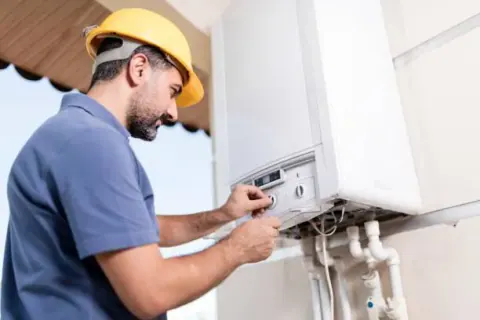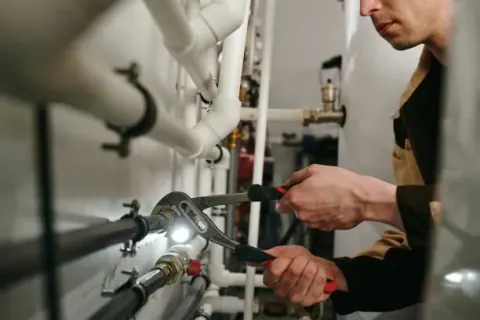

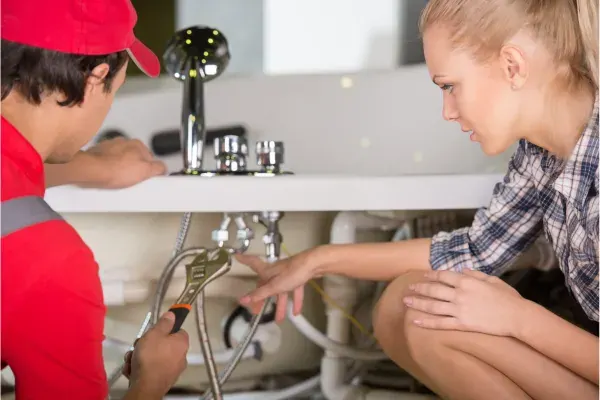
National green-home checklists are a decent start, but they were not written for a house in Bradenton, Lakewood Ranch or Venice. Eco-friendly plumbing in Manatee and Sarasota has to account for very hard water, long dry stretches followed by a soaking rainy season, and a large number of homes that sit empty for part of the year.
This guide focuses on those local realities. Instead of a generic list of gadgets, it looks at where water and energy are actually lost in Suncoast homes and which changes hold up in our conditions.
Start With the Local Problem: Hard Water
Water across much of this area carries a heavy load of calcium and magnesium. That matters for green plumbing in two ways. First, scale builds inside water heaters, which makes them work harder and use more energy to deliver the same hot water. Second, scale clogs the tiny passages in aerators and showerheads, which is the most common reason people give up on water-saving fixtures.
The fix is not to avoid efficient fixtures, but to plan for maintenance. Choose aerators and showerheads that unscrew easily for cleaning, and soak them in vinegar every few months. Flushing a tank water heater on a regular schedule keeps sediment from insulating the water away from the heat source. Our article on how hard water shortens water heater life explains that process in more detail.
If your low-flow showerhead suddenly feels weak, it is probably scale, not the design. Unscrew it, soak it in white vinegar overnight, rinse and reinstall before deciding it does not work.
Leaks Are the Biggest Green Win
Before buying anything new, make sure the plumbing you already have is not wasting water. A toilet flapper that seeps, a dripping outdoor spigot or a pinhole leak under a slab can waste more water over a year than any fixture upgrade will save.
- Put a few drops of food coloring in the toilet tank and wait without flushing. Color in the bowl means the flapper leaks.
- With every fixture off, watch your water meter for movement. A turning dial points to a hidden leak.
- Check hose bibs and irrigation connections, which often drip unnoticed behind shrubs.
- Listen for running water near walls or floors when the house is quiet.
If the meter moves and you cannot find the source, professional leak detection can locate it without tearing open walls or floors on a guess. Slab-on-grade construction is common here, so a hidden leak may be under the floor rather than behind a wall.
Older homes deserve a closer look. Supply lines, shutoff valves and toilet parts that have spent decades in hard water tend to fail slowly, with seeps and drips rather than dramatic bursts. A quick walk-through each season catches most of these before they waste much water or damage cabinets and flooring.
Upgrades That Fit Suncoast Homes
WaterSense toilets and fixtures
Fixtures carrying the EPA WaterSense label are tested to use less water while still performing well. Swapping an old toilet is often the single biggest indoor water saver. Pair it with a quality wax ring and proper installation so the savings are not lost to a slow leak at the base.
Efficient water heating
Heating water is one of the largest energy uses in most homes. Tankless water heaters avoid keeping a full tank hot around the clock, and heat pump water heaters draw warmth from the surrounding air, which suits our warm climate when the unit has enough space and airflow. Redemption Plumbing services, repairs and installs both tank and tankless water heaters from all major brands; see our water heater services for options.
Pipe insulation
Insulating accessible hot water lines in a garage or attic helps hot water arrive sooner, so less cold water runs down the drain while you wait.
Seasonal Homes and Vacation Rentals
Many properties in both counties sit empty for weeks or months at a time. A quiet house can still waste water and energy if it is not shut down well.
- Turn off the main water supply before leaving, or at least the supply to the water heater and washing machine.
- Set the water heater to vacation mode or turn it down so you are not heating water nobody uses.
- Ask a neighbor or manager to run each fixture briefly every few weeks so traps stay full and sewer gas stays out.
- On return, open the main slowly and check under sinks and around the water heater for drips before settling in.
If you rent the property to guests, a short note near the kitchen sink and in each bathroom about what not to flush or pour down the drain prevents a lot of avoidable clogs, and clogs often lead to wasted water from repeated flushing and overflow cleanup.
Outdoor Water and the Dry Season
Lawn and landscape watering usually accounts for a large share of a Florida home's water use, especially in the dry months before summer rains arrive. Check current local watering rules, fix broken irrigation heads promptly, and consider a rain barrel for garden beds. A rain sensor on an irrigation timer stops the system from running during a summer downpour.
Getting Help With a Greener Home
Eco-friendly plumbing works best as a series of small, well-installed changes rather than one big project. If you are not sure where to start, call Redemption Plumbing at (941) 541-7473 for a free phone estimate. We can talk through leaks, fixture upgrades and water heater options for your home and give you upfront pricing before any work begins.