If you live in Bradenton, you have seen the evidence: white crust on showerheads, spots on dishes and a ring in the toilet bowl that keeps coming back. What you do not see is the same mineral buildup happening inside your pipes. Over years, hard water pipe damage in Bradenton homes can mean lower pressure, noisy plumbing, failing fixtures and, eventually, leaks.
This guide explains how hard water affects different kinds of pipe, the signs that damage is building, and the range of solutions from simple maintenance to targeted repair.
How Hard Water Attacks Plumbing
Hard water carries dissolved calcium and magnesium. When it is heated or when it sits and evaporates, those minerals come out of solution and stick to surfaces as scale. Inside pipes, scale builds in layers, especially at joints, elbows and anywhere flow slows down.
The effect depends on the pipe material:
- Older galvanized steel is the most vulnerable. Scale and rust build together on the inside wall until the opening becomes very narrow.
- Copper resists scale better, but mineral deposits can contribute to pitting in some conditions, which may lead to pinhole leaks over time.
- Plastic supply lines such as PEX and CPVC do not corrode, though scale can still collect at fittings, valves and fixtures.
- Drain lines collect scale too, which gives grease and soap a rough surface to cling to and contributes to repeat clogs.
Fixtures and appliances connected to the pipes suffer along with them. Faucet cartridges stiffen, toilet fill valves stick, and dishwasher and washing machine valves can clog with scale. Often these small failures are the first visible clue that the plumbing behind the walls is carrying the same buildup.
Warning Signs of Hard Water Pipe Damage
Pipe problems from hard water develop slowly. Watch for patterns rather than a single event:
- Water pressure that has dropped gradually, especially on hot water lines.
- Fixtures that need aerators cleaned or cartridges replaced more often than they used to.
- Banging, rattling or whistling pipes as flow is restricted.
- Discolored or rusty water, particularly in homes with older metal pipe.
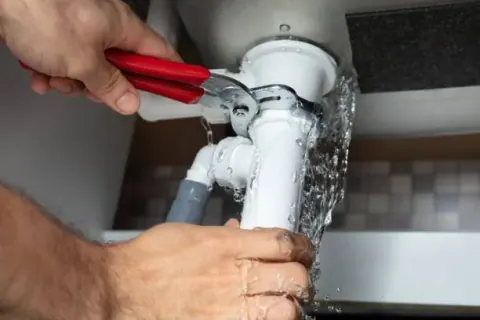
- Small leaks at fittings or a pinhole leak in a copper line.
- Drains that clog repeatedly in the same spot despite good habits.
A single symptom does not prove the pipes are failing, but several together are a good reason for an inspection.
Compare pressure at the hot and cold sides of the same faucet. If the hot side is noticeably weaker, scale in the hot water lines or water heater outlet is a likely cause, since heat speeds up mineral buildup.
Solutions, From Simple to Substantial
Routine maintenance
The first line of defense is regular care: cleaning aerators and showerheads, flushing the water heater, and replacing worn cartridges before they fail. These steps do not remove scale already inside the pipe walls, but they keep fixtures and appliances working and slow the damage. Water heaters are hit especially hard; our article on how hard water shortens water heater life in Bradenton goes into detail.
Water treatment
Whole-home treatment addresses the cause. Traditional ion-exchange softeners remove hardness minerals, while salt-free conditioners change how minerals behave so they are less likely to stick. Each has trade-offs in maintenance, cost and results, so research options carefully and consult a water treatment specialist about what fits your household.
Drain line cleaning
For drains narrowed by scale and grease, hydro jetting can scour pipe walls back toward their original diameter, which a standard snake cannot do.
Targeted repair or replacement
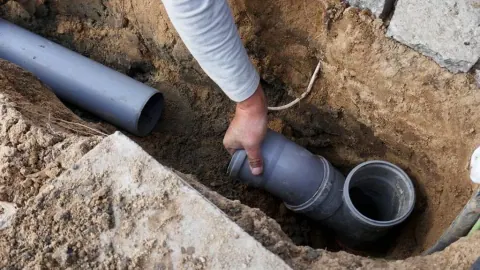
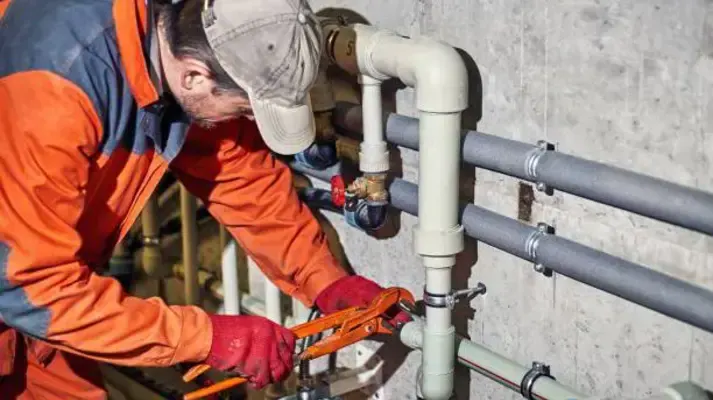
When supply pipes are badly restricted or leaking, cleaning is not enough. A plumber can assess whether spot repairs will hold or whether a larger section, or the whole system, should be replaced. Our pipe repair and replacement service covers both. For pipes under a slab or yard, trenchless methods may reduce the need for digging.
Repair or Replace? Questions to Ask
- What is the pipe material, and roughly how old is it?
- Is the problem in one area or showing up throughout the house?
- How many leaks or pressure problems have there been in recent years?
- Are you planning other work, such as a remodel, that would make replacement easier now?
If leaks keep appearing in different places, a hidden leak may be part of the picture. Professional leak detection can locate it before replacement decisions are made.
A plumber's assessment should explain what was found, which options make sense, and the trade-offs between them. With older galvanized pipe, for example, spot repairs can be a short-term fix because the same buildup usually affects the whole system. With newer pipe, a single problem fitting may be the only issue.
Protecting Your Bradenton Plumbing
Hard water is a fact of life here, but serious pipe damage does not have to be. Regular maintenance, an annual inspection and acting on warning signs early make a real difference. The Redemption Family Plan includes an annual plumbing inspection, priority scheduling and discounts on repairs for $175 per year.
To talk about pressure problems, repeat leaks or aging pipes, call Redemption Plumbing at (941) 541-7473. We offer free phone estimates, explain the price before work starts, and offer financing on qualifying larger jobs such as a repipe.
If you are buying an older Bradenton home, ask about the pipe material and any history of leaks before closing. Knowing whether the house has galvanized, copper or plastic supply lines helps you plan and budget for the years ahead.