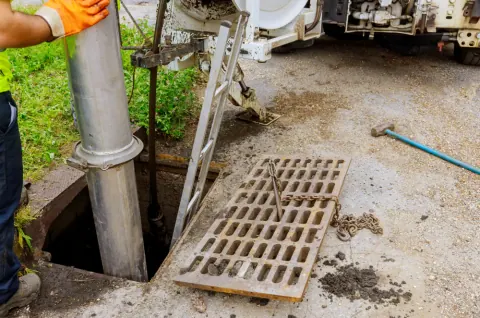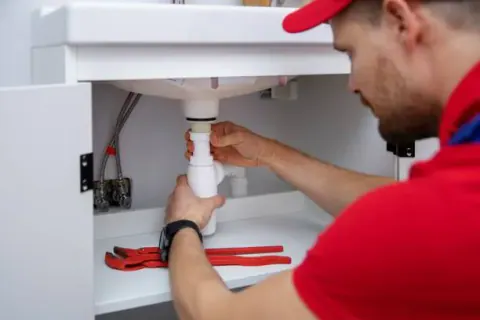

Almost every clog we clear started months earlier as a thin coating: soap film in a tub line, grease in a kitchen pipe, a few strands of hair caught on a stopper. Regular drain cleaning is simply the habit of removing that coating before it becomes a blockage. The work is not glamorous, but it is far cheaper than an emergency call on a holiday weekend.
Rather than one long list of dos and don'ts, this guide organizes prevention into a calendar. Some tasks take thirty seconds a week; others happen once a year. Put them on your phone and most clogs will never get a chance to form.
Why Buildup Happens Faster in Gulf Coast Homes
Drains collect whatever passes through them, but local conditions speed things up. Many Gulf Coast communities have mineral-rich water, and that scale gives grease and soap something rough to cling to. Homes are used hard year-round, guest bathrooms in seasonal homes sit idle for months and then get heavy use, and older cast iron drain lines develop rough interior surfaces as they age. Our article on why Florida drains clog more often goes deeper into the local causes.
The takeaway is simple: a schedule that might be overkill elsewhere is about right here.
Weekly Habits (Five Minutes Total)
- Pull visible hair from shower and tub strainers after the last shower of the week.
- Wipe the kitchen sink strainer basket into the trash rather than rinsing debris down.
- Run hot tap water for a minute after washing greasy dishes, then follow with a squirt of dish soap and more hot water.
- Flush every toilet and run every sink in rarely used bathrooms so traps stay full and residue does not dry and harden.
- Run the garbage disposal with plenty of cold water and let it run a few seconds after the grinding stops.
Keep a small can with a lid under the kitchen sink for cooking grease. Once it is full and solid, toss it in the trash. Grease poured down the drain is the single most common cause of kitchen line clogs we see.
Monthly Regular Drain Cleaning Tasks
Once a month, go a little further. These steps clear the soft buildup that weekly habits miss.
- Remove bathroom sink pop-up stoppers and clean the hair and slime off the rod. Most lift out or release with a single nut under the sink.
- Flush tub and shower drains with a kettle of hot water (not boiling if you have PVC or older plastic traps) followed by a few minutes of running hot water.
- Clean the garbage disposal splash guard and grind a handful of ice cubes to knock residue off the chamber.
- Check the washing machine drain hose and standpipe area for lint and slow drainage.
- Look at outdoor cleanouts and yard drains for debris after heavy rain.
Skip harsh chemical drain cleaners for routine maintenance. They can heat up inside pipes, damage older traps and finishes, and they rarely remove more than a channel through a clog. A plastic barbed drain strip or a simple enzyme product used as directed is gentler for small jobs.
Seasonal and Yearly Checks
A few times a year, think about the system as a whole rather than one sink at a time.
- Before hurricane season, make sure outdoor drains, cleanout caps and any sump discharge lines are clear and secure.
- Before leaving a seasonal home, run water in every fixture, then ask a neighbor or manager to do the same periodically.
- After the holidays or a big gathering, watch the kitchen sink and main drain for slowing; heavy cooking puts more fat into the line than usual.
- Once a year, note any drain that has needed attention more than twice. That is a sign of a deeper issue.
When Professional Cleaning Belongs on the Calendar
DIY maintenance keeps the first few feet of each drain clean. It does not reach the branch lines inside walls or the main line under the slab. That is where professional drain cleaning earns its place.
For most homes, a professional cleaning makes sense when the same drain slows down repeatedly, when more than one fixture is sluggish at once, or when you hear gurgling from a toilet as a tub drains. Homes with large trees near the sewer lateral, older cast iron, or a history of kitchen-line backups may benefit from scheduled cleaning rather than waiting for symptoms. Our drain cleaning services cover cabling for simple obstructions and hydro jetting for grease, scale and root fragments that a cable only punches through.
When a clog returns soon after clearing, we recommend a camera look before repeating the same fix. Seeing the inside of the line shows whether the issue is buildup, a belly in the pipe, roots or a break, and that changes the right plan.
Signs Your Calendar Is Not Enough
- Water rising in the tub when you flush a toilet.
- Sewage odor that returns within days of cleaning.
- Several fixtures slowing at the same time.
- A clog that comes back within weeks of being cleared.
These point beyond the trap and toward the main line. If you are weighing whether to tackle a stubborn drain yourself, our DIY vs. professional guide can help you decide. If you want a plumber to look, call Redemption Plumbing at (941) 541-7473 for a free phone estimate with upfront pricing approved before any work starts. Family Plan members also get an annual plumbing inspection, a convenient time to ask about slow drains.