
Most slow drains start small: a sink that takes a little longer to empty, a shower that leaves you standing in an inch of water. Plenty of those can be handled with basic tools and a bit of patience. The trick to deciding between drain cleaning DIY vs professional service is knowing where the safe home fixes end and where you start risking your pipes, your fixtures or your floors.
This guide is organized as a ladder. Start at the bottom with the gentlest methods, move up only if needed, and stop climbing as soon as you see any of the warning signs listed further down.
Step One: Figure Out What Kind of Clog You Have
Before grabbing a tool, take a minute to read the symptoms. A clog that affects one fixture is almost always local to that fixture's drain or trap. A problem that shows up in several places at once, such as a toilet gurgling when the washer drains, points farther down the system.
- Bathroom sink or tub draining slowly: usually hair and soap near the stopper or trap.
- Kitchen sink slow after cooking: usually grease and food residue.
- Toilet won't flush but other drains work: usually a blockage in the toilet trap.
- Several drains slow, or water rising in a tub when a toilet is flushed: likely a main line issue, which is not a DIY job.
DIY Methods Worth Trying
For a single-fixture clog, these methods are low risk when used correctly. Work through them roughly in this order.
Clean the stopper and strainer
Pop-up stoppers in bathroom sinks and tub drains collect a surprising mat of hair. Removing and wiping them clears many slow drains on its own. A cheap plastic barbed drain strip can pull out hair that sits just below the stopper.
Use the right plunger
A flat cup plunger is for sinks and tubs; a flanged plunger seals better in a toilet. Cover the overflow hole on a sink or tub with a wet rag so the pressure goes toward the clog instead of out the top. Use steady, firm strokes rather than one hard shove.
Hot water and dish soap for kitchen grease
A squirt of dish soap followed by very hot tap water can soften a fresh grease plug. Avoid pouring boiling water into a toilet bowl or onto plastic drain fittings you are unsure about.
A small hand auger
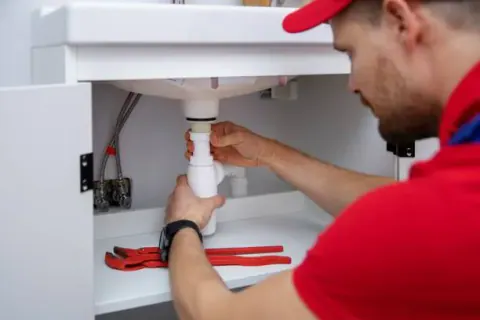
A short hand-crank snake can reach a trap or the first few feet of a sink drain. Feed it gently, and if you feel it binding hard, stop. Forcing a cable can scratch porcelain or push a clog tighter.
Baking soda and vinegar make an impressive fizz, but they rarely clear a real blockage. They are fine as a gentle freshener for a drain that already flows. Do not expect them to dissolve hair mats or hardened grease.
DIY Methods to Skip
Some popular fixes cause more trouble than they solve. These are the ones plumbers most often wish homeowners had avoided:
- Caustic chemical drain cleaners. They generate heat, can soften older plastic fittings and corrode metal pipe, and they sit in the line if they fail to clear the clog. That makes the next repair hazardous for whoever opens the drain.
- Mixing different drain products, which can create dangerous fumes.
- Renting a large powered drum machine without training. A main line cable can kink, whip or get stuck.
- Removing a toilet or opening a main cleanout when the line is full of water. You can flood the room in seconds.
Warning Signs It's Time for a Professional
Stop the DIY effort and call a licensed plumber when you see any of the following. These usually mean the problem is deeper than a trap or that something besides debris is going on.
- More than one fixture is slow or backing up at the same time.
- Sewage odor that returns even after cleaning the fixture.
- Gurgling in a toilet or tub when another fixture drains.
- The same drain clogs again within weeks of clearing it.
- Water backs up into a floor drain, shower or tub from somewhere else in the house.
- You already used a chemical cleaner and the drain is still holding water.
That last one matters for safety. Tell the plumber exactly what product you used so they can protect their skin and eyes before opening the line.
What a Professional Visit Adds
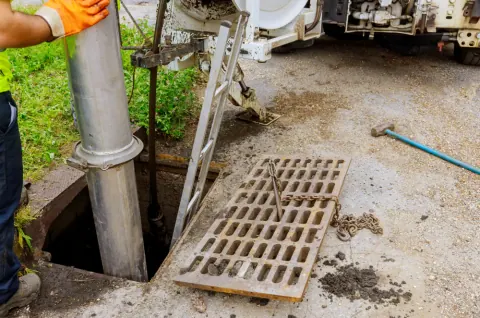
The difference between home tools and professional drain cleaning is reach and information. A plumber can run a properly sized cable down the main line, use hydro jetting to scour grease and scale off pipe walls, and run a camera to see why a line keeps clogging. Knowing the cause, whether it is roots, a sag in the pipe or plain grease, tells you whether one cleaning will hold or whether a repair is needed.
A good visit also ends with practical advice for your home. In Bradenton, hard water scale and heavy kitchen use are frequent contributors, and our article on preventing clogged drains in Florida covers the habits that keep lines open longer.
A Simple Decision Rule
If it is one fixture, first time, and a plunger or stopper cleaning fixes it, you handled it well. If it is several fixtures, keeps coming back, smells like sewage or involved chemicals, call Redemption Plumbing at (941) 541-7473. We give free phone estimates and explain the price before work starts, so you can make the call without guessing at cost.
It also helps to think about cost honestly. A plunger and a hand auger are inexpensive and reusable, but a damaged trap, a cracked toilet or a flooded cabinet costs far more than the service call you were trying to avoid. Knowing when to stop is the real savings.