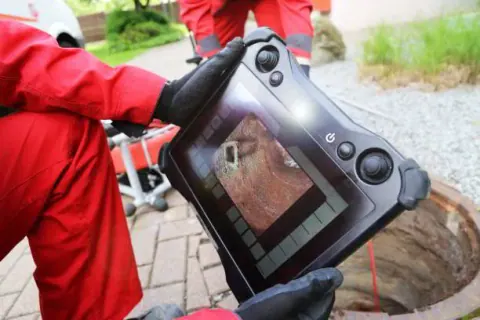
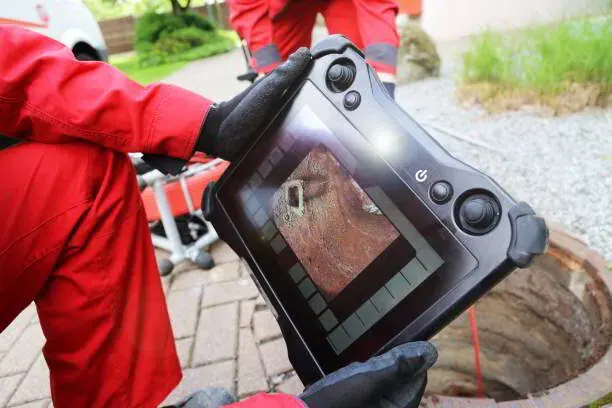
When a drain keeps clogging, several fixtures slow down at once or you are about to buy a house, the most useful question is simple: what does the inside of the pipe actually look like? A video inspection for plumbing diagnosis answers that directly. Instead of guessing from symptoms, a plumber sends a camera through the line and shows you the condition of the pipe, foot by foot.
This guide walks through the whole process from the homeowner's side: when an inspection makes sense, what happens during the visit, what the common findings mean and how to turn the footage into a sound decision.
When a Video Inspection Is Worth Requesting
Not every slow sink needs a camera, and a camera does not replace drain cleaning. A single clogged bathroom drain with an obvious cause can simply be cleared. A camera earns its place when the symptoms suggest something deeper or when you need facts before spending money:
- The same drain clogs repeatedly, even after professional clearing
- Several fixtures are slow at once, or a toilet gurgles when the washer drains
- Sewage odors appear indoors or in the yard with no obvious source
- Water backs up into a tub or shower when a toilet is flushed
- You are buying a home, especially one with mature trees near the sewer line
- A repair has been recommended and you want to see the problem before approving it
- You are considering trenchless repair, which requires knowing the pipe's condition
For buyers, our article on camera inspections before buying a Bradenton home covers what to ask the seller and the inspector.
What Happens During the Inspection
- Finding an access point. The camera usually enters through a sewer cleanout. If none is accessible, a toilet may be pulled or a roof vent used, depending on the line being inspected.
- Running the camera. The plumber feeds the cable slowly, watching for changes in the pipe wall, joints, water level and direction. A counter tracks the distance from the entry point.
- Locating findings. When something important appears, a locator above ground picks up the signal from the camera head so the plumber can mark its position and approximate depth.
- Reviewing results. You see the footage, hear what each finding means and discuss options before any repair is scheduled.
If the line is completely blocked, the camera may not get far. In that case the plumber often clears enough of the clog to restore flow, then runs the camera to see what caused it.
Reading the Footage: Common Findings Explained
Camera images take some getting used to. These are the terms you are most likely to hear:
- Root intrusion: fine or thick roots entering through joints or cracks. Common where mature landscaping sits near the line.
- Belly or sag: a low section that holds standing water and collects waste. It shows as water that does not drain from the camera's view.
- Offset joint: two sections no longer line up, creating a lip that catches debris.
- Cracks and fractures: lines or breaks in the pipe wall that may let in roots, soil or groundwater.
- Scale and buildup: rough, narrowed walls from grease, minerals or corrosion, often seen in older metal pipe.
- Collapse: a section that has caved in, which usually blocks the camera completely.
Severity matters as much as type. A few fine roots at one joint is a maintenance issue; a crushed section is a repair. Ask the plumber to describe each finding in plain words and show you where it is on the property.
It also helps to note where along the line each finding sits. A problem a few feet from the house may be under a slab or patio, while one near the street may sit under a driveway or in the right-of-way. That location shapes both the repair method and the restoration involved.
Bradenton Conditions That Show Up on Camera
Bradenton properties combine slab construction, mature landscaping, hard water and year-round use. On camera, that often translates to roots at joints in yard lines, scale and buildup in older drain piping, and drains that run beneath the slab where symptoms are hard to trace from above. A camera is one of the few ways to see under-slab drain lines without breaking concrete.
Context is not a diagnosis, though. Two homes on the same street can have very different pipes depending on age, material and past repairs, which is why the footage, not the neighborhood, should decide the scope.
Turning Findings Into the Right Repair
Once the condition is clear, the options become clear too. Buildup and light roots often respond to cleaning, and hydro jetting can scour the pipe wall more thoroughly than a snake. A localized break may be a candidate for a spot repair. Longer damaged runs may be suited to lining or bursting, while a collapsed section or severe sag may still need excavation.
A follow-up camera run after cleaning or repair is a smart way to confirm the work. For a broader look at the equipment used in modern diagnosis, see the technology behind plumbing inspections.
What a Camera Cannot Tell You
A camera shows the inside surface of a drain or sewer pipe. It does not find pressurized supply leaks, which need different leak detection methods, and it cannot always reveal what is happening on the outside of a pipe. It also cannot predict exactly how long a pipe will last. Treat the footage as strong evidence, combined with symptoms and history, rather than a guarantee.
To schedule a camera inspection or talk through recurring drain trouble, call Redemption Plumbing at (941) 541-7473 for a free phone estimate, or learn more about our sewer camera inspection service. Pricing is upfront and approved before work starts.