Not long ago, finding a broken pipe underground or behind a wall often meant educated guessing followed by a shovel or a saw. Today a plumber can look inside a drain, pinpoint where it runs, listen for a pressurized leak and, in many cases, repair the pipe without excavating it. Understanding the technology behind plumbing inspections and repair helps you ask better questions and judge whether a recommendation is backed by evidence.
Here is a tour of the main tools, grouped by the job they do: seeing, locating, listening, cleaning and repairing. For each, we explain what it is good at and where its limits are, because no tool is a substitute for a trained person interpreting the results.
Seeing Inside Pipes: Sewer and Drain Cameras
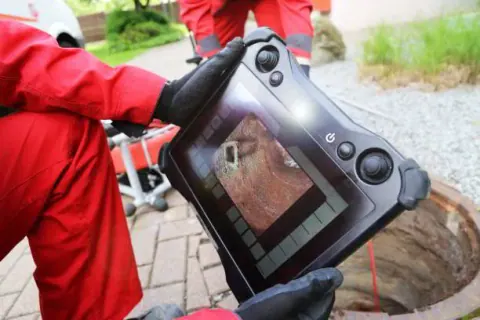
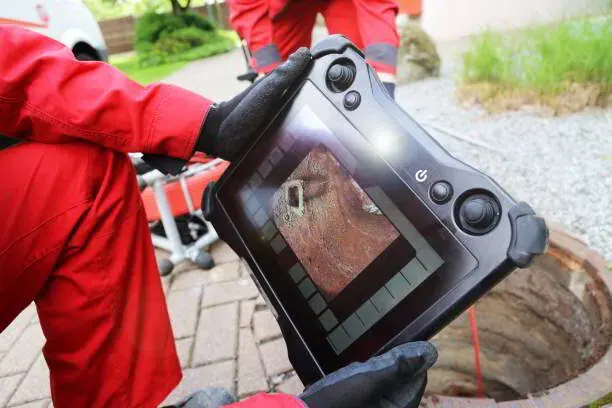
A sewer camera is a waterproof camera head on a flexible push cable, usually with built-in lights and a screen or recorder at the other end. It travels through a cleanout or drain opening and shows the inside of the pipe in real time. Plumbers use it to identify root intrusion, cracks, separated joints, offsets, sags that hold water and heavy buildup.
Camera footage turns a guess into a decision. It can show whether a repeat clog is a simple blockage or a damaged section, and it gives you a record you can see for yourself. For a deeper dive into the process, read our guide to video inspection for plumbing diagnosis.
Locating Pipes and Problems From Above
Seeing a problem inside a pipe is only half the answer; you also need to know where it is from the surface. Many camera heads include a small transmitter called a sonde. A handheld locator above ground picks up its signal, letting the plumber mark both the position and approximate depth of the camera head on the lawn, driveway or floor.
That mark is what makes targeted repairs possible. Instead of digging a long trench to find a problem, a crew can open a small area right where it is, or decide that a trenchless method fits better.
Listening and Testing: Leak Detection Equipment
Pressurized supply leaks are found differently from drain problems. Common methods in the industry include:
- Meter and pressure tests that confirm water is escaping and help isolate which part of the system is losing it
- Acoustic listening devices that amplify the sound of water escaping a pressurized pipe through concrete, soil or a wall
- Thermal imaging that can reveal temperature differences where a hot water line is leaking under a floor or inside a wall
- Fixture isolation, a low-tech but essential step of shutting off sections to see when the loss stops
Our team uses meter checks, fixture isolation and professional leak detection equipment to narrow a leak's location before opening finished surfaces. The goal is proportionate access: a small opening where the evidence points rather than exploratory demolition.
Technology narrows the search, but conditions matter. Background noise, deep pipes and certain flooring can make a leak harder to pinpoint. A good plumber explains how confident the finding is before recommending where to open.
Cleaning With Water Pressure: Hydro Jetting
A drain snake punches a hole through a clog. Hydro jetting uses a high-pressure hose and specialized nozzle to scour the inside wall of a pipe, flushing out grease, scale, sludge and fine roots. It is especially useful for kitchen lines and main drains that clog repeatedly.
Jetting works best when the pipe is structurally sound, which is why a camera inspection often comes first. Running high pressure through a badly cracked or collapsed pipe is not the right move. See our hydro jetting service for when it fits.
Repairing Without Digging: Trenchless Methods
Trenchless repair replaces long trenches with small access points. The two main approaches are:
- Pipe lining: a resin-saturated liner is placed inside the damaged pipe and cured in place, forming a new pipe within the old one.
- Pipe bursting: a bursting head is pulled through the old pipe, breaking it outward while drawing a new pipe into its place.
Both depend on accurate inspection beforehand. Severe sags, collapsed sections or the wrong pipe size can rule out a trenchless option, and in those cases traditional excavation is still the right answer. Our trenchless pipe repair page explains how we decide.
What Technology Cannot Do on Its Own
Every tool here produces evidence, not a verdict. A camera shows a crack but not always how much longer the pipe will last. An acoustic reading points to an area but can be fooled by noise. Good diagnosis combines tool results with the home's history, the symptom pattern and the plumber's experience.
It is also worth knowing that the tools work best together. A typical sequence for a stubborn drain might be a camera run to see the problem, a locator to mark it, hydro jetting to clean the line and a second camera run to confirm the result or check whether the pipe is a trenchless candidate. For a supply leak, the order is usually a meter test, fixture isolation, then listening or thermal tools to narrow the area before a small, targeted opening. When a plumber can explain why each step comes next, you can trust that the technology is serving the diagnosis rather than padding the bill.
Redemption Plumbing is led by Brett Remmelsberger, a licensed master plumber with more than 30 years in the trade, and we use sewer cameras, leak detection equipment and hydro jetting to back our recommendations with evidence. Call (941) 541-7473 for a free phone estimate, and you will get an upfront price to approve before any work begins.