Going green at home does not require ripping out every pipe. The most useful eco-friendly plumbing upgrades are usually small, targeted changes made in the right order: stop waste first, then swap the fixtures you use most, then tackle the larger systems when they are due for replacement anyway.
Below is a room-by-room plan for a Florida house, with each upgrade tagged by effort level. Use it as a checklist you can work through over a few months or a few years.
Before You Upgrade: A Five-Minute Waste Check
New fixtures cannot make up for water leaking out of old ones. Before buying anything, spend a few minutes on a quick audit:
- Read the water meter, avoid using water for an hour, and read it again. Any change suggests a leak.
- Drop food coloring into each toilet tank and check the bowl after fifteen minutes.
- Look under every sink with a flashlight for drips, stains or swollen cabinet floors.
- Check the area around the water heater for rust, puddles or a dripping relief valve line.
Anything you find goes to the top of the list. If the meter moves but you cannot see why, our leak detection and repair team can trace it.
Bathroom Upgrades
Bathrooms typically use more indoor water than any other room, which makes them the best place to start.
Quick wins
- Add WaterSense-labeled faucet aerators. They screw onto most existing faucets.
- Replace an old showerhead with an efficient model that still delivers a satisfying spray.
- Replace a worn toilet flapper so the tank stops refilling on its own.
Bigger project
Replace older, high-volume toilets with efficient single- or dual-flush models. A properly set toilet with a fresh seal saves water every day for years. Our toilet repair and installation page explains what a good installation includes.
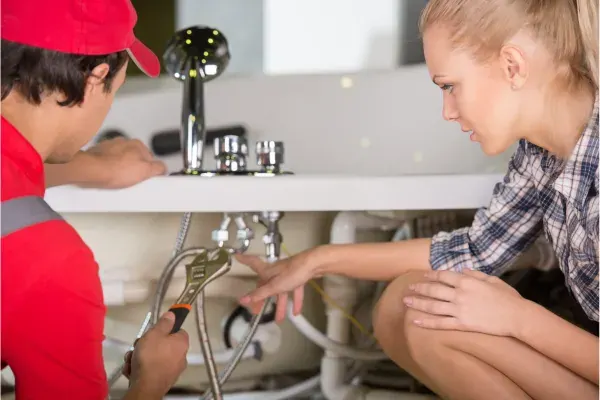
Do not overlook the shower valve itself. Older valves that drip from the spout after the handle is off waste water around the clock, and a cartridge replacement is often all it takes. Fix drips first, then upgrade the showerhead, so each change does its job.
Kitchen and Laundry Upgrades
The kitchen sink sees short bursts of use all day, while the laundry area holds two big water users: the washing machine and, often, the water heater.
- Fit the kitchen faucet with an aerator or choose a new faucet with a pause or low-flow spray setting.
- Run the dishwasher only when full; modern units typically use less water than hand washing a full load.
- Replace cracked or bulging washing machine hoses with braided stainless steel hoses to reduce burst risk.
- Consider a leak-sensing shutoff valve on the washer supply, especially in a second-floor laundry.
Smart leak detectors are inexpensive water sensors that sound an alarm or send a phone alert when they get wet. Place them under the water heater, the kitchen sink and the washing machine first. They do not save water day to day, but they shrink the damage from a sudden failure.
Whole-House Systems
These upgrades take more planning, so they make the most sense when the existing equipment is near the end of its life.
Water heater
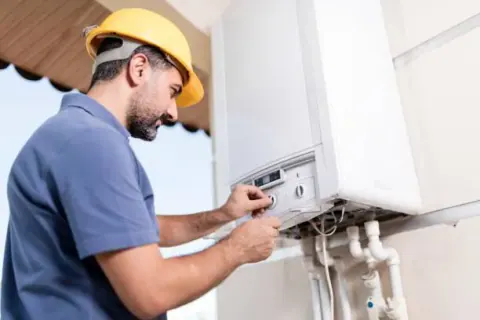
When a tank heater is due for replacement, it is the right moment to compare efficient options. Tankless units heat water only on demand, while heat pump models pull heat from the surrounding air and suit warm garages. Each has trade-offs in installation, space and how it handles hard water. Our article comparing tankless and traditional water heaters breaks those down.
Hot water delivery
If you wait a long time for hot water at a far bathroom, insulating accessible hot lines helps. In some homes a recirculation setup can cut the wait further; it is worth discussing with a plumber whether your layout suits one.
Pipe replacement
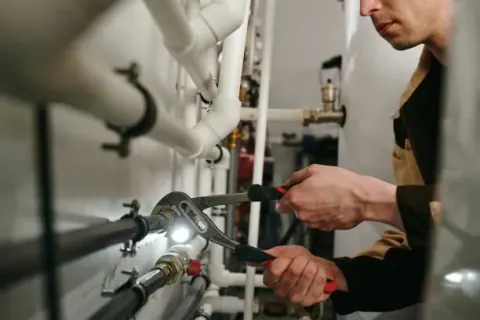
Corroded or leak-prone supply lines waste water through small, repeated leaks. If you are already planning a repipe, modern materials such as PEX can be a durable choice. Ask your plumber which material fits your home.
Outdoor Water: Rain and Greywater
In Florida, a large share of household water goes to lawns and landscaping. Two options get a lot of attention:
- Rain barrels. Connected to a downspout, they capture roof runoff for watering beds and potted plants. Keep them covered to discourage mosquitoes.
- Greywater reuse. Some systems route lightly used water from showers or laundry to irrigation. These are regulated, need careful design to avoid health issues, and should be researched with local authorities before any work starts.
- Smarter irrigation. Rain sensors and properly adjusted spray heads often deliver the biggest outdoor savings with the least complexity.
Putting Your Plan Into Action
Pick two quick wins this month, plan one bigger project for the year, and keep the whole-house items in mind for when equipment needs replacing anyway. That pace keeps costs manageable and makes each upgrade count.
When you are ready for help with fixtures, leaks or a water heater, call Redemption Plumbing at (941) 541-7473. We offer free phone estimates, explain the price before work starts, and offer financing on qualifying larger jobs such as a water heater replacement or repipe.
Keep a simple record as you go: what you changed, when, and the water bill before and after. Seeing the effect on paper makes it easier to decide what to tackle next, and it is useful information to hand a buyer if you ever sell the home. Watch for maintenance too, since aerators and efficient showerheads in hard water need occasional cleaning to keep performing well.