
Most green plumbing advice starts with a shopping list. This one starts with habits. The way a household uses and maintains its plumbing often matters as much as the hardware, and eco-friendly plumbing practices cost little or nothing to adopt.
Think of it as green flow: water used on purpose, drains kept healthy without harsh chemicals, and small problems fixed before they turn into wasteful ones. The sections below cover daily routines, drain care, seasonal maintenance and how to get the whole household involved.
Daily Habits That Add Up
Individually, these feel minor. Practiced every day by everyone in the house, they make a real difference to both water and energy use.
- Turn the tap off while brushing teeth, shaving or scrubbing dishes.
- Keep a pitcher of drinking water in the fridge instead of running the tap until it turns cold.
- Catch the cold water that runs while a shower warms up and use it for plants or pets.
- Run the dishwasher and washing machine only with full loads.
- Use cold water for laundry when the fabric allows; heating water is a major household energy use.
- Scrape plates into the trash or compost rather than rinsing everything down the disposal.
Showers deserve special attention. Shortening a shower by a couple of minutes saves both the water and the energy used to heat it. A simple shower timer or a favorite song can help family members keep track without feeling like they are being policed.
Drain Care Without Harsh Chemicals
Caustic drain cleaners are hard on pipes and on the wider environment once they leave your home. A greener approach focuses on keeping clogs from forming.
- Keep fats out of the sink. Pour cooled cooking grease into a can or jar and throw it away. Wipe greasy pans before washing.
- Use strainers in every tub, shower and kitchen sink, and empty them into the trash.
- Flush only toilet paper. Wipes, even ones labeled flushable, do not break down the way paper does.
- Consider enzyme-based drain maintenance products for routine care. They work slowly on organic buildup and are gentler than caustic cleaners, though they will not clear an existing hard clog.
- When a drain does clog, start with a plunger or hand auger rather than chemicals.
If a line keeps clogging despite good habits, the cause may be deeper in the system. Our guide to drain cleaning DIY vs. professional help explains where home methods stop being effective.
Septic owners have extra reason to skip harsh chemicals. Bleach and caustic cleaners in large amounts can upset the bacteria that break down waste in the tank. Moderate use of household cleaners is normal, but avoid pouring strong chemicals down the drain.
These habits also protect the wider community. Grease and harsh chemicals that leave your home end up in the sewer or septic system, where they contribute to blockages and treatment problems well beyond your own pipes.
Monthly and Seasonal Maintenance
Maintenance is where green practice and saving money overlap most clearly. A plumbing system that is kept in good shape wastes less water and uses less energy.
Monthly
- Glance under sinks for drips or damp cabinet floors.
- Listen for toilets that refill on their own between flushes.
- Check outdoor spigots and irrigation heads for leaks or broken spray patterns.
Every few months
- Unscrew and clean faucet aerators and showerheads, especially in hard water areas.
- Test the water heater's temperature setting; many households are comfortable at a moderate setting that wastes less energy.
- Read your water meter before and after a quiet period to catch hidden leaks.
Yearly
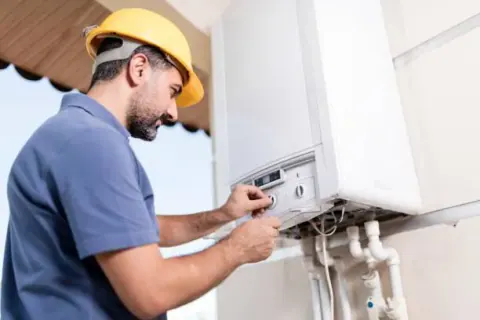
- Flush sediment from a tank water heater so it heats efficiently.
- Have the whole system inspected. The Redemption Family Plan includes an annual plumbing inspection for $175 per year, along with priority scheduling and discounts on repairs.
Our water heater maintenance guide walks through flushing and other upkeep step by step.
Fix Small Leaks Right Away
A drip feels harmless, but it runs every hour of every day. The greenest practice of all is treating small leaks as urgent. A worn faucet cartridge, a toilet flapper or a loose supply connection is usually a modest repair, and fixing it immediately stops the waste. Larger or hidden leaks, such as one inside a wall or under a slab, call for professional leak detection services to find the source without unnecessary demolition.
Outdoors, the same rule applies. A leaking hose bib or broken irrigation head can run unseen behind plants for weeks. Walk the yard while the irrigation system runs once a month to spot geysers, puddles and heads spraying the driveway instead of the lawn.
Getting the Whole Household on Board
Practices only work if people follow them. A few ideas that help:
- Put a small grease jar next to the stove so the right habit is the easy habit.
- Show kids how to check for a running toilet and make it a game to spot drips.
- Leave a short note for guests in a vacation rental about what not to flush.
Revisit the habits occasionally. Routines slip over time, especially when schedules change or new people move in, and a quick reminder keeps green practices from fading.
When to Bring in a Plumber
Good habits handle most of the everyday side of green plumbing. For leaks you cannot find, recurring clogs, a struggling water heater or questions about upgrades, call Redemption Plumbing at (941) 541-7473. We provide free phone estimates and upfront pricing, so you know the cost of a fix before we start.