When people hear green plumbing, they usually picture a low-flow showerhead. That is part of it, but the larger opportunity is efficiency across the whole system. The most effective green plumbing solutions reduce the energy it takes to heat water, keep pressure in a healthy range, and make sure water gets where it is going without leaking or lingering along the way.
This article looks at plumbing as a system and covers five efficiency areas: hot water generation, hot water delivery, water pressure, pipe condition and monitoring. For each, you will find what to look for and when an upgrade is worth it.
1. Hot Water Generation: The Biggest Energy Lever
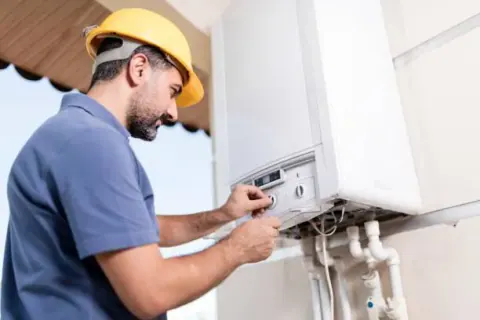
Heating water is typically one of the largest energy loads in a house, so the water heater is the first place to look for efficiency.
- Keep the tank clean. Sediment and scale settle at the bottom of a tank and act like insulation between the heat source and the water. Regular flushing restores efficiency, which matters in hard water areas like Manatee County.
- Check the temperature setting. A moderate setting meets most household needs and reduces standby heat loss.
- Match the unit to the household. An oversized tank keeps more water hot than you use; an undersized one runs constantly.
- Consider the technology at replacement time. Tankless units heat only on demand, and heat pump water heaters move heat from the air instead of generating it directly.
Our guide to choosing the right water heater goes deeper on sizing and type.
2. Hot Water Delivery: Stop Paying to Heat Water Twice
Every time you wait for hot water at a far faucet, water that was already heated cools in the pipes, and cold water runs down the drain until hot arrives. That is wasted water and wasted energy.
Insulate hot water lines
Foam pipe sleeves on accessible hot lines in a garage, attic or crawlspace keep water warmer between uses. It is a simple, inexpensive step.
Consider recirculation
A recirculation system moves water from the far end of the hot line back toward the heater so hot water arrives faster. Demand-activated versions run only when you press a button or a sensor detects use, which avoids pumping hot water around the clock. Whether one suits your home depends on the layout and the distance between the heater and your bathrooms.
Fixture placement also plays a role. In a remodel, locating a new bathroom closer to the water heater, or adding a small point-of-use heater for a distant sink, can be more efficient than running a long hot water line across the house.
3. Water Pressure: Too High Is Wasteful
Strong pressure feels good in the shower, but excessively high pressure pushes more water through every fixture, strains supply lines and valves, and can shorten the life of water heaters, washing machines and dishwashers.
A pressure-reducing valve, where one is installed, keeps incoming pressure in a sensible range. These valves wear out over time. If you notice banging pipes, dripping relief valves or fixtures that suddenly spray harder than before, have the pressure checked.
An inexpensive gauge that screws onto an outdoor hose bib lets you check your home's water pressure in seconds. If the reading looks unusually high or swings a lot, mention it to your plumber.
Pressure that is too low is a different problem, often pointing to scale, a partially closed valve or a hidden leak. Either extreme is worth investigating rather than living with.
4. Pipe Condition: Efficiency Lost to Leaks and Scale
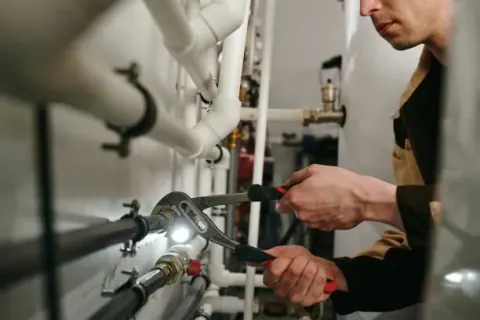
Old or corroded pipes lose efficiency in two ways. Pinhole leaks waste water directly, sometimes inside walls or under a slab where nobody sees them. Scale and corrosion also narrow the inside of supply lines, so pressure drops at fixtures and appliances run longer to fill.
If your home has frequent small leaks, discolored water or noticeably weak flow, a pipe repair and replacement assessment can show whether spot repairs or a larger replacement makes more sense. Where pipes run under a slab or yard, trenchless repair methods can sometimes restore a line with far less digging.
Drain lines matter for efficiency too. Partially clogged drains lead to repeated flushing, longer appliance cycles and occasional overflows that waste water and cause damage. Keeping drains clear is part of an efficient system, not just a convenience.
5. Monitoring and Smart Controls
Efficiency is easier to keep when you can see what is happening. A few tools help:
- Water leak sensors placed near the water heater, under sinks and behind the washer.
- Automatic shutoff valves that close the main supply when a leak is detected.
- Whole-home water monitors that track usage and flag unusual flow, such as a toilet running all night.
- Water heater controls with vacation or scheduling modes, useful for seasonal residents.
Even without smart devices, a habit of reading your water meter monthly gives you a baseline. A sudden jump in usage with no change in routine is worth investigating.
Where to Start
If you are unsure which area matters most in your home, start with the cheapest checks: flush the water heater, test the pressure, read the meter for leaks, and insulate the hot lines you can reach. Those steps often reveal where the real inefficiency lies.
For anything beyond that, Redemption Plumbing can help you weigh the options. Call (941) 541-7473 for a free phone estimate. We explain the scope and price before work starts, and financing is available for qualifying larger projects such as a water heater replacement or repipe.