
When one drain is slow, it is usually a local clog. When the whole house starts acting up, the main line is the likely culprit. Main sewer line problems in North Port tend to follow a pattern shaped by the city's large lots, established landscaping and heavy summer rains, and recognizing that pattern early can keep a nuisance from becoming a backup into your tub.
This guide covers the first question every North Port owner should answer, the most common causes of main line trouble, the warning signs and the repair options that fit each one.
First: Is Your Home on Sewer or Septic?
North Port has a mix of homes connected to a central sewer system and homes that still use septic tanks. The symptoms can look similar, a slow toilet or gurgling drain, but the fix is very different. A septic tank that needs pumping will not be helped by cleaning the line to the street, and vice versa.
Check your property records or utility bill for a sewer charge, look for a septic lid or riser in the yard, or ask us when you call. If you are on septic, our article on signs a septic system is failing is the better starting point.
What Causes Main Sewer Line Problems in North Port
North Port lots are often larger than in older coastal neighborhoods, which can mean a long run of pipe between the house and the connection point. More pipe means more joints, and more joints mean more places for trouble to start.
- Root intrusion: oaks, palms and hedges planted over or near the line send fine roots into joints looking for moisture, then grow into dense mats.
- Sags or bellies: shifting sandy soil and heavy wet-season saturation can let a section settle, so water and solids collect in the low spot.
- Grease and scale: kitchen grease combined with hard water deposits narrows the pipe over time.
- Offset joints: ground movement can push pipe sections out of alignment, creating a lip that catches debris.
- Storm-season stress: saturated ground and high water tables put extra load on lines that are already marginal.
Warning Signs of a Main Line Problem
Because the main line carries everything leaving the house, its symptoms show up in more than one place:
- Several fixtures drain slowly at the same time, often starting with the lowest ones.
- Toilets gurgle or bubble when the washing machine or a tub drains.
- Water backs up into a shower or tub when a toilet is flushed.
- A sewage odor appears indoors or near an outdoor cleanout.
- A section of lawn over the line stays soggy, sinks or grows noticeably greener.
If water comes up in a tub or shower when you flush, stop using water in the house right away. Every gallon you send down has nowhere to go but back up through the lowest drain.
Seasonal patterns can be a clue. Lines that run fine through the dry months and then act up during summer rain may be dealing with saturated ground, a cracked section letting groundwater in, or a belly that fills when the soil shifts. Note when your symptoms started and whether they track the weather; that history helps narrow the cause before the camera goes in.
How the Problem Is Diagnosed
The right repair depends on seeing the actual pipe. After restoring flow, a sewer camera inspection lets the plumber see roots, sags, cracks or offsets, measure how far from the cleanout they are and mark the location on the ground. On a long North Port run, that location detail is especially valuable because it avoids exploratory digging.
The footage also shows the pipe material and its general condition, which tells you whether you are looking at a cleaning job, a spot repair or a longer replacement. Our sewer camera inspection service provides that evidence before any major work is proposed.
Repair Options That Match the Cause
Cleaning and root cutting
Grease, scale and light root intrusion can often be cleared by high-pressure hydro jetting, which scours the full pipe wall rather than just punching a hole through the blockage.
Spot repair
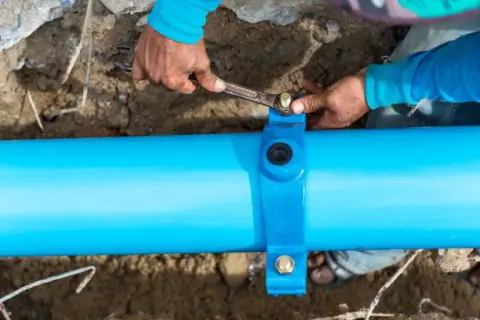
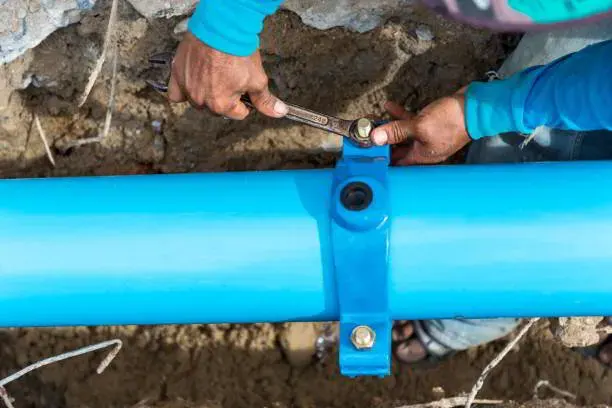
A single cracked section or separated joint can be excavated and replaced locally once its exact location is known.
Trenchless repair
For damaged sections under driveways, mature trees or landscaping, pipe lining or pipe bursting can rebuild or replace the line with minimal digging, as long as the camera confirms the pipe is a good candidate. Our trenchless pipe repair page explains how both methods work.
Full replacement
A line with multiple sags, widespread damage or a failed older material may be better replaced outright, so you are not paying for repeated access to the same run.
Ask for a written explanation of the finding and the proposed scope, including how the work will be tested when it is done. For a long run, also ask whether other sections of the line looked sound on camera, so you know whether you are fixing the only weak point or the first of several.
Preventing Repeat Sewer Trouble
Keep grease and wipes out of drains, avoid planting trees directly over the line, and make sure your cleanout cap is intact so storm water and debris stay out. If roots have been cleared once, a follow-up camera check helps you decide when maintenance cleaning makes sense.
Call Redemption Plumbing at (941) 541-7473 for a free phone estimate. Our main sewer line team explains the findings and the price before any work starts, and financing is available for qualifying larger repairs.