
Every home's wastewater leaves through one pipe: the main sewer line running from the house to the city connection. When it is healthy, you never think about it. When it is damaged, symptoms show up in the bathrooms, the yard and sometimes the walls. Learning the signs your sewer line needs repair helps you tell a routine clog from a pipe that has cracked, sagged or been invaded by roots, and that distinction decides whether you need a drain cleaning or a repair.
This guide walks through the symptoms from mild to severe, explains how to sort a clog from a structural problem, and covers your options once the cause is confirmed.
First, Is It a Clog or the Main Line?
Start with a simple question: how many fixtures are affected? A single slow sink or one clogged toilet is usually a problem in that fixture's branch line. When several fixtures act up together, especially those on the lowest level, the main line is the more likely source.
- Flush a toilet and watch the tub or shower. Rising water there points to the main line.
- Run the washing machine and listen for gurgling in nearby toilets or drains.
- Check the outdoor cleanout, if you have one. Standing water in it means a blockage farther downstream.
Signs Your Sewer Line Needs Repair Inside the Home
- Backups that return. If the main line has been cleared and backs up again within weeks or months, something in the pipe is catching debris or letting roots in.
- Gurgling toilets and drains. Air trapped by a partial blockage or a sagging section escapes through the nearest fixture.
- Sewer odor indoors. A cracked line under the slab can release sewer gas through gaps in the floor or walls.
- Slow drains throughout the house. Multiple sluggish fixtures suggest a restriction in the shared line.
- Unexplained damp spots or musty smells near floors. Leaking wastewater beneath the slab can wick upward.
Signs in the Yard and Around the Foundation
- A strip or patch of grass that is greener and faster-growing than the rest of the lawn.
- Soggy soil or puddles along the line's path when it has not rained.
- Sinkholes, depressions or sunken areas above the pipe route.
- Sewage odor outdoors near the cleanout or along the line.
- Cracks in a driveway or walkway that crosses the sewer path.
Pests can be a clue too. Rodents and insects such as palmetto bugs are drawn to openings in broken sewer pipe and can travel through them.
If you notice a sewer smell, slow drains and a soggy yard spot at the same time, cut back water use and call a plumber soon. Together they strongly suggest wastewater is escaping from the line, not just pooling behind a clog.
Homes on septic have a version of this problem too. The line between the house and the tank can crack, sag or fill with roots just like a city sewer lateral, and the symptoms look almost identical. If your home is on septic and the tank was pumped recently, but drains are still slow, the line feeding the tank is a good place to look.
What Usually Damages Sewer Lines
- Tree roots entering through joints and small cracks, then expanding.
- Corrosion and scale inside older cast iron pipe.
- Ground settlement creating low spots, or bellies, where solids collect.
- Joint separation from shifting soil or nearby construction.
- Grease buildup that hardens over years.
- Damage from heavy vehicles or excavation above the line.
How the Cause Is Confirmed
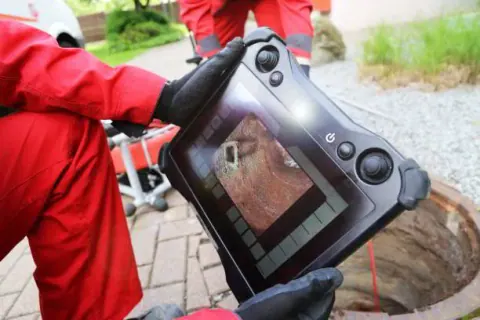
Guessing gets expensive. The most reliable way to know what is happening is a sewer camera inspection. A camera travels through the line and shows roots, cracks, bellies and breaks, along with their exact depth and location. That evidence keeps the repair proportionate: a small root intrusion may only need hydro jetting and monitoring, while a collapsed section needs repair.
Our article on how sewer camera inspections save money explains why the inspection often pays for itself by preventing unnecessary digging.
Your Repair Options
Once the problem is confirmed, the right method depends on the pipe's condition and location:
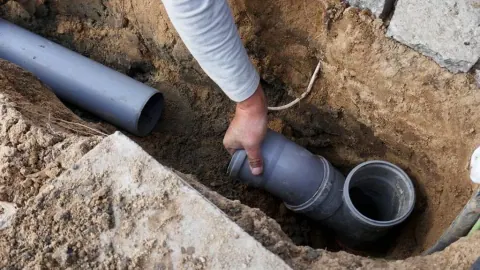
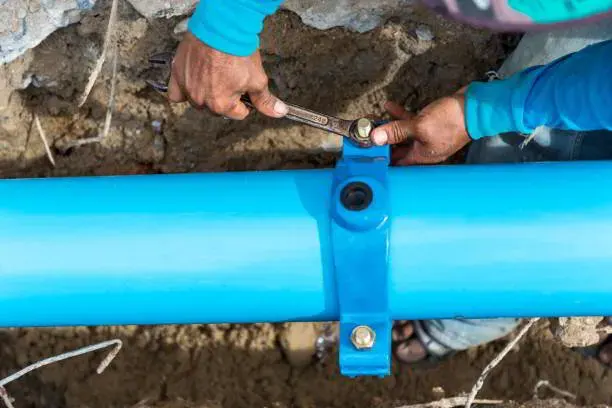
- Spot repair: replacing one damaged section through a small excavation.
- Trenchless pipe lining: installing a new pipe inside the old one through existing access points.
- Pipe bursting: pulling new pipe through the old path while breaking the old pipe outward.
- Conventional replacement: excavating and replacing the line when trenchless methods are not suitable.
Trenchless options can save driveways, landscaping and slab floors. For a full comparison, read trenchless sewer repair vs. traditional digging.
Timing matters as well. A cracked line that leaks into the soil can wash out the bedding around the pipe, which makes sagging and further breaks more likely. Scheduling repair once the damage is confirmed, rather than clearing the same backup again and again, usually keeps the eventual project smaller.
Getting Help
Redemption Plumbing diagnoses and repairs main sewer lines throughout Manatee, Sarasota and Pinellas counties. We show you what the camera found, explain the options and give upfront pricing you approve before work begins. Financing is available for qualifying larger repairs. Call (941) 541-7473 for a free phone estimate, or any time for a sewage backup.