
Closing day hands you a set of keys and a plumbing system you know almost nothing about. A home inspection is a helpful snapshot, but it rarely tells you where every valve is, how old the water heater really is or what the previous owner patched. This Manatee County new homeowner plumbing guide gives you a practical checklist for the first month in your new place.
Whether you bought a 1960s ranch in west Bradenton, a condo near the water or a newer home out east toward Lakewood Ranch or Parrish, the steps are the same. Only the findings will differ.
Week 1: Learn Where Everything Is
Before anything goes wrong, find and label the parts of the system you will need in a hurry:
- Main water shutoff: usually on an exterior wall facing the street or in the garage. Test that it turns and tag it.
- Water meter: typically in a box near the street. Note its location for leak testing later.
- Fixture shutoffs: under every sink, behind every toilet, at the washer and on the water heater inlet.
- Sewer cleanout: a capped pipe in the yard or near the foundation, which plumbers use to clear and inspect the main line.
- Septic lid or riser, if the home is on septic, along with any records the seller left.
- Irrigation controller and valves, which can be a hidden source of high water bills.
If you are not sure how to close the main in an emergency, read our guide on turning off your water fast and practice once.
Week 2: Sewer or Septic, and What Condition?
Manatee County has a mix of homes on central sewer and homes on private septic systems. Check your utility bill for a sewer charge or look for a septic tank lid in the yard. The answer changes how you care for every drain in the house.
If you are on septic and the seller could not tell you when it was last pumped, schedule an inspection. If you are on sewer and the home is older, or has large trees near the line, a sewer camera inspection sets a baseline. Our article on what camera inspections reveal in older Bradenton homes explains what to expect.
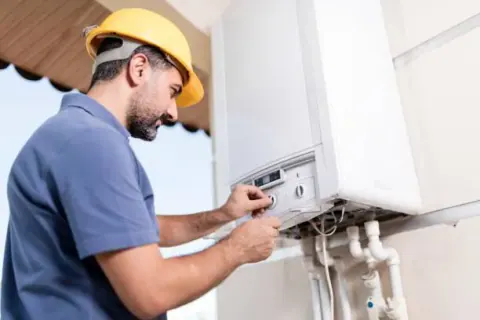
Week 3: Check the Water Heater
The water heater's age is printed in its serial number, often encoded as a month and year; the manufacturer's website usually explains the format. Look at the unit itself, too:
- Rust or moisture at the top connections or around the base
- A drain pan, and a relief valve discharge line that runs to a safe location
- Rumbling or popping noises, a common sign of hard water sediment in the tank
- Hot water that runs out sooner than you expect for your household size
Manatee County's hard water shortens the life of tank heaters that are never flushed. If the heater is older or shows any of these signs, start planning rather than waiting for it to fail. Our water heater service can tell you whether maintenance or replacement makes more sense.
Ask the sellers or your agent for any plumbing receipts or warranties from past work. Even a handwritten note about when the water heater was replaced or the sewer was cleared saves time and guesswork later.
Week 4: Run a Leak and Fixture Check
With everything off, check whether your water meter's leak indicator moves. Add food coloring to each toilet tank to test the flappers. Run every faucet, shower and tub and watch for slow drains, low pressure or drips.
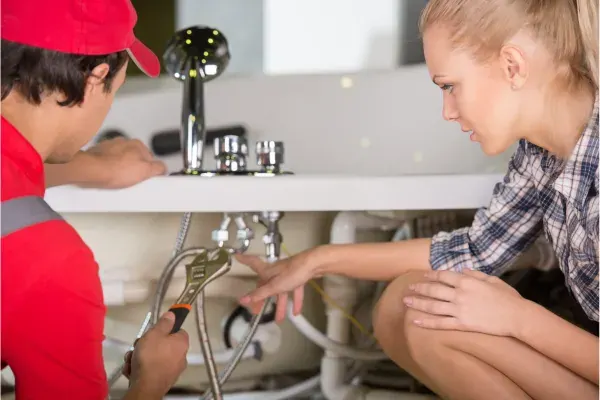
Look under sinks for old rubber supply hoses, corroded valves and signs of past water damage such as stained or swollen cabinet floors. Replacing aging supply lines and seized valves is inexpensive and one of the best early investments in a new home. Our leak prevention guide lists the parts to check.
Last, check outdoors. Turn on each hose bibb and look for drips at the handle, and walk the yard over the sewer or septic area for soggy spots or odors. Run the irrigation system one zone at a time and watch for broken heads or water pooling where it should not. A stuck irrigation valve is one of the most common reasons new owners see a surprisingly high first water bill.
Know What Your Pipes Are Made Of
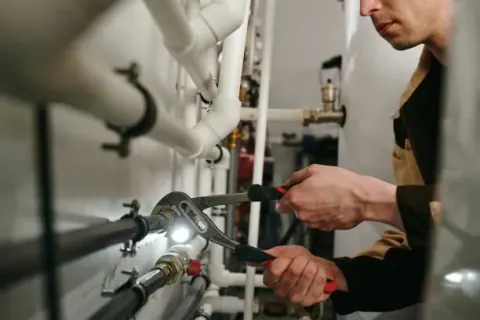
Exposed pipes at the water heater, under sinks and in the garage tell you a lot. Copper, CPVC and PEX are common in our area. Some older homes have galvanized steel or cast iron drains, which corrode from the inside, and a few homes from certain eras have polybutylene, a gray plastic supply pipe known for failing. If you see repeated leaks or discolored water, ask a plumber to evaluate the piping.
If your home has a water softener or filtration system, find its manual, check the salt or filter cartridges and note the service schedule. If your home is on a private well, ask about testing the water and checking the pump and pressure tank.
Set Up a Simple Maintenance Plan
Once the first month is done, a yearly routine keeps small issues from becoming large ones. The Redemption Family Plan is a $175-per-year membership with an annual plumbing inspection, priority scheduling and discounts on repairs, which suits new owners who want a professional look at the system every year.
Redemption Plumbing is a veteran-owned, licensed company based on Florida Blvd in Bradenton. Call (941) 541-7473 for a free phone estimate on any concern you find, and save the number for the 24/7 emergency line.