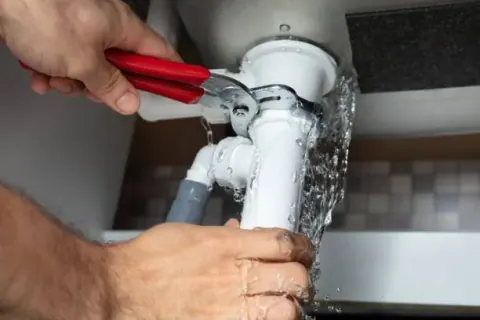
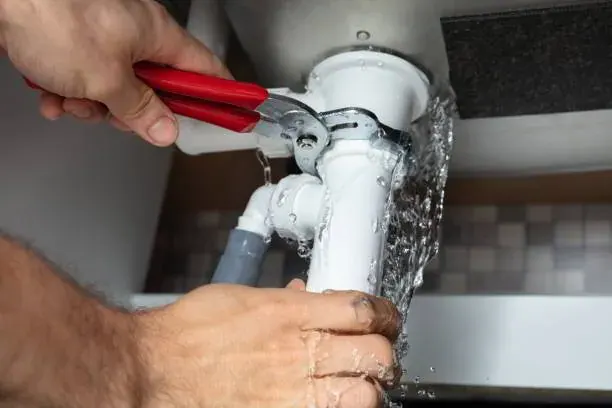
The fastest way to prevent common plumbing leaks is to know where they start. In most homes it is not a mystery pipe deep inside a wall. It is the same short list of parts: toilet flappers, faucet cartridges, supply hoses, shutoff valves, water heater fittings and the occasional outdoor spigot. Each one is inexpensive to check and usually inexpensive to fix early.
Below are the seven most common leak points, what to look for, and the quick action that saves you money. If you suspect water is escaping somewhere you cannot see, our step-by-step guide to telling whether you have a hidden leak is the better place to start.
Why Small Leaks Cost More Than You Think
A dripping faucet or running toilet seems harmless, but it runs every hour of every day. That water shows up on your utility bill, and in the case of a toilet it can be a surprising amount. The bigger expense is damage: a slow drip under a vanity can rot the cabinet floor, stain the subfloor and invite mold long before anyone notices.
Our hard water adds to the problem. Mineral deposits wear down rubber seals and valve seats faster, so parts that might last for many years elsewhere tend to need attention sooner in Southwest Florida homes.
The Seven Most Common Leak Points
1. Toilet flappers and fill valves
A worn flapper lets water seep from the tank into the bowl, so the toilet refills on its own. Put a few drops of food coloring in the tank and wait without flushing. Color in the bowl means the flapper needs replacing. Our article on running toilets covers the other causes.
2. Faucet cartridges and washers
Drips from the spout or water around the handle usually mean a worn cartridge or O-ring. Scale makes these wear faster. Replacing the cartridge early is far cheaper than waiting until the valve body is damaged.
3. Supply lines to sinks and toilets
The flexible hoses under sinks and behind toilets are a leading cause of sudden water damage. Look for bulges, rust at the crimped ends, kinks or plain rubber hoses. Braided stainless lines in good condition are the better choice, and old ones are worth replacing proactively.
4. Shutoff valves
Older multi-turn valves often seize or start weeping at the stem when they are finally turned. Check that each one turns and stops the water. A valve that will not close is a problem waiting for the worst moment.
5. Washing machine hoses
Washer hoses sit under pressure constantly. Inspect them for cracks and bulges, leave a few inches of space behind the machine so they do not kink, and turn the valves off when you leave for an extended trip.
6. Water heater connections and relief valve
Look for rust or moisture at the top connections, at the drain valve and on the floor. Water coming from the relief valve discharge line can signal excess pressure or temperature and deserves a call rather than a guess.
7. Outdoor spigots and irrigation connections
Hose bibbs drip, and irrigation valves can leak underground where you will never see it. A spot of lawn that stays soggy or unusually green is worth a closer look.
Prioritize by risk. A worn flapper wastes water but rarely causes damage, so it can wait for a weekend. A bulging supply hose or a weeping water heater fitting can fail suddenly and flood a room, so those move to the top of the list. Spending a little now on the parts most likely to burst is one of the best returns in home maintenance.
Keep a few basic spares on hand as well: a toilet flapper that matches your model, plumber's tape and a spare braided supply line. A simple fix done the same day often prevents a much larger repair later.
Check Your Water Pressure
Pressure that runs too high strains every fitting, hose and valve in the house. An inexpensive gauge from a hardware store threads onto a hose bibb and gives you a reading in seconds. If the number seems high, or if you hear banging pipes when valves close, have a plumber check whether a pressure-reducing valve is needed or whether an existing one has failed.
Do a five-minute walk-through on the first of every month: look under each sink, behind each toilet, around the water heater base and behind the washer. Use a flashlight and touch the cabinet floor. Dry and firm is good; damp, soft or stained means investigate.
Habits That Keep Leaks From Starting
- Do not store heavy items or cleaning buckets where they press on supply lines under sinks.
- Avoid over-tightening faucet handles; it wears seals faster.
- Use a strainer and keep grease out of drains, since repeated clogs put stress on drain joints.
- Know where your main shutoff is and make sure everyone in the house can reach it.
- Consider an inexpensive water sensor alarm next to the water heater and washer.
When to Bring In a Plumber
Call a professional when a leak is inside a wall or under a floor, when your water bill rises without explanation, when shutoff valves will not close, or when you see repeated leaks in different parts of the house. Repeated failures can point to aging pipe, and our pipe repair and replacement team can tell you whether spot repairs still make sense.
For leaks you cannot see, our leak detection specialists locate the source before opening walls. The Redemption Family Plan ($175 per year) includes an annual plumbing inspection, priority scheduling and repair discounts, a practical way to have these parts checked every year. Call (941) 541-7473 for a free phone estimate.