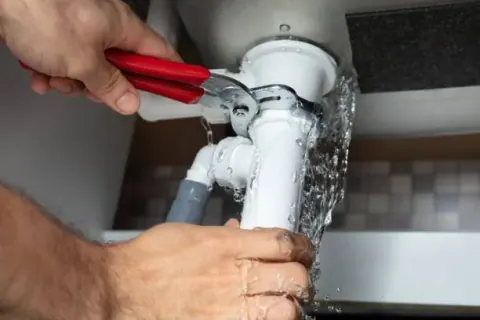
When a camera shows that your main sewer line is cracked, root-filled or collapsing, there are two broad ways to fix it. You can dig a trench along the pipe and replace it, or use trenchless sewer repair, which rebuilds or replaces the pipe from a couple of small access points. Understanding trenchless sewer repair vs traditional digging helps you ask the right questions when you get a recommendation.
This is a general explainer. Neither method is always better. The right choice depends on the condition of the pipe, what sits above it and what the inspection actually shows.
How Traditional Digging Works
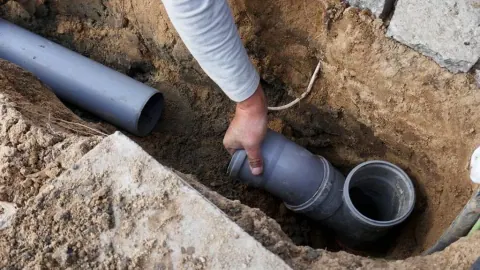
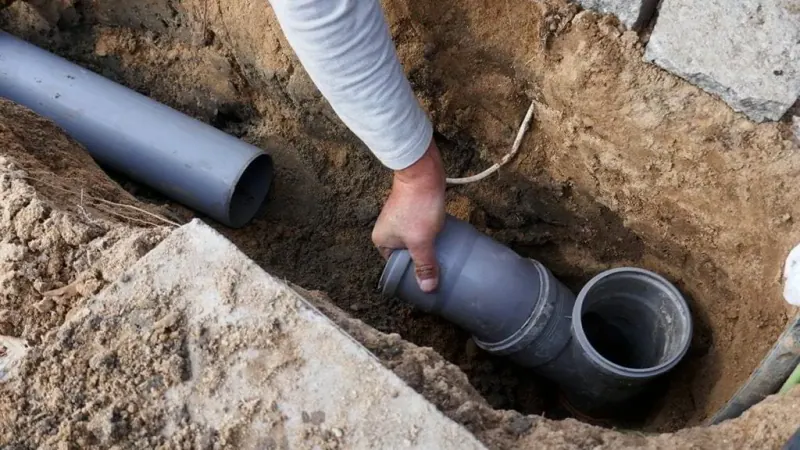
Traditional repair, also called open-trench or excavation repair, means digging down to the damaged pipe, removing it and laying new pipe in its place. For a short damaged section, that might be a single pit. For a full line replacement, it can mean a trench from the house to the connection point.
The method is straightforward and gives the plumber direct access to everything: the pipe, its bedding, its slope and any connections. The downside is disruption. Lawns, landscaping, driveways, walkways and sometimes patios have to be removed and restored, and that restoration can be a substantial part of the project.
How Trenchless Repair Works
Trenchless is an umbrella term for methods that repair or replace a pipe without digging along its full length. We offer the two most common approaches:
Pipe lining
After the line is cleaned, often with hydro jetting, a flexible liner saturated with resin is inserted into the existing pipe and inflated against its walls. Once the resin cures, it forms a new, seamless pipe inside the old one. Pipe lining works well for cracks, small holes, leaking joints and root intrusion, as long as the host pipe still holds its shape.
Pipe bursting
A bursting head is pulled through the old pipe, breaking it apart and pushing the fragments into the surrounding soil while a new pipe is pulled in right behind it. Pipe bursting suits lines that are too damaged to line, or where a full replacement is needed. It typically requires an access pit at each end.
Our trenchless pipe repair page covers how we evaluate a line for either method.
Side-by-Side Comparison
- Disruption: trenchless needs one or two small access points; digging opens the ground along the damaged length.
- Restoration: trenchless usually leaves landscaping and hardscape intact; digging requires restoring whatever was removed.
- Speed: trenchless jobs are often completed faster because there's far less excavation and backfill.
- Fit: lining needs a pipe that still holds its shape; bursting needs suitable soil and access; digging works almost anywhere access is possible.
- Problems it can't fix: lining doesn't correct a badly sagging section (a belly). Digging can regrade the pipe.
What Drives the Cost of Each
We don't publish prices, because the numbers vary too much from one property to the next. These are the factors that matter:
- Length and diameter of the damaged line
- Depth of the pipe and what's on top of it, such as a driveway, mature trees or a pool deck
- Condition of the pipe and whether it can be lined or must be replaced
- Number of connections and bends
- Restoration needed after the work, which is often the hidden cost of digging
Trenchless can carry a higher equipment cost, while digging can carry a higher restoration cost. Comparing the full project, not just the pipe work, is the fair way to decide. We give free phone estimates and upfront pricing, and financing is available for qualifying larger jobs.
Ask to see the camera footage before you approve a sewer repair. A clear view of the defect, its location and its length is the foundation of any honest recommendation, trenchless or not.
When Traditional Digging Is Still the Right Answer
Trenchless isn't a fit for every line. A pipe that has fully collapsed, a section with a significant belly where waste collects, or a line that needs to be rerouted may call for excavation. Sometimes a combination works best, such as digging one bad spot and lining the rest.
Start With a Camera Inspection
Every good sewer decision starts with seeing inside the pipe. A sewer camera inspection shows the type of damage, its exact location and the condition of the rest of the line. From there, our team can explain which repair fits and why. If you're noticing slow drains, gurgling or sewage odors, read signs your sewer line needs repair, then call (941) 541-7473.