
If you want to know how to prevent clogged drains in Florida, start with what actually goes down them. Our homes deal with things a lot of the country does not: beach sand rinsed off feet and towels, mineral-heavy water that leaves scale inside pipes, and year-round use that never gives a drain a rest.
The good news is that most clogs are preventable with a few habits. Here is a room-by-room plan, followed by a simple monthly routine and the signs that tell you prevention is no longer enough. For the reasons behind it, our article on why Florida drains clog more often goes into more detail.
Kitchen Sink: Keep Fats and Starches Out
Kitchen clogs build slowly. Warm grease looks like liquid going down, then cools and coats the pipe walls. Food particles stick to that coating, and over months the opening narrows until the sink drains slowly or stops.
- Pour cooking fat into a can or jar, let it harden and throw it away.
- Wipe greasy pans with a paper towel before washing them.
- Scrape plates into the trash, not the sink, especially rice, pasta, potato peels and coffee grounds.
- Run plenty of cold water while the garbage disposal is grinding and for a few seconds after.
- Never treat the disposal like a trash can. Fibrous scraps such as celery, corn husks and onion skins wrap around the parts and the drain.
If your disposal is struggling, our article on whether to repair or replace a garbage disposal can help you decide.
Bathrooms: Hair, Soap and Sand
Hair binds with soap residue to form the stringy mats that stop up tub and shower drains. In a coastal home, sand settles into that mat and makes it heavier and harder to clear.
- Fit a fine mesh strainer in every tub and shower and empty it after each use.
- Rinse off at an outdoor shower or hose after a beach day, and shake out towels and swimsuits outside.
- Wipe bathroom sinks clear of toothpaste and shaving residue so it does not build on the stopper.
- Only toilet paper goes in the toilet. Wipes marketed as flushable, paper towels and hygiene products do not break down like paper.
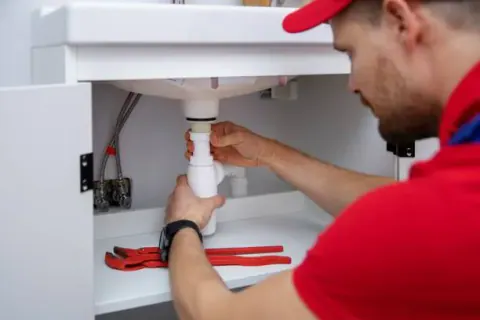
Pull out the pop-up stopper in your bathroom sink every couple of months and clean the hair and gunk off it. It takes two minutes and fixes most slow lavatory drains without any tools.
Laundry and Outdoor Drains
Washing machines discharge a lot of water quickly, along with lint, sand and pet hair. A lint trap or mesh sleeve on the discharge hose catches much of it. If your laundry standpipe ever overflows during the drain cycle, the line is likely partly restricted.
Outside, keep yard debris, mulch and pool-deck sand away from any exposed cleanout or drain. Make sure cleanout caps are present and tight so rainwater and debris cannot enter the sewer line during summer storms.
Hard Water Scale: The Slow Narrowing
Hard water leaves mineral deposits that roughen the inside of pipes, especially older metal drain lines. A rough surface catches grease and debris more easily, so scaled pipes clog more often even when your habits are good.
You cannot scrub scale out with a household product, but you can slow its effects: avoid letting grease and soap pile on top of it, and have stubborn or repeating clogs cleaned properly rather than just poked through. Our page on hard water and pipe damage in Bradenton covers longer-term options.
A Simple Monthly Drain Routine
- Empty and rinse every strainer and stopper in the house.
- Run hot tap water through each sink and tub drain for a minute to move soap film along.
- Run the disposal with cold water and a handful of ice to knock residue off the chamber.
- Listen for gurgling and watch for slow draining in any fixture, and note which ones.
- If you are on a septic system, keep harsh chemicals and heavy grease out entirely, since they disrupt the tank's bacteria.
Skip chemical drain openers. They often only burn a narrow channel through the clog, they can damage older pipes and they make the work hazardous for whoever has to clear the line afterward.
Vacation rentals and homes with frequent guests deserve extra attention. Visitors do not know your house rules, so a short, friendly note in each bathroom about what can be flushed and a strainer in every shower go a long way. Check the drains between stays rather than waiting for a guest to report a slow tub.
Seasonal homes have the opposite problem. When drains sit unused for months, the water in the traps can evaporate and residue inside the pipe dries and hardens. Running water through every fixture when you return, and asking a neighbor to do the same while you are away, keeps traps sealed and lines moving.
When Prevention Is Not Enough
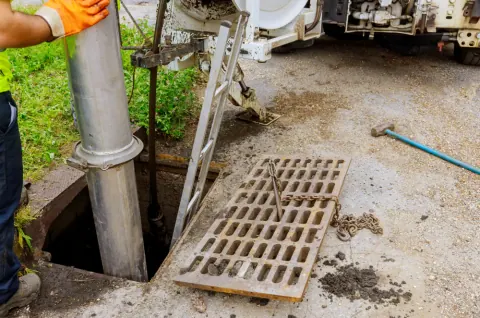
Some clogs are not about habits. If several fixtures slow down at once, a toilet gurgles when the washer drains, or water backs up into a tub, the problem is likely in the main line, often roots, a sag or a damaged section. A plunger will not reach it.
That is the point to call for professional drain cleaning. We clear the blockage, and when a line keeps clogging, we can run a camera to see why before recommending anything bigger. Call (941) 541-7473 for a free phone estimate, and we will approve the price with you before any work starts.