If you are asking how fast does mold grow from a water leak in Bradenton, the honest answer is: faster than most people expect. General guidance from building and restoration professionals is that mold can begin to establish itself on wet materials within roughly 24 to 48 hours, and our year-round warmth and humidity give it every advantage.
That does not mean every wet spot turns into a mold problem. It means the clock starts the moment water reaches drywall, cabinet bases, carpet pad or framing, and the first two days are the window where your choices matter most. This guide walks through that timeline and what to do at each stage.
Why Mold Moves Quickly in Bradenton Homes
Mold needs three things: moisture, a food source and a comfortable temperature. Drywall paper, wood, dust and the backing on carpet all count as food. Our climate supplies the warmth for most of the year, and indoor humidity stays high whenever the air conditioning cycles off or a room is closed up.
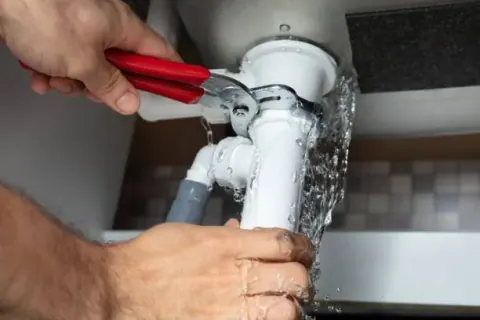
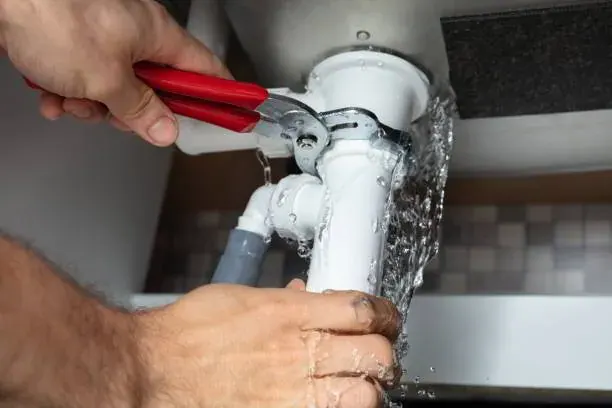
Local construction adds a twist. Many Bradenton homes are built slab-on-grade, so a supply line leaking under or beside the slab can wet flooring and the bottom of walls from below, out of sight. Hard water scale and aging fittings also mean slow seeps at sinks, toilets and water heater connections are common, and a slow seep is exactly the kind of leak that feeds mold for weeks before anyone notices.
A Realistic Timeline After a Leak
Every situation differs with the amount of water, the materials it soaked and how quickly the area dries, but this is a useful general picture:
- First few hours: water spreads along the path of least resistance, wicking up drywall and into cabinet bases and baseboards. This is the best time to stop the source and start drying.
- Roughly one to two days: mold spores already present in the house can begin to germinate on materials that are still wet. You usually cannot see anything yet.
- Several days to a week: visible spotting may appear on drywall paper, the underside of cabinets or carpet backing, often with a musty odor.
- Weeks of ongoing moisture: a hidden, repeating leak can support growth inside wall cavities that spreads well beyond the original wet spot.
Take photos of the wet area and note the time you found it. That record helps your plumber judge how long the leak has been active and helps if you later talk with your insurer.
Signs a Leak Has Already Been Feeding Mold
The leaks that cause the worst mold are rarely the dramatic ones. A burst hose gets noticed right away. A pinhole in a wall or a loose drain fitting under a vanity can run quietly for a long time. Watch for:
- A musty smell that returns in one room or cabinet even after cleaning
- Soft, swollen or stained cabinet floors under sinks
- Baseboards that are darker, cupped or pulling away from the wall
- Paint that bubbles or drywall that feels cool and damp to the touch
- Warm or unusually cool spots on a tile or wood floor
- A water meter that keeps moving when every fixture is off
If several of these show up together, the moisture is probably coming from plumbing rather than humidity alone. Our article on spotting a hidden water leak early covers simple habits that catch these clues sooner.
What to Do in the First 48 Hours
- Stop the water. Close the fixture shutoff under the sink or toilet, or the main valve if you cannot isolate it. Our guide to shutting off water in an emergency shows where to look.
- Make it safe. Keep people away from water near outlets, power strips or appliances, and turn off a breaker only if you can reach the panel without standing in water.
- Remove standing water and wet items. Pull out stored items from under the sink, lift rugs and get towels or a wet vacuum on the floor.
- Start drying. Run the air conditioning, open cabinet doors and use fans or a dehumidifier to move air across damp surfaces.
- Find and fix the cause. Drying without repairing the leak just resets the clock. Call (941) 541-7473 so a licensed plumber can confirm the source.
Why Finding the Source Matters More Than Cleaning
Wiping visible spots or spraying a cleaner can make a cabinet look better, but if a fitting is still weeping, the moisture keeps coming back. The first priority is confirming whether the leak is active and where it is. Our team uses meter checks, fixture isolation and professional leak detection equipment to narrow the location before opening finished surfaces, so access is proportionate to what the evidence shows.
When the cause is a failing pipe section under the slab or inside a wall, the right fix might be a targeted repair, a reroute or repairing or replacing the damaged pipe. After the repair, we test the system so you know the source is resolved, not just the symptom.
If you find visible mold covering a large area, or anyone in the home has breathing problems, consider a mold remediation specialist for cleanup once the plumbing leak is repaired. Plumbing repair stops the water; remediation deals with the growth.
Keeping Future Leaks From Turning Into Mold
Prevention here is mostly about catching moisture early. Look under sinks and behind toilets once a month, check the water heater base, and glance at your water bill for changes that do not match how your household is living. Keep shutoff valves clear and know where the main valve is before you need it.
The Redemption Family Plan is a $175-per-year membership that includes an annual plumbing inspection, priority scheduling and discounts on repairs, which gives you a yearly look at the connections most likely to seep. No plan can promise a home will never leak, but a regular inspection makes it far more likely a small drip is found while it is still small.